
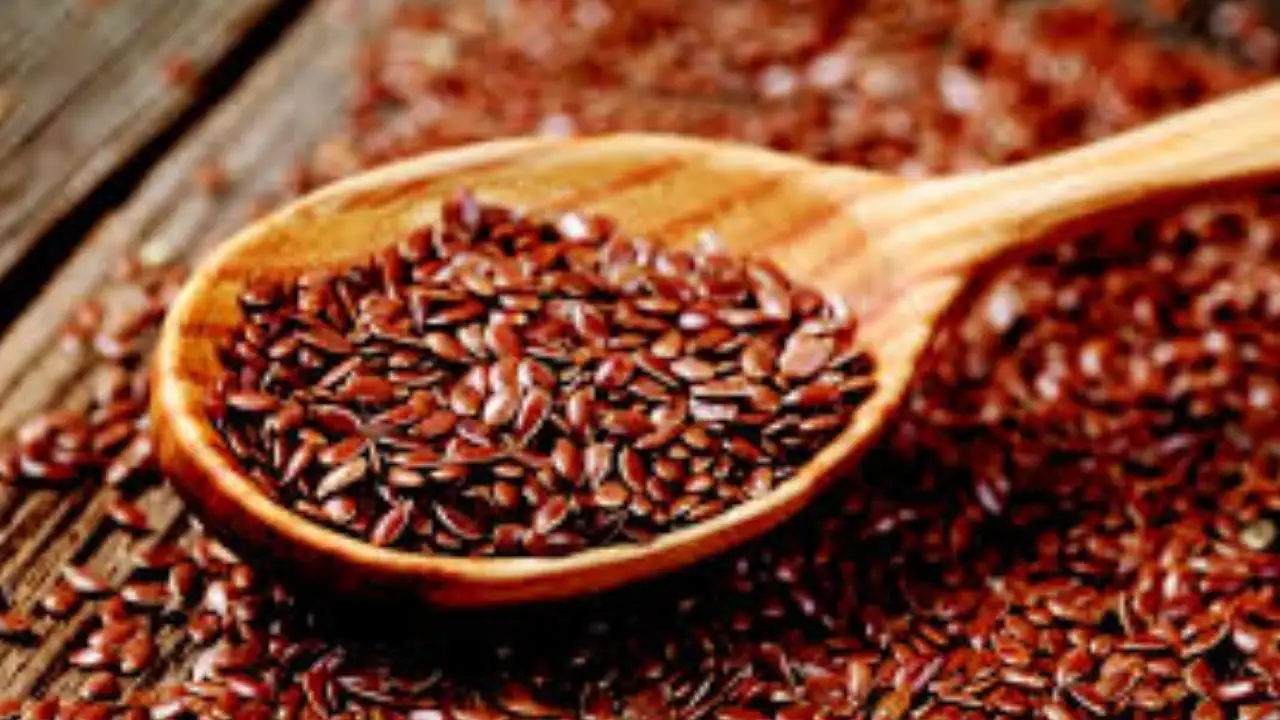

Flax seeds: a nutritional treasure
Flax seeds, which look simple, are actually full of amazing nutritional properties. For centuries, they have been considered an important source of energy and nutrition in various regions, including the Middle East.
Correct use of flax seeds
Modern nutritional science has made it clear that flax seeds play an important role in improving digestion, maintaining heart health and providing essential fatty acids. Now we understand how and in what form eating them is most beneficial.
Flax seeds are available in the market in whole, ground, roasted and oil form. Their form is important, as whole seeds often pass out of the body without being digested. On the other hand, consuming ground flaxseed may help the body better absorb its nutrients, especially healthy fats. Therefore, experts consider ground flaxseed to be more beneficial.
Nutritional information
According to Healthline, flax seeds contain primarily fat, followed by carbohydrates and proteins. One teaspoon of flax seeds contains about 55 calories, making it an easy addition to the diet. The majority of its carbohydrates come from fiber, not sugar or starch, making it beneficial for digestion.
benefits of fiber
Flax seeds contain both soluble and insoluble fibre. Soluble fiber forms a gel when it comes in contact with water, which slows down digestion and keeps blood sugar levels balanced. At the same time, insoluble fiber helps in cleaning the intestines by making the stool heavy. Both together play an important role in relieving constipation and regular digestion.
Protein and Omega-3 Fats
Flax seeds are a good plant protein source, although they are low in lysine. They contain alpha-linolenic acid (ALA), an omega-3 fatty acid, making flaxseed one of the richest vegetarian sources. Additionally, the balance of omega-6 and omega-3 in them may help reduce inflammation.
Benefits of regular consumption
Research shows that regular consumption of flax seeds may help improve digestion, lower cholesterol, and reduce the risk of heart disease and type-2 diabetes. The antioxidants called lignans present in them may also help protect against some types of cancer. Ground flaxseed can be easily included in everyday life by mixing it in curd, smoothie, porridge or flour.
important note
Note: This article is for general information only. In case of any health problem or dietary change, always consult a doctor or nutritionist.

Comments are closed.