
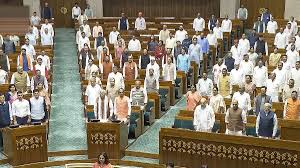

Parliamentary Affairs Minister Kiren Rijiju called it a “very productive” session, noting eight bills were passed to accelerate reforms impacting citizens’ daily lives. The Congress criticized the session, alleging the government insulted national figures like Rabindranath Tagore and Mahatma Gandhi.
A major highlight was the replacement of the 20-year-old Mahatma Gandhi National Rural Employment Guarantee Scheme (MGNREGA) with the Viksit Bharat Guarantee for Rozgar and Ajeevika Mission (Gramin), guaranteeing 125 days of rural employment per household, up from 100 days.
The opposition protested the omission of Gandhi’s name from the new legislation, leading to disruptions in both houses, with Rajya Sabha Chairman C.P. Radhakrishnan condemning the conduct as “unbecoming of Members of Parliament.”
The session also cleared the SHANTI Bill, opening India’s civil nuclear sector to private participation, and approved raising foreign direct investment (FDI) in insurance to 100%, aimed at improving penetration, lowering premiums, and generating jobs.
Other bills passed included the repeal of outdated laws, amendments to the Manipur GST, the Central Excise Act, and the Health Security and National Security Cess Bill. Supplementary Demands for Grants for 2025-26 were also approved.
Parliament held two politically charged debates: one commemorating 150 years of the national song Vande Mataram, and another on election reforms, though discussions on air pollution and special intensive revision (SIR) of electoral rolls could not take place due to opposition protests.
PM Modi and Home Minister Amit Shah led discussions in their respective houses, while hundreds of MPs participated in these debates, highlighting the session’s engagement despite disruptions.
However, some bills, including the Viksit Bharat Shiksha Adhisthan Bill for setting up a higher education regulator and a market securities code bill, were referred to committees for further examination.
Overall, the Winter Session focused on reforming rural employment, opening sectors to private investment, and streamlining legislation, but was marked by significant political confrontations and opposition protests.

Comments are closed.