

- Ginger adds flavor and natural anti-inflammatory compounds to soups.
- Fresh, powdered or lightly sweetened ginger can all work in savory recipes.
- Adding ginger to soups is an easy way to reduce inflammation.
When we think about the perfect ingredients to add to a warm, comforting bowl of soup, we often think of onions, celery or garlic. While those are great additions, flavorful spices, such as ginger, are often overlooked. Commonly used in desserts and teas, ginger is also a potent anti-inflammatory agent that can elevate your soups in both flavor and health benefits.
How to Incorporate Ginger Into Soups
Fresh ginger is the most common form used in soups. Its sharp and slightly spicy flavor pairs well with a variety of savory ingredients. You can grate or finely chop fresh ginger and add it early in the cooking process to allow its flavor to fully infuse the broth.
Ginger powder is another great option, especially if you want a more concentrated flavor. It’s shelf-stable and can be used in a variety of recipes. When using, start with a small amount, and add more as desired. For those who enjoy a hint of sweetness, candied ginger can also be chopped and added to certain soup and salad recipes, providing a unique twist.
Ginger also pairs beautifully with root vegetables, chicken and even seafood, making it a versatile addition to a variety of soups, like the two described below.
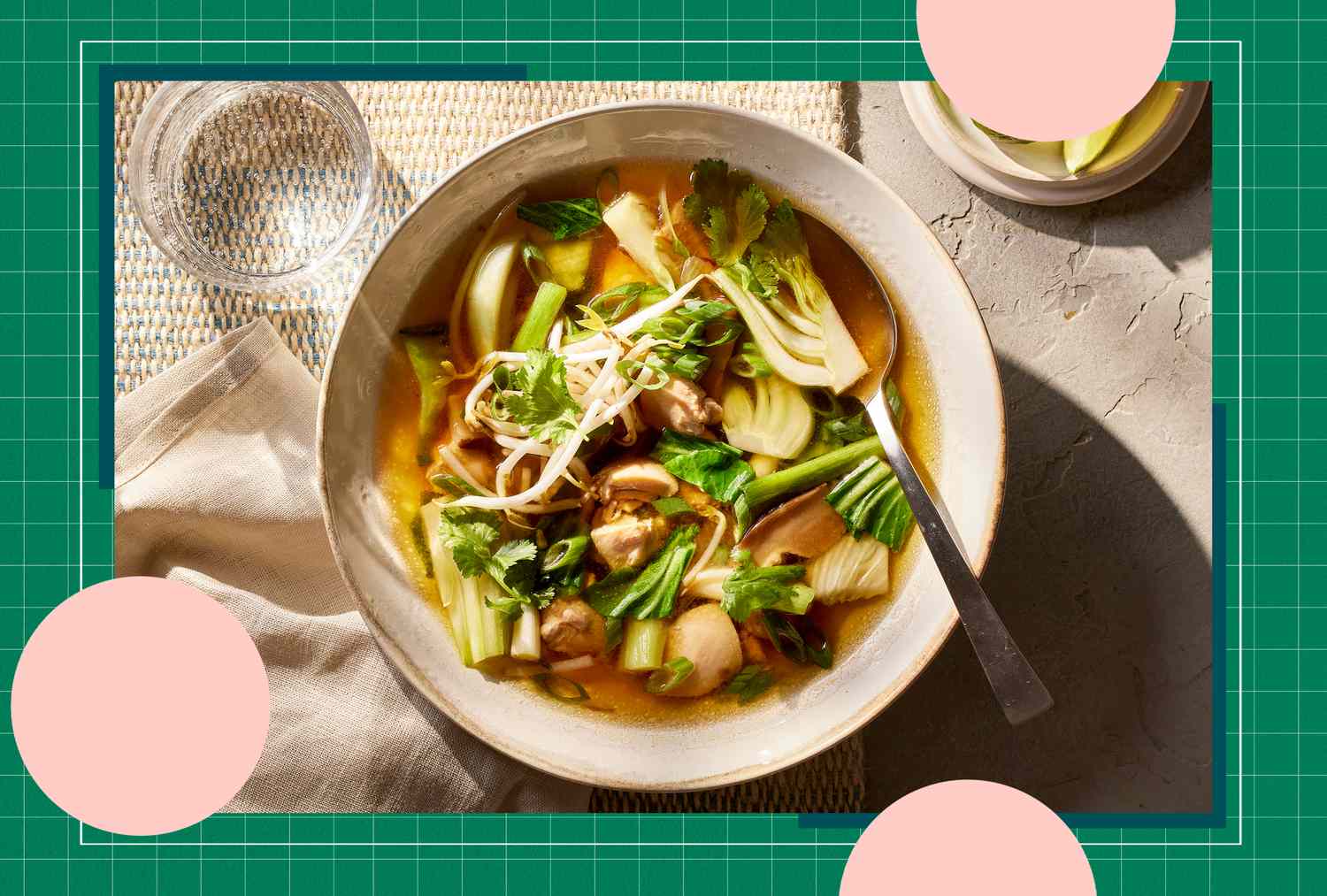
- Chicken & Bok Choy Soup with Ginger & Mushrooms: This nourishing soup combines tender chicken with fresh bok choy and mushrooms, all simmered in a flavorful broth infused with ginger. The ginger adds depth and flavor, and a boost of anti-inflammatory benefits.
- Comforting Cabbage Soup with Ginger: In this hearty soup, the ginger pairs beautifully with the sweetness of the cabbage, creating a soothing and comforting soup with an anti-inflammatory boost.
Understanding Inflammation
Inflammation is the body’s natural response to injuries and infections. It helps heal, defend and protect our bodies. Acute inflammation, such as swelling from a sprained ankle or a cut, is essential for recovery. However, chronic inflammation, which occurs when the body’s inflammatory response is constantly active, can lead to serious health concerns like heart disease, arthritis and even some cancers.
Nutrition plays an important role in managing inflammation. The foods we eat can either exacerbate inflammation or help reduce inflammation in the body. For example, eating patterns high in sugar, processed foods and saturated fats can contribute to chronic inflammation. When consumed in excess, these foods and ingredients can increase the production of pro-inflammatory cytokines, which are signaling molecules that promote inflammation in the body. Eating plenty of fruits, vegetables, seeds, nuts and spices such as ginger can help combat inflammation and improve your overall health.
Ginger: A Natural Anti-Inflammatory Agent
Ginger is often used in a variety of recipes and teas and has been used for centuries in traditional medicine, due to its anti-inflammatory properties. These anti-inflammatory properties are attributed to the active compounds: gingerol, shogaol and paradol. These compounds are responsible for ginger’s distinct spicy flavor and have been shown to help reduce inflammation at a cellular level.
Gingerol is the most ginger-bioactive compound and is primarily responsible for its anti-inflammatory effects by inhibiting the production of pro-inflammatory cytokines and enzymes, which are involved in the inflammation process. This inhibition helps reduce swelling and pain, particularly in conditions like osteoarthritis and rheumatoid arthritis.
Shogaol and paradol are compounds that are formed when gingerol is cooked or dried. Both contribute to ginger’s ability to moderate inflammation by suppressing the production of nitric oxide, which is a molecule that can lead to chronic inflammation when produced in excess.
Our Expert Take
Chronic inflammation has been linked to many common long-term health conditions, which is why everyday food choices matter. Ginger stands out as a practical anti-inflammatory ingredient because it’s easy to find, simple to use and supported by both traditional use and modern research. Adding small amounts of ginger regularly—especially in soups and broths—can be a straightforward way to reduce inflammation without making major changes to your cooking routine.

Comments are closed.