
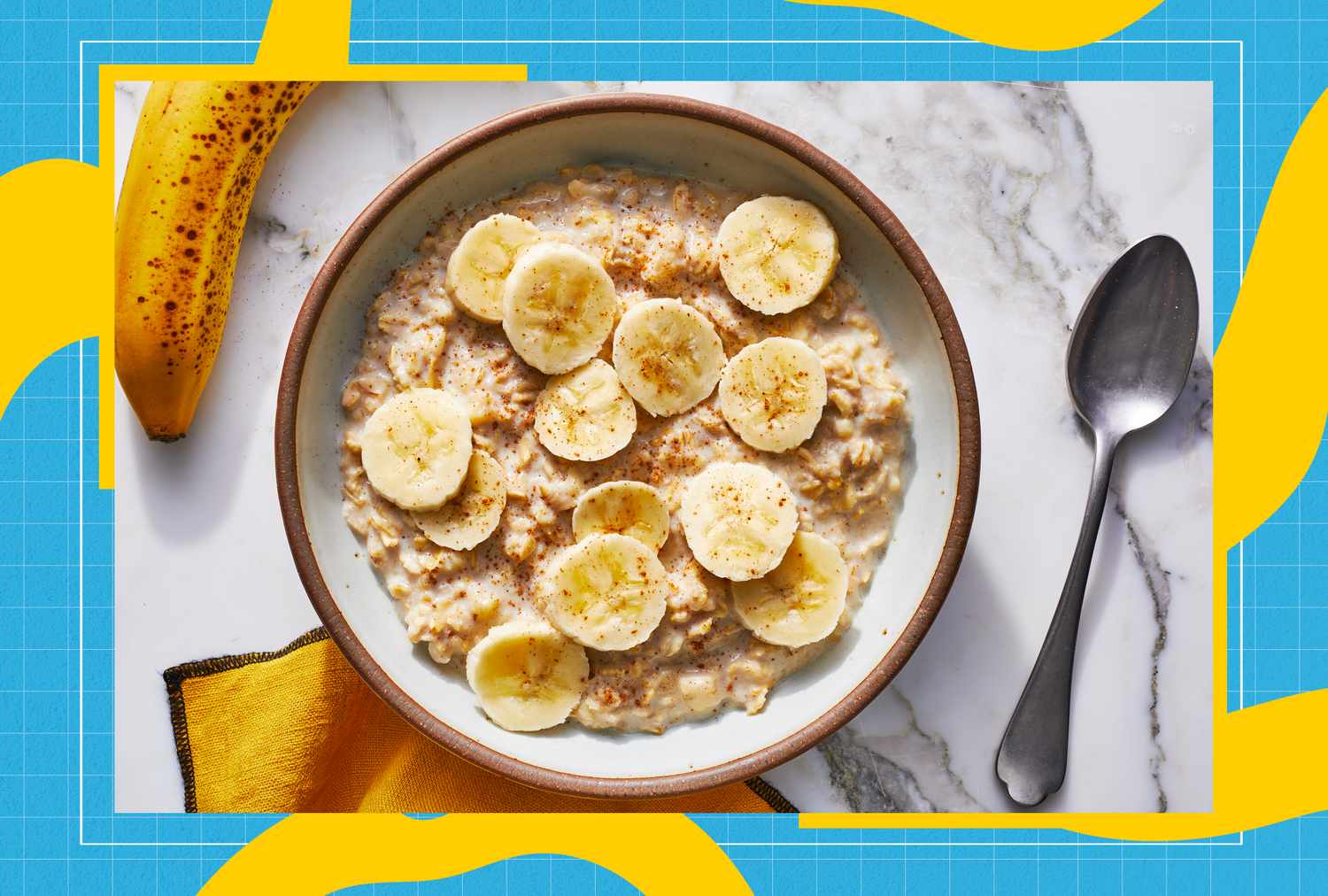

- When heartburn strikes, eating a banana may provide relief.
- Bananas are mild and easy to tolerate, and their fiber promotes healthy digestion.
- Eating smaller meals and avoiding alcohol, caffeine and chocolate may help prevent heartburn.
You just finished a meal and all of the sudden, your chest feels like it’s on fire. Before you panic, know that there’s a good chance you’re experiencing heartburn. Heartburn is a symptom of acid reflux. It occurs when undigested food and acid from your stomach flow backward into your esophagus, causing that unpleasant burning sensation.
For most of us, heartburn is a once-in-a-while annoyance. However, it is uncomfortable. But you don’t have to tough it out. In fact, you may already have quick relief sitting in your kitchen’s fruit bowl: Bananas.
How do bananas ease heartburn? Read on to learn the details, plus other strategies to keep heartburn at bay.
How Bananas Can Help Reduce Heartburn
Their Fiber Keeps Things Moving in the Right Direction
Fiber doesn’t just prevent constipation. It propels food to move forward from your stomach through your gut. Conversely, if you don’t consume much fiber, food may linger in your stomach for longer than it should. When this happens, your stomach tries harder to digest your food by producing more acid, which can lead to heartburn.
At the same time, when too much food sits in your stomach, it can put pressure on the lower esophageal sphincter (LES), a valve that is supposed to seal off the stomach from the esophagus after you eat. When this happens, the LES is more likely to relax and open, which allows the acidic contents of your stomach to back up into your esophagus. Research has found that eating more fiber may reduce the likelihood of the LES opening, keeping food and acid out of your esophagus.
Snacking on a medium banana gives you 3 grams of fiber, providing about 11% of the Daily Value in one neat little package. What’s more, bananas contain a specific fiber called pectin, which acts as a prebiotic and helps good gut bacteria thrive. Since there may be a connection between GERD and the health of your microbiome, regularly eating bananas may help foster the growth of more good gut bacteria.
They’re Bland and Easy to Tolerate
When it comes to preventing and relieving heartburn, bland, easy-to-digest foods, like bananas, tend to work especially well. In fact, bananas are one of the only fruits, other than applesauce, that can fit into a bland diet.
In addition, bananas are practically fat-free. That’s a plus, as high-fat foods increase the likelihood of heartburn by relaxing the LES. If you find bananas help soothe your reflux, you may also do well with other low-fat, bland foods, like eggs, low-fat dairy and skinless chicken.
They May Reduce Stomach Acid
Stomach acid is essential for helping your body digest food. But you can have too much of a good thing. That’s why avoiding acidic foods, like tomatoes and citrus fruits, is often recommended for those prone to heartburn. Bananas, on the other hand, are low in acid, and may help neutralize stomach acid. Research also suggests they can create a protective coating that helps shield the lining of your esophagus from acid damage.
They Help Fight Inflammation
We don’t hear it very often, but bananas are loaded with inflammation-fighting antioxidants, like phytosterols, carotenoids and phenols. That doesn’t just make them great for protecting against chronic inflammation. When reflux becomes a regular event, it can lead to a chronic condition called gastroesophageal reflux disease (GERD). Over time, and without treatment, GERD can cause dangerous inflammation that may lead to esophageal cancer.
While bananas won’t cure GERD, their antioxidants can provide a little extra protection. That said, if you are experiencing frequent heartburn, it’s critical to tell your health care provider to discuss treatment options.
Other Strategies to Reduce Heartburn
While eating bananas is one way to reduce heartburn, it’s not the only way. These strategies can provide the relief you need and, in some cases, prevent heartburn from happening in the first place.
- Stress Less: Stress isn’t a direct cause of heartburn, but it can trigger symptoms. If that sounds like you, look for new ways to alleviate stress, like journaling, stretching, deep breathing or yoga. Or, take a walk. It will get your digestive system moving in the right direction and ease stress at the same time.
- Stay Upright After Eating: “Make sure to not lie down immediately after eating because that can make symptoms worse,” says Amanda Sauceda, MS, RDN. If you’re wondering how long you should wait, the National Institute of Diabetes and Digestive and Kidney Diseases recommends about three hours.
- Learn Your Triggers: Alcohol, caffeine, chocolate and fatty and spicy foods are all well-known heartburn triggers. If you frequently experience reflux, consider keeping a food journal to help pinpoint trouble foods.
- Eat Small, Frequent Meals: “Smaller, more frequent meals can also be a helpful way to reduce heartburn,” says Sauceda.
- Avoid Tight Clothing: Tight-fitting clothes can increase the pressure on your stomach, making reflux worse. If heartburn is a regular event, consider clothes with a loose waistband and avoid belts or shapewear.
- Speak with Your Health Care Provider: Occasional heartburn is unpleasant, but it’s not harmful. However, if you frequently experience reflux, you might have GERD, which can cause long-term damage to your esophagus. So, be sure to discuss any ongoing heartburn with your health care provider, who can determine the best course of treatment.
Meal plan to try
7-Day GERD Diet Meal Plan, Created by a Dietitian
Our Expert Take
If heartburn has got you down, there may be one food in your kitchen right now that might provide relief: Bananas. These easy-to-digest fruits are bland and practically fat-free. They also provide fiber, which keeps your digestive system functioning at its best. At the same time, don’t overlook the power of lifestyle changes. Managing stress, eating smaller meals, avoiding lying down after eating, and steering clear of alcohol, caffeine and chocolate may all help. However, if those measures don’t provide relief, don’t ignore it. Speak with your health care provider, who can develop a treatment plan to help you feel better and protect your long-term digestive health.

Comments are closed.