
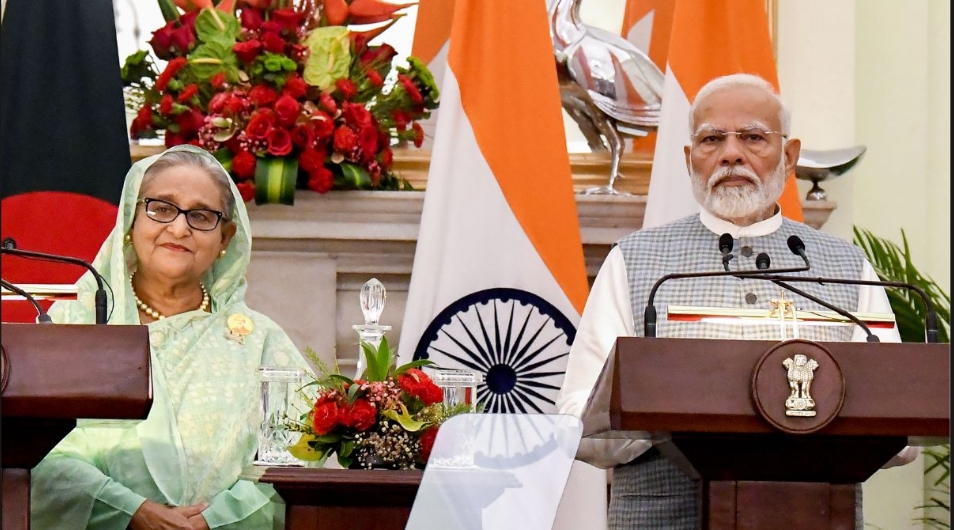

As of December 22, 2025, India-Bangladesh relations remain tense amid anti-India protests and attacks on minorities following recent unrest, including violence following the assassination of radical student leader Sharif Usman Hadi. Islamist groups have fueled anti-India rhetoric, and Dhaka has repeatedly demanded the extradition of exiled former Prime Minister Sheikh Hasina, who fled to India in August 2024.
In an email interview to ANI on December 21, Hasina placed the blame squarely on the Muhammad Yunus-led interim government for the tensions: “The tensions you are seeing are entirely the creation of Yunus. His government issues hostile statements against India, fails to protect religious minorities, and allows extremists to dictate foreign policy.” He expressed confidence that deep bilateral ties will remain in place until “legitimate governance” returns.
Critics in India argue that granting asylum to Hasina has complicated relations, as Bangladesh has sent several extradition requests citing the 2013 treaty (although these do not involve political crimes). Former diplomat KP Fabian has suggested that while the initial grant of asylum was correct, India should now send them elsewhere to avoid strengthening anti-India elements.
Supporters say loyalty to allies is paramount. Former High Commissioner Veena Sikri has stressed standing with friends, while Hasina’s son Sajib Wajed thanked PM Narendra Modi for protecting her, noting that no Islamic country offered help. Former ambassador Kanwal Sibal compared the extradition demands to the hypothetical situation of sending the Dalai Lama elsewhere for better China relations.
Experts say India is continuing diplomatic engagement, giving priority to security amid threats from Bangladeshi soil. Future relations depend on Dhaka’s choices towards stability, minority protection and pragmatic diplomacy versus extremism.

Comments are closed.