
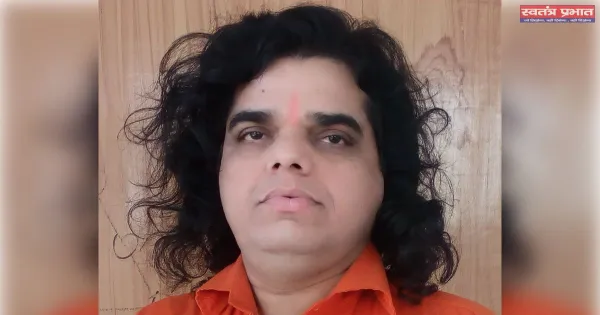

Dr. Deepkumar Shukla (Independent Commentator)
Voter Verification (Special Intensive Revision – SIR) It is the backbone of the democratic system. This process not only updates the voter list but also ensures transparency and credibility of the elections. New voters are added through special intensive vetting, Errors are rectified and names of dead/transferred voters are removed. Updating of voter list is very important to ensure fairness and transparency of elections. If there are errors in the voter list, So the credibility of the election results may be questioned. For this reason, the Election Commission conducts special intensive review from time to time (Special Intensive Revision – SIR) Makes it happen.
India’s democracy is unique in the world due to its vastness and diversity. Here every citizen has the right to vote and this right strengthens the foundation of the democratic system. But this right is meaningful only when the voter list is accurate and updated. There is a need for voter verification also because every year lakhs of youth complete the age of eighteen years and they should get the opportunity to participate in democracy. Along with this, many times the name, Address or age related errors remain in the list, which need to be corrected. It is also necessary to remove the names of dead and transferred persons so that the list remains transparent and reliable.
The vetting process is completed in several stages. First the draft roll is published, which contains the preliminary list. Citizens are then given an opportunity to lodge claims and objections. Form 6 for adding new name, Form 7 for deletion of name, Form 8 is used for correction and Form 6A for NRI voters. Booth level officers conduct door-to-door verification and finally, after disposal of all claims and objections, the final list is published.
In today’s technological world, the process of voter verification has become more modern than ever. The Election Commission has provided the facility of Voters Service Portal and mobile apps. Through which citizens can apply online. Duplicate names are being removed from Aadhaar linking and identity verification is becoming easier. Digital voter list has increased both transparency and convenience. These technological innovations are making democracy more powerful. The voter vetting process can be easily understood through the following points.
Need for voter vetting:
, adding new voters: Every year lakhs of youth complete the age of 18 years. It is necessary to include them in the list.
, correction of errors: Name, Address, Age or gender errors are corrected.
, Transfer/Removal of Dead Voter: people who moved or passed away, Their names are removed.
, ensuring transparency: Updated list increases public confidence in the election process.
legal basis:
, Representation of the People Act, 1950: Basis for preparing and revising the voter list.
, Article 324, indian constitution: Empowers the Election Commission to conduct elections and revise voter lists.
, Supreme Court instructions:Recently the court has, ration card and epic Suggested to be considered as a valid document.
Review Process:
Voter verification takes place in several stages:
, Publication of draft roll: Preliminary list is released.
, Claims and objections:citizen add new name, Apply to make corrections or lodge objections.
, use of forms,
• Form 6 , To add a new name.
• Form 7 , To remove the name.
• Form 8 , for improvement.
• Form 6A – For NRI voters.
, verification: Booth Level Officer (BLO) Verify by going door to door.
, final publication: The final list is published after all the claims and objections are settled.
technological innovation:
, Voters’ Service Portal (voters.eci.gov.in, Online registration and correction facility.
, mobile apps: Citizens can apply from their mobile only.
, aadhaar linking:Help in removing duplicate names and identity verification.
, digital roles: Now the voter list is available in digital form.
Challenges:
, Lack of awareness in rural areas.
, lack of technical literacy: Many people do not understand the online process.
, Document problem: Poor and migrant laborers do not have the necessary documents.
, political pressure: Sometimes impartiality gets affected due to pressure at the local level.
Role of Supreme Court:
recently in bihar Sir But during the hearing the court said that the basis, ration card and epic can be considered a valid document. This will simplify the process and more citizens will be able to join the list.
Social and Political Importance:
, protection of democratic rights: Every citizen gets the right to vote.
, basis of equality: Equal opportunities for all sections.
, political stability: Updated list reduces disputes over election results.
, public participation: Active participation of citizens strengthens democracy.
Improvement measures:
, awareness campaign: Going from village to village and explaining the process to the people.
, simple document policy: Registration facility with minimum documents.
, technical training: Teaching online process to citizens.
, monitoring system, BL And strict monitoring of officials.
conclusion:
Voter verification is not just a technical process, Rather it is the soul of democracy. This is an effort to strengthen the backbone of democracy. Therefore, it is the right and duty of every citizen to get his/her name registered in the list on time. If the voter list is accurate and up to date, Only then will the elections be fair and transparent. The Election Commission of India has made this process more powerful through technological innovations and legal provisions. Voter revision should not be considered merely an administrative task but should be considered a democratic responsibility.

Comments are closed.