
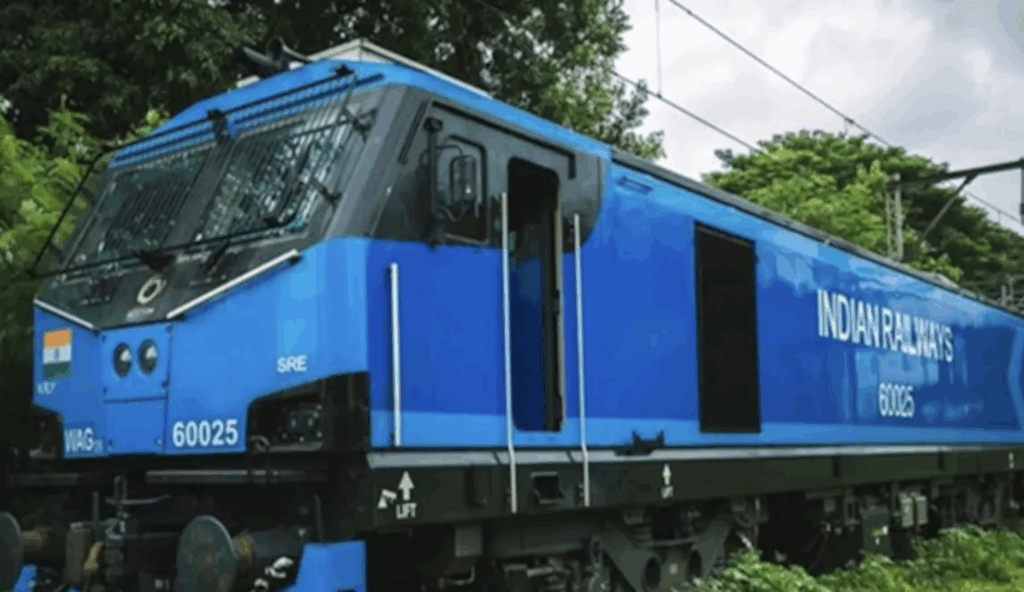

Indian Railways is taking a significant step toward sustainable rail transport by introducing its first hydrogen-powered train as a demonstration project. This initiative aligns with the government’s broader Atmanirbhar Bharat (self-reliant India) mission, highlighting innovation in clean energy, reduced emissions, and future-ready transport solutions.
Why Hydrogen Trains Matter
Hydrogen trains run on fuel cells that convert hydrogen gas into electricity, producing zero direct emissions — only water vapour as a by-product. This makes hydrogen an attractive alternative to diesel, especially for non-electrified routes. With India aiming to cut greenhouse gas emissions and transition to cleaner energy sources, hydrogen technology offers an eco-friendly and sustainable transport option.
The Demonstration Run
Indian Railways plans to run the hydrogen train as a demo project to showcase the viability of hydrogen propulsion in real service conditions. The train will undergo tests to evaluate performance, safety, fuel efficiency, and adaptability to India’s diverse railway network.
This demonstration is not immediately aimed at commercial service but sets the groundwork for future hydrogen train operations. By experimenting with this next-generation technology, Indian Railways seeks to gather crucial data and operational experience.
Supporting Atmanirbhar Bharat Goals
The move supports the government’s vision of making India more self-reliant in critical technologies and reducing dependence on imported fossil fuels. Hydrogen can be produced domestically, especially using renewable energy sources like solar and wind power, which may further reduce the carbon footprint of fuel production.
By investing in hydrogen technology, Indian Railways is embracing innovation that could generate local manufacturing, research, and infrastructure opportunities, contributing to the national economy.
Benefits Beyond Sustainability
Hydrogen trains could deliver multiple advantages:
- Reduced Pollution: Zero direct emissions can lower air pollution along rail corridors.
- Energy Diversification: Uses alternative fuel, reducing reliance on diesel.
- Quiet Operation: Hydrogen trains are typically quieter compared to diesel locomotives, improving passenger comfort and reducing noise pollution.
- Future Potential: If scaled successfully, hydrogen propulsion may complement electric traction and offer a flexible solution for non-electrified sections.
Challenges Ahead
Despite its promise, hydrogen technology comes with challenges. Producing green hydrogen at scale remains expensive, and setting up refuelling infrastructure requires investment and planning. Safety protocols, storage systems, and fuel supply logistics will also need thorough development.
Conclusion
Indian Railways’ hydrogen train demonstration represents a forward-looking step toward sustainable, clean, and innovative rail transport. While commercial deployment may still be in its early stages, this initiative underscores India’s commitment to embracing new technologies under the Atmanirbhar Bharat vision and addressing environmental concerns while modernising rail travel.

Comments are closed.