

Highlights
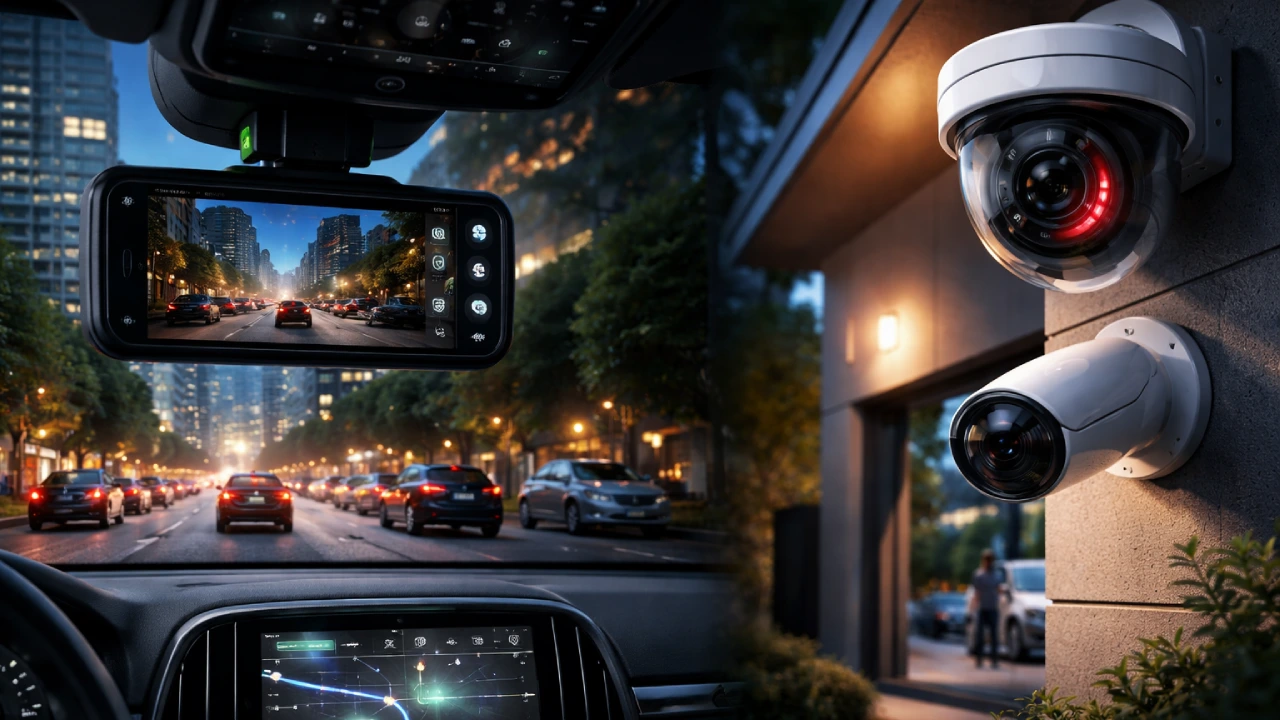
- 4K AI dash cams deliver crystal-clear evidence, smart alerts, and full front-rear coverage for safer driving.
- Smart surveillance cameras now rival traditional systems with 4K video, AI detection, and remote live-view.
- Privacy, storage, and power consumption remain key factors users must consider before upgrading in 2025.
Smart surveillance cameras (for home or parking lots) are quickly catching up to the conventional ones. The majority of them already have 4K resolution, AI-based object/people detection, motion alerts, and remote live-view. However, privacy issues, the necessity for storage (local or cloud), and the cost of accessories still hold some folks back.
By 2025, dash cams and smart surveillance cameras will have almost obliterated the “set-and-forget” cameras of the early 2010s. The transformation has been incredible with AI-powered detection and real-time alerts coming in to replace shaky 720p footage, all the way to clear 4K video. Nevertheless, alongside great technology come trade-offs: cost, power, storage, and privacy issues.
City drivers and homeowners — where accidents, vandalism, road frauds, or thefts are common, and security is a concern— these devices promise not only peace of mind but also quick evidence. The question now is not if the camera technology is impressive, but if it is worth the hype for regular users. This article is geared towards exactly that: what these devices can do in 2025 and where they still need improvement.
The Importance of 4K and AI Dash Cams
4K Clarity: The Video Is Not Only Crisp But Also Clear
In the past, the 720p or 1080p resolution of the dash cams was insufficient in many cases, resulting in blurry license plates, distorted colors, or loss of detail due to poor lighting. But modern 4K dash cams have taken care of this issue:
Sharper details
You can read the license plates, traffic signs, and even the tiniest details very clearly from a distance at 4K (Ultra HD), which may be vital for you after an accident or incident.
Better with movement
There is no more merging of fast-moving vehicles or sudden shocks into unreadable streaks.
Night-vision & HDR
With enhanced sensors (for example, Sony STARVIS 2 or IMX678) and infrared/WDR support, quite a few dash cams are able to cope fairly well even in dark or poorly lit conditions.
These advancements are huge for those who drive in heavy city traffic, narrow streets, or during odd hours.
AI & Smart Features: From Passive Camera to Active Safety Tool
Dash cams of 2025 are not merely recorders—they have become intelligent assistants and are capable of performing the following:
- Detection of collision, alerts of lane departure, and monitoring of driver behavior—very suitable for long night driving or risk of distraction.
- Parking mode and theft prevention—motion detection can record suspicious activity or impact even when the car is off.
- Cloud upload or remote access (for compatible models)—this means that even if someone damages the camera or steals the SD card, the footage is still safe.
- Multi-channel coverage—having cameras covering the front, rear, and sometimes the interior cabin, letting you have no blind spots if you are in a ride-share, taxi, or shared vehicle situation.
The frequent driver, the one who shares a car, or the one living in an unpredictable traffic environment will find these features to significantly boost safety and accountability.
Smart Surveillance Cameras — Not Just for Cars
The whole thing isn’t just about the innovation coming out of the vehicles; the security cameras in smart homes are also broadening their scope rapidly:
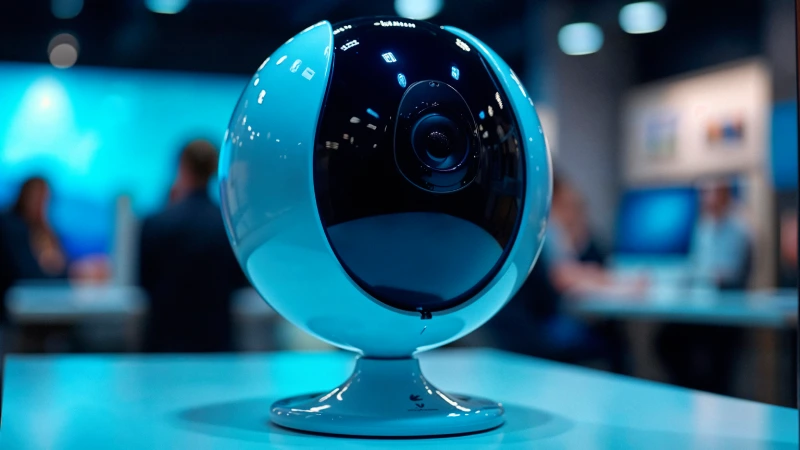
The new cameras come with 4K resolution, AI-based object detection (distinguishing among humans, animals, and different types of vehicles), two-way audio, motion-activated lights or sirens, and night vision, making them suitable for various purposes such as home security, rental property surveillance, or even remote monitoring. They can tell if an intruder is coming through the door or windows, as well as alert and record at the same time, because they will be integrated with the smart-home ecosystems (voice assistants, automation platforms).

These cameras are targeted towards apartment dwellers or people who travel frequently and want to keep an eye on their home/pets since they provide real-time alerts + video, which are very efficient, and do not require any major infrastructure changes. If users are careful about privacy, data protection, and consent, then smart cams can be regarded as a good investment.
Trade-offs: What You Should Know Before Buying
No technology at all is perfect. Here are the cons you should be considering:
Cost & Ongoing Investment
Top-notch 4K and AI dash cams are priced almost four times higher than low-end 1080p models — but the benefits are really worth that much.
The concern regarding video storage will increase. 4K video takes up a lot of space; you will need large microSD cards (minimum of 128 GB) or external/cloud storage.
Power Consumption & Installation Complexity
The advanced dash cams with continuous parking surveillance or AI detection often require hardwiring installation, which can be challenging and may also void the car warranty in case of some models.
Due to higher power consumption, battery-powered (or poorly wired) units may experience less reliability, particularly in hot weather conditions or during long journeys.
Privacy & Legal Matters
Dash cams are a constant recording device that can grab the attention of onlookers, overheard private discussions, passing cars, thus raising the question of privacy and legality under the local laws and surrounding areas.

In case of security cameras, their abuse without permission (in case of neighbors, shared parking lots, public places) can turn into an issue both ethically and legally.
False Security or Trust in AI
AI detection might be smart, but it can sometimes still confuse shadows, heavy rainfall, and even non-threatening movements with threats; it is not completely reliable.
Dependence on AI might induce some users to be less careful, neglecting their driving habits, ignoring safety measures, or using unsecured parking places, thinking “the camera will capture it.” This is dangerous.
So—Will They Live Up to Expectations in 2025?
Yes—but only if you consciously choose them.
If you:
often drive (in a city or on a highway) or are stuck in unpredictable traffic live in a place where accidents, theft, or vandalism are prevalent share cars with others or usually have a passenger, you need accurate, usable proof (accidents, insurance, theft, ride-share liability) want to keep an eye on the property or the vehicles even when you are not around, then a cutting-edge 4K dash cam or smart surveillance camera is totally worth it.
They provide genuine benefits — not only showy characteristics.
But if you are an infrequent driver, park in safe places, are okay with 1080p video quality, or are worried about privacy, a basic dash cam or no dash cam at all may be sufficient for you.
Conclusion
In 2025, dash cams and smart surveillance cameras have indeed developed into very reliable safety and evidence tools. With a resolution of 4K, AI-detection, and multifunctional recording together with cloud connectivity, they have made it possible to enjoy security, accountability, and peace of mind in ways not possible with earlier models. Nevertheless, they are not sorcery. They will be more or less effective based on your approach, the location, and your knowledge of their drawbacks: i.e, Cost, storage, power, and privacy.

If you assess your requirements without any self-deception and make a wise choice, these machines can be more than just novelties. They will be able to provide protection, testimony, and invisibly guard you. For a large number of individuals in the year 2025, such as urban drivers, frequent travelers, gig-workers, or city dwellers, the assurance might turn out to be a significant investment.

Comments are closed.