
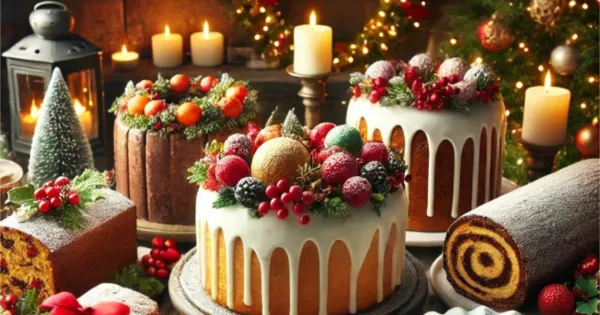
Christmas Special: The secret of the sweet fire and magical taste of Christmas pudding… Scientists revealed the secret of chemistry!

Sydney: Christmas is special for everyone in different ways. For me, this is the time when I can enjoy special dishes not available all year round, such as glazed ham and specially cooked Christmas pudding. But have you ever wondered what chemical processes work behind this traditional dessert? Let us know about the science of Christmas pudding.
complex flavor profile
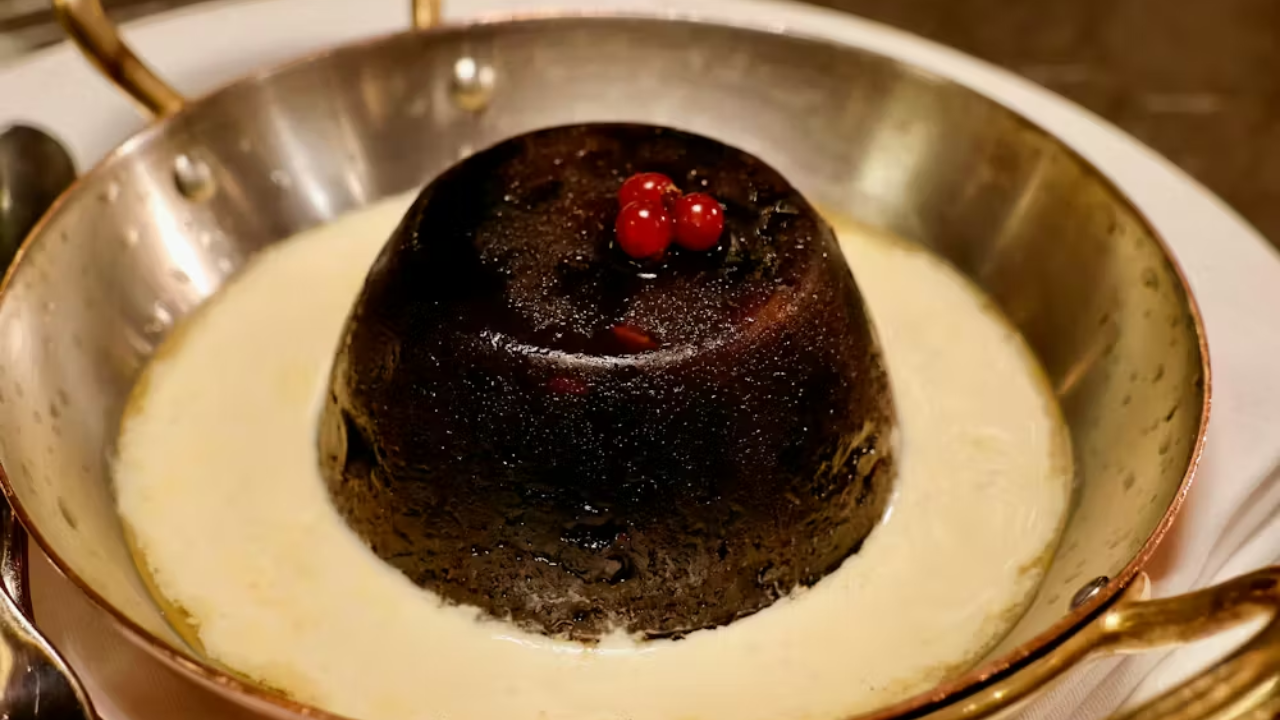
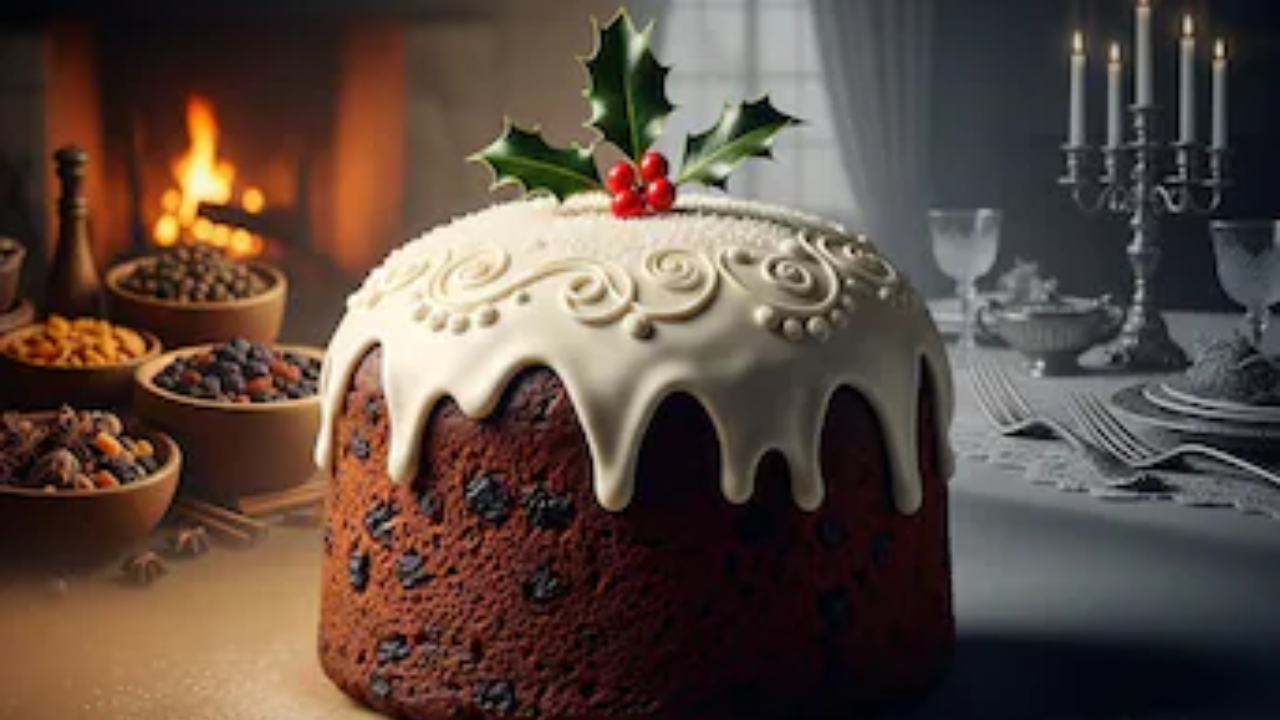
Christmas pudding is a steamed dessert consisting of dried fruits, sugar, flour, fat, spices, eggs and alcohol. It is usually prepared in advance and then reheated in steam before serving. Modern puddings use dried grapes such as raisins, currants, sultanas, and candied fruits such as glazed cherries and citrus peels. Dried fruits have different flavors than fresh fruits. Many flavor compounds are lost, but new flavors are created by enzymatic browning, chemical transformation of fatty acids and natural colors. Candied fruit is heated in sugar syrup, which replaces the water with sugar, resulting in a sweeter but less colorful fruit. This sweet environment is unfavorable for microorganisms. Dried fruits are often soaked in liquor such as brandy, rum or cognac for several hours to weeks. This keeps the fruits moist and also enhances the taste of the pudding. The ethanol present in wine also prevents the growth of microorganisms.
Chemical contribution of spices and fat
Spices such as cinnamon, nutmeg, allspice, mace and cloves are commonly added to puddings. The chemicals present in them like cinnamaldehyde (cinnamon), eugenol (clove) and sabinene (nutmeg) determine its distinctive taste. Although pudding is not a cake, it uses cake-like ingredients — such as flour, baking powder, eggs, and fat. The flour absorbs moisture and provides structure, while the baking powder helps with the rise. Lecithin from the egg yolk helps keep the mixture together. Nowadays, vegetable oils are more popular in this.
Steam Cooking: Scientific Approach
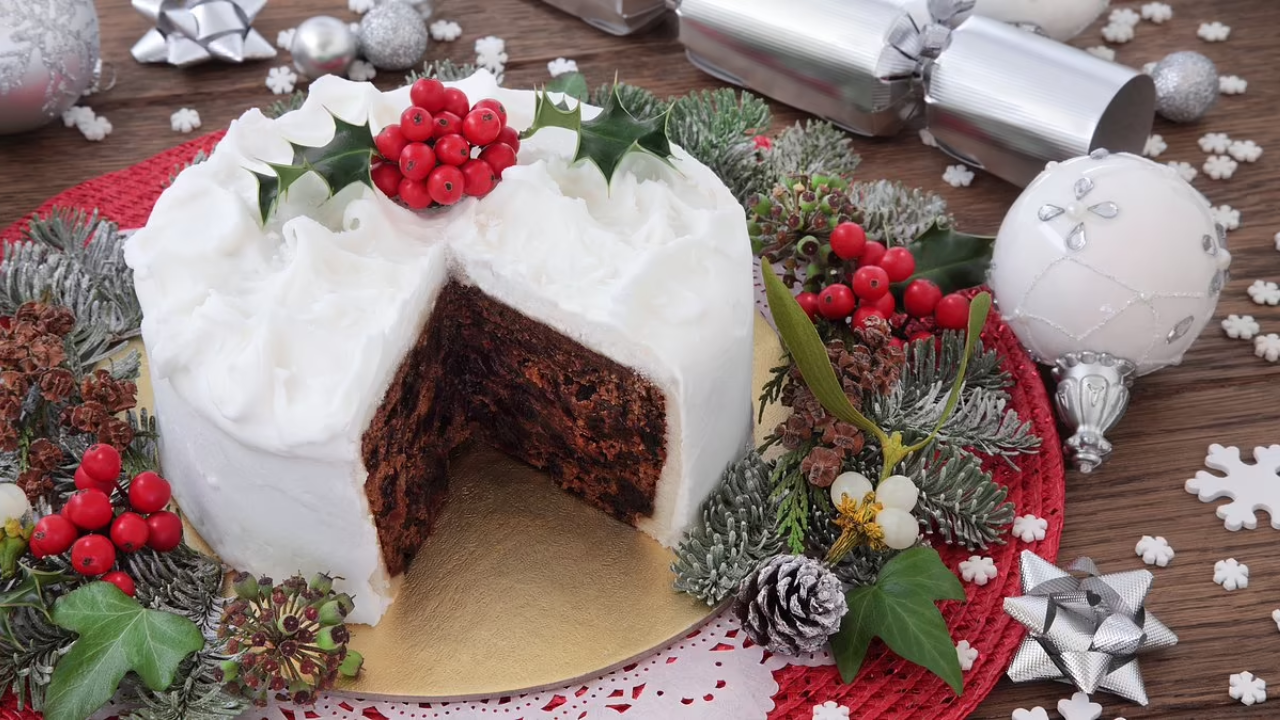
The pudding mixture is poured into a bowl, sealed and steamed. The steady heat of 100 °C of boiling water gelatinizes the starches, breaks down the egg proteins and activates the baking powder. This allows the pudding to set and rise. After ripening, it can be stored safely for several weeks. Some people keep adding alcohol to it for weeks so that it remains tasty and does not spoil.
‘Flaming pudding’: don’t overdo it
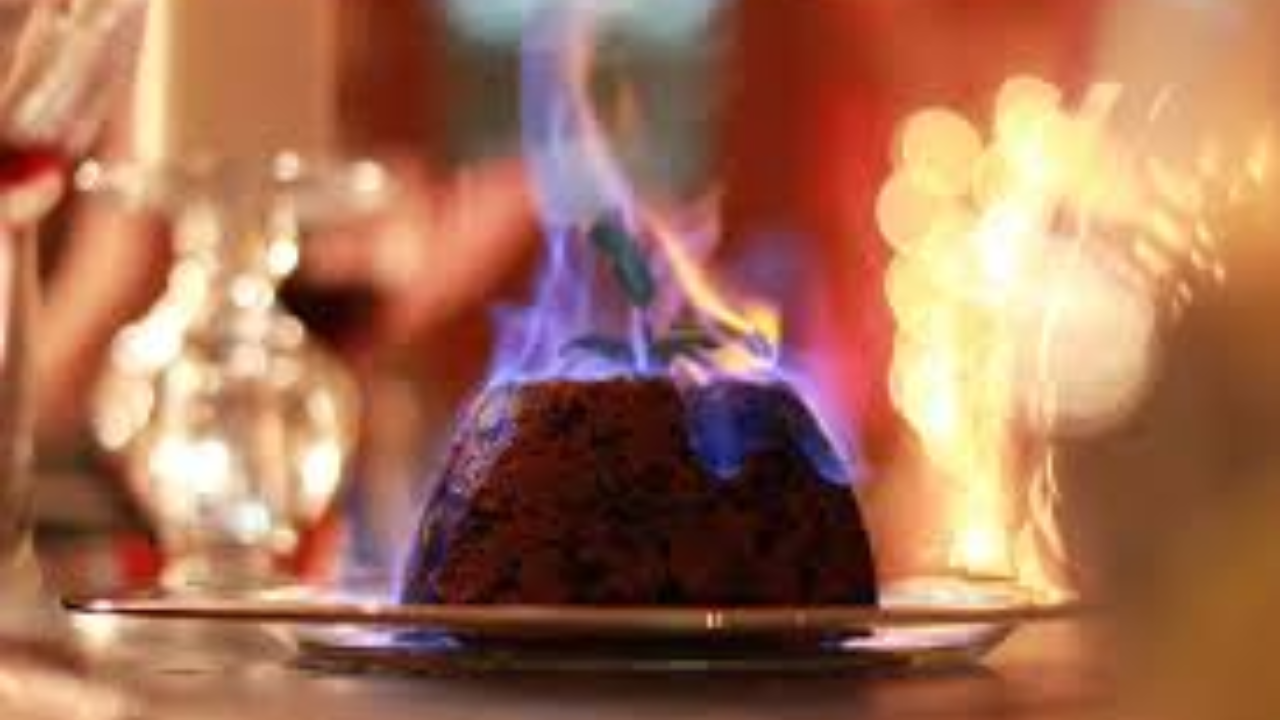
It’s a dramatic but unnecessary tradition—pouring alcohol over the pudding and setting it on fire. The flame of burning ethanol is blue, indicating complete combustion. The orange flame is caused by incomplete combustion, in which the carbon starts glowing. Such an invisible blue flame can be extremely dangerous. So never move a burning candy cane, and remember: more fuel is not always better.
Coins and traditions
According to the old tradition, auspicious symbols like coins etc. were put in the pudding. In Australia, three and six pence coins were minted from an alloy of silver and copper. When decimal currency was introduced in Australia in the 1960s and coins were replaced with nickel-copper, it was found that this metal turned the pudding green and also spoiled the taste. Therefore, it is recommended to insert these coins after cooking, although there is a risk of swallowing them. Silver pudding coins are still available today, but it is important to tell guests about this in advance so that both teeth and digestion are safe.

Sweet memories of a scientist
As a young chemistry student I read J. J. Had read about Thomson’s ‘plum pudding’ atomic model which is now obsolete. Thomson considered electrons spread out like “plumes” in a sphere. Although science has moved on, I still stick to my favorite pudding. Whether you eat traditional pudding or a modern pavlova this Christmas, be sure to understand the chemistry that makes your treat so memorable.

Comments are closed.