
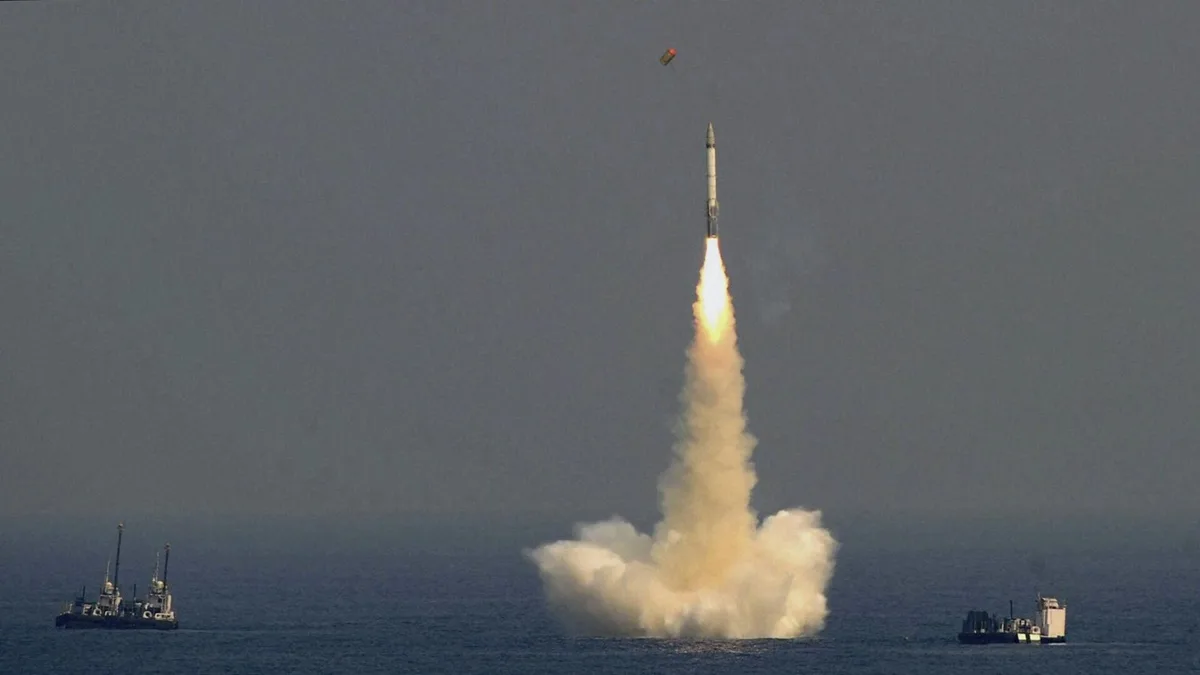
India successfully tests K-4 missile with a range of 3500 km, capable of carrying 2 tons of nuclear warhead; China and Pakistan will lose sleep, India successfully tested a missile with a range of 3500 kilometers from ins arighat submarine can be used against china pakistan

New Delhi. China and Pakistan are going to lose their sleep even more. The Indian Navy on Tuesday successfully test-fired the K-4 ballistic missile from the nuclear submarine INS Arighat. According to media reports, K-4 ballistic missile was fired from INS Arighat in the sea near Visakhapatnam. K-4 missile successfully achieved the entire 3500 km range. K-4 ballistic missile was successfully tested from a submerged platform last year. For the first time, India has tested this dangerous missile from a submarine.
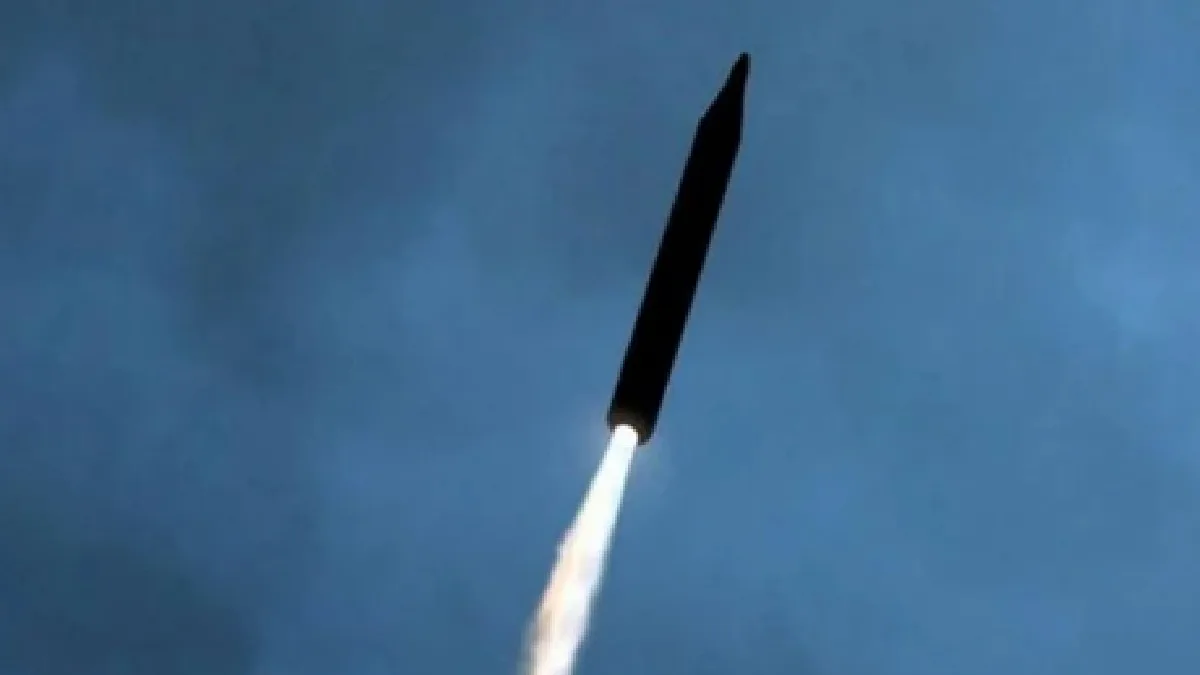
K-4 ballistic missile can fire a 2 ton nuclear warhead against enemy countries like China and Pakistan. In this way, it is helpful in causing destruction in entire Pakistan and large parts of China. Earlier, India had successfully tested the K-15 ballistic missile from its first nuclear submarine INS Arihant. The striking range of K-15 is 750 kilometers. India’s second nuclear submarine INS Arighat can carry 4 K-4 or 15 K-15 ballistic missiles. Indian Navy is now building a 7000 ton nuclear submarine. In which more K-4 missiles can be kept. Arihant and Arighat are small nuclear submarines.
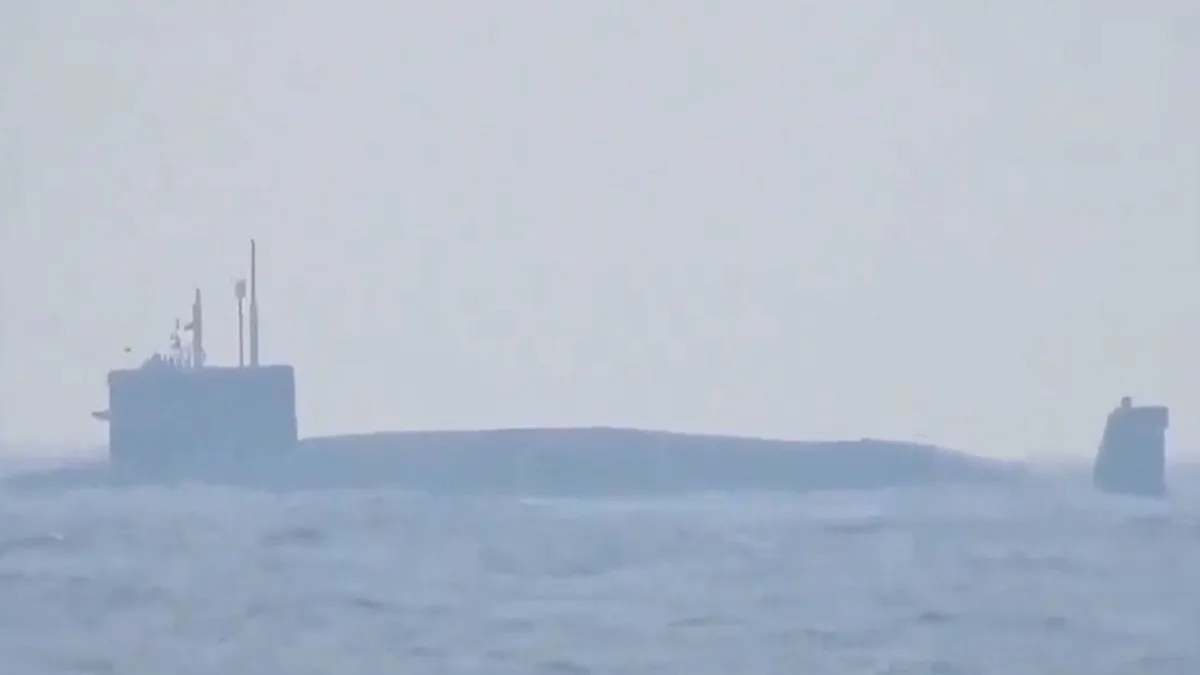
DRDO scientists have prepared this missile. K-4 SLBM is a two-stage solid fuel missile. With the successful testing of K-4 missile from a submarine, India has also come together with countries like America, China and Russia. All these countries have long-range missiles from nuclear submarines. India is also preparing such submarine-launched missiles, which will have a range of 6000 kilometers or more. Missiles that can be fired from nuclear submarines are very dangerous for the enemy. Because they silently go into the enemy’s maritime border and attack. The range of K-4 missile is so high that the Indian Navy can wreak havoc on Pakistan only by staying within its maritime limits.

Comments are closed.