
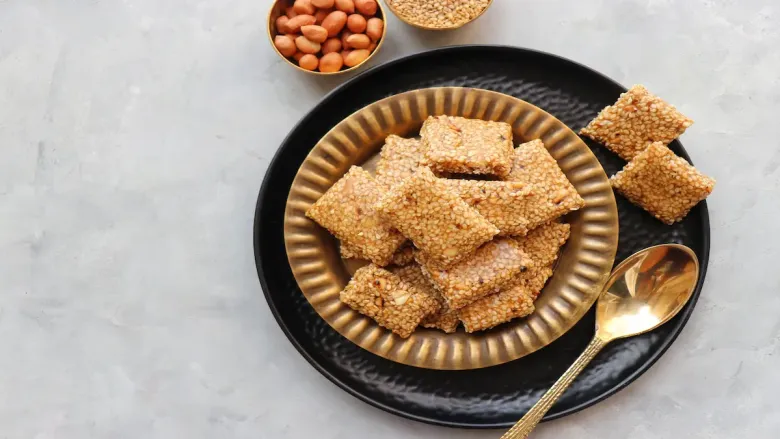
Why is sesame and jaggery sweets eaten on Makar Sankranti? Scientific and cultural reasons

Summary: Sesame and jaggery on Makar Sankranti: A confluence of health, science and culture beyond taste.
Til-jaggery on Makar Sankranti is not just a traditional sweet, but a natural way to provide energy, warmth and nutrition to the body in winter. This tradition gives the message of sweetness and positivity in relationships by combining science, Ayurveda and cultural values.
Til Gud on Makar Sankranti: As soon as Makar Sankranti arrives, sesame-jaggery laddus, chikki and sesame based dishes start being prepared in every house. This tradition is not just because of taste, but is a beautiful combination of science, health and culture. Makar Sankranti is the time when the Sun starts its journey from Dakshinayan to Uttarayan. It is considered the time of increase of light in nature and arrival of new energy. Sesame-jaggery sweets symbolize the sweetness of this new beginning. In Maharashtra and North India, sweets are distributed among the people by saying “Til-Gud Ghya, God God Bola”, which means “Eat sweet and speak sweet.” This festival gives the message of increasing sweetness and positivity in relationships.
Natural way to keep body warm in winter
In winter the body wants extra warmth to fight the cold. Both sesame and jaggery are considered winter superfoods in Ayurveda because they increase natural heat in the body. This sweet keeps the body warm for a long time and removes lethargy and fatigue during winter season.
benefits of sesame seeds
Sesame seeds are rich in healthy fats, vitamin E, calcium and zinc. These nutrients make bones strong and protect the skin from drying in cold. The antioxidants present in it increase immunity, which reduces winter infections.
benefits of jaggery
Jaggery improves digestion, gives instant energy to the body and fulfills the iron deficiency in the blood. When the digestive power becomes weak in winter, jaggery cleans the impurities accumulated in the stomach and provides relief from problems like gas and constipation.
crystallization season
In winter, the body’s digestive fire slows down due to humidity and cold. In such a situation, sesame-jaggery laddu activates digestion and helps in detoxifying the body. Sesame seeds enhance liver function, while jaggery cleanses the body of toxins. This is the reason why elders used to say, “Sesame seeds and jaggery of Sankranti give complete strength to the body.”
Religious importance of sesame and message of auspiciousness
Sesame is considered very sacred in Hindu culture. It is called ‘sacred food’ and has special importance in worship. It is believed that donating sesame seeds removes sins and increases good fortune. On the day of Makar Sankranti, donation of sesame seeds, sweets made of sesame seeds and bathing of sesame seeds are considered auspicious. Therefore this sweet is also very important religiously.
Festival of social connection and love
Distributing sesame and jaggery is not just distributing sweets. This is a way to end bitterness and make a new beginning in relationships. In earlier times, people used to visit the homes of their neighbors and family members on this day and give sesame seeds and jaggery, which increased social cohesion. Even today this tradition brings people closer to each other.
Sesame and jaggery sweets are not just a taste, but a festive message full of energy, health, auspiciousness and sweetness. Its scientific properties protect the body in winter and its cultural significance brings warmth in relationships. Therefore, feeding sesame and jaggery on Makar Sankranti is not just a tradition but a healthy and positive lifestyle.

Comments are closed.