
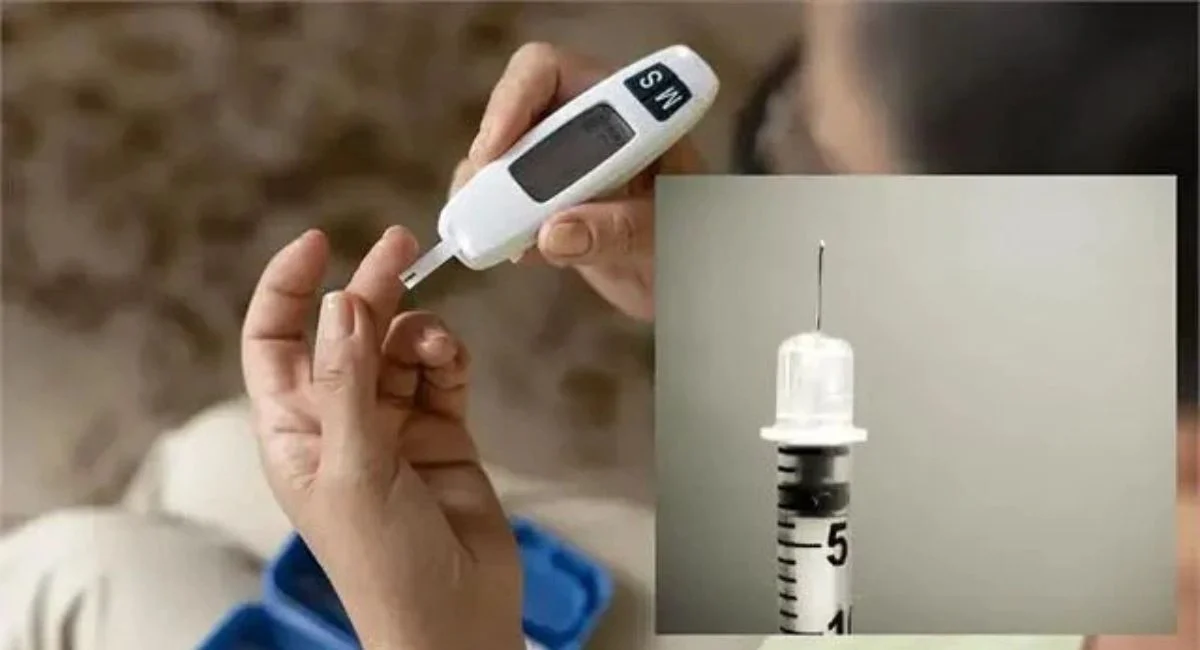

highlights
- Type 1 diabetes treatment with stem-cell therapy Solid hope for freedom from insulin injections for the first time in India
- Patients in VX-880 clinical trial stop taking insulin after years
- Historic progress towards curing type 1 diabetes
- Research is also being done rapidly on challenges like immune-suppression.
- In future, avenues for treatment of other serious diseases may also open.
Type-1 Diabetes: Why was it incurable till now?
Type 1 diabetes has been a problem for a long time. autoimmune disease It has been believed. In this disease, the patient’s body itself destroys the insulin producing beta cells present in the pancreas. The result is that insulin production in the body almost stops and the patient has to depend on external insulin injections throughout his life.
For decades, medical science had no permanent solution to this problem. The entire focus of treatment was limited to controlling blood sugar and not on the root cause of the disease. but now Type 1 diabetes treatment with stem-cell therapy Has started changing this thinking.
VX-880 trial: Which changed the lives of patients
A Real Example: Amanda Smith’s Story
The biggest success of stem-cell based treatment was seen in the VX-880 clinical trial. Amanda Smith, who was involved in this trial, was diagnosed with Type-1 diabetes in 2015. He participated in this trial after taking daily insulin injections for years.
As part of VX-880 therapy, insulin-producing cells prepared in the lab were transplanted into his body. The result was surprising—he had not had to take any insulin injections for the past two years. this achievement Type 1 diabetes treatment with stem-cell therapy Takes it to a new height.
Dr. Kevan Herold, an expert at Yale School of Medicine, believes that it is too early to call it a complete cure, but he also admits that research is moving in the right direction.
What is stem-cell therapy and how does it work?
Scientific role of stem cells
Stem cells are special cells in the body that have the ability to change into any type of cell. Scientists grow them in the lab under controlled conditions and then convert them into special cells.
Type 1 diabetes treatment with stem-cell therapy These stem cells are converted into beta cells—the same cells that naturally produce insulin.
Transplantation Process
- Stem cells are transformed into insulin-producing cells in the lab
- The quality and functionality of these cells is checked
- These are then transplanted into the patient’s body.
After these new cells are activated, the body starts producing insulin again on its own. This reduces the fluctuations in blood sugar and the need for external insulin is almost eliminated. This is why Type 1 diabetes treatment with stem-cell therapy It is believed to be a treatment that attacks the root of the disease.
Why is it considered a game-changer?
1. Freedom from daily injections
The biggest challenge for Type 1 diabetes patients is taking injections daily. This therapy can end this compulsion.
2. Better blood sugar control
Due to natural insulin production, blood sugar remains more stable, which reduces the risk of sudden high or low sugar levels.
3. Reduction in serious complications
The risk of complications like kidney failure, loss of eyesight, nerve damage can be reduced to a great extent.
4. New hope for children and youth
For children and adolescents suffering from diabetes at an early age Type 1 diabetes treatment with stem-cell therapy Can completely change the quality of life.
Medical Challenges and Potential Risks
Although this discovery is revolutionary, it also faces some serious challenges.
Immune-suppression problems
To prevent the body from rejecting the new cells as foreign, patients have to take immune-suppression medications. These medicines may increase the risk of infection.
Long term effects still unknown
It is not yet completely clear how effective the transplanted cells will be for 10–15 years.
research towards solution
Scientists are now working on genetic editing and special coating techniques, so that Type 1 diabetes treatment with stem-cell therapy Possible without immune-suppression drugs.
Future possibilities: Not limited to diabetes only
The biggest feature of stem-cell technology is that its use is not limited to diabetes only. Experts believe that in the future with this technology:
- heart disease
- liver failure
- neurological diseases
- spinal injury
Even serious conditions like this can be treated. In this respect Type 1 diabetes treatment with stem-cell therapy It is considered to be the beginning of a new era of medical science.
new ray of hope
After years of considering Type 1 diabetes incurable, medical science has now given solid reason for hope. Trials like VX-880 are proving that Type 1 diabetes treatment with stem-cell therapy Not just a dream, but can become the reality of the future.
Although this treatment is not completely available for common patients right now, but with the speed at which research is progressing, it would not be wrong to say that insulin injections can become history in the coming years.

Comments are closed.