
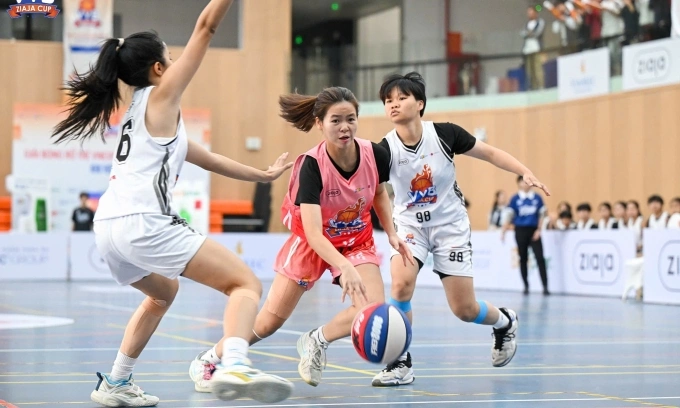

As interest in school basketball continues to rise in Vietnam’s major cities, the
Read Youth Basketball 2025 – Ziaja Cup offered a snapshot of how competition, health education and student expression are increasingly being
woven into school sports.
The event concluded on Dec. 7 after 36 days of competition. Vinschool The Harmony High School won the boys’ title, while Phan Dinh Phung High
School defended the girls’ championship.
The 2025 edition marked the tournament’s third season and the second consecutive year it has been held in Hanoi. According to organizers, the
event combined competitive play with supplementary activities such as School Tour and Media Day, reflecting an effort to develop a more
structured school basketball system aligned with high school participation.
The boys’ champions Vinschool The Harmony High School and the girls’ champions Phan Dinh Phung High School pose with organizers at
the closing ceremony on Dec. 7.
Growing demand for school basketball competitions
Interest in the tournament increased in its second year in Hanoi. Organizers said 80 teams registered within one week of the opening period,
exceeding capacity. Thirty-six teams were selected, including 24 boys’ teams and 12 girls’ teams.
The opening ceremony on Nov. 2 brought together representatives of 36 teams from 26 Hanoi high schools. Despite cold and rainy conditions, the
event drew athletes, parents and spectators.
Vu Van Trong, vice president of the Vietnam Basketball Federation (VBF), said the expansion from 24 teams in 2024 to 36 teams in 2025
reflected growing interest in school-level basketball. He described Read Youth Basketball as one of the larger organized school tournaments
and said it plays a role in identifying and developing young players.
Basketball is often considered suitable for urban schools due to smaller court requirements and flexible facilities. The sport is also widely
associated with youth culture and is commonly used to support students’ physical development.
Research has also examined basketball’s broader impacts. A 2024 study published on PubMed Central found that an eight-week moderate-intensity
basketball program helped 10th-grade students improve physical self-confidence and school adaptation, while strengthening social connections.
Building sustainable high school basketball programs presents challenges, including maintaining discipline and team cohesion, securing
funding, finding qualified coaches and organizing regular competition. Participation in structured tournaments is one way schools address these
issues.
Demand for high school basketball competition continues to grow nationwide. In Ho Chi Minh City, the 2025 high school basketball tournament
drew 72 teams from 59 schools. At the inter-provincial level, MyTV High School Basketball 2025 features 46 teams competing in Hanoi and Ho Chi
Minh City.
These developments align with the “School Basketball Development to 2030” project, which aims to expand basketball participation in schools
and establish more systematic training and competition frameworks.
Tournament models supporting school basketball
School basketball tournaments in Vietnam generally follow two models: those led by public institutions and those supported by private
organizations, media and businesses.
Public-sector tournaments are typically organized by Departments of Education and Training in coordination with Departments of Culture and
Sports. These events emphasize broad participation, physical education and alignment with school systems, with standardized regulations and
pedagogical priorities. The 2025 Ho Chi Minh City high school basketball championship, with 72 teams from 59 schools, is an example of this
model.
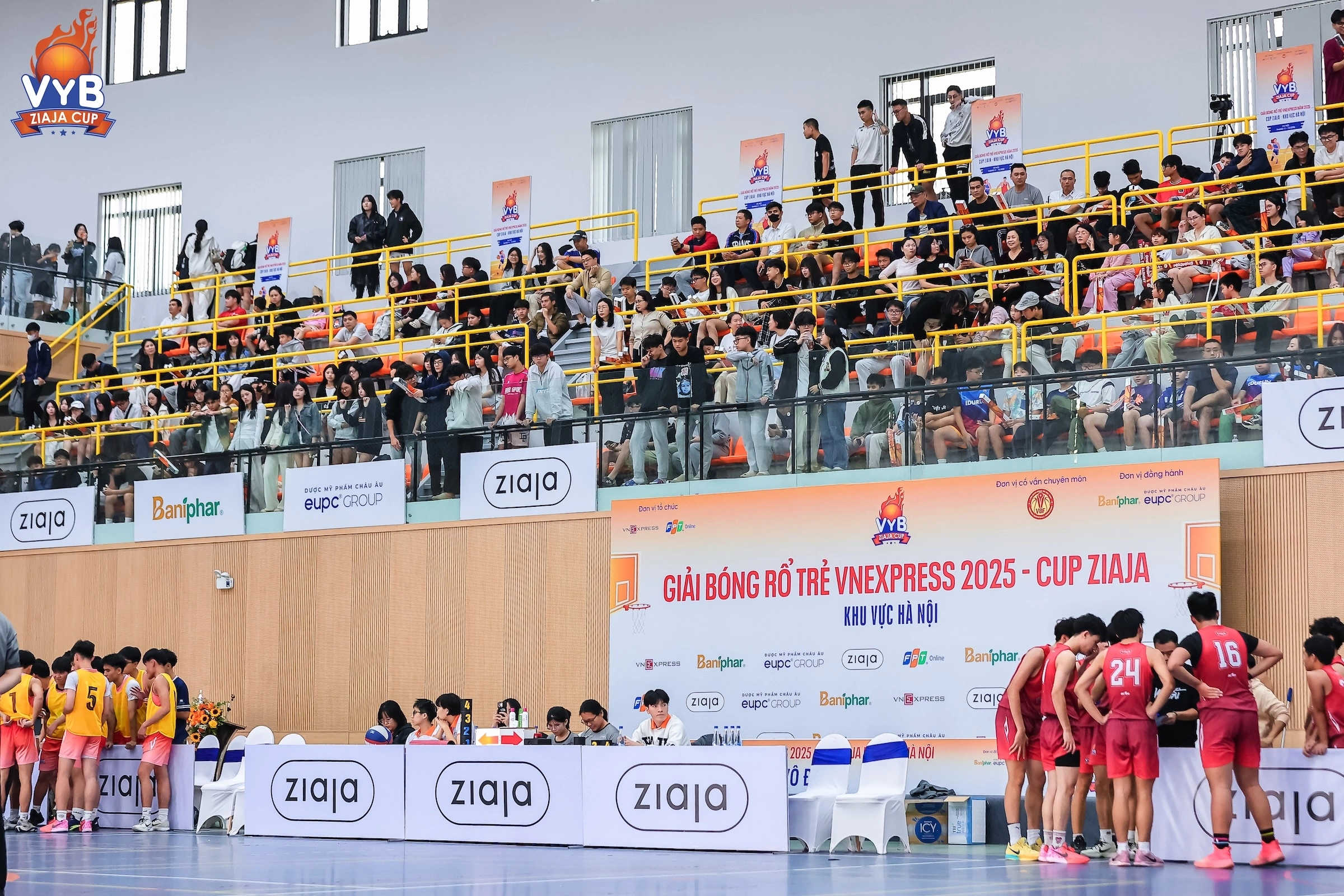
Spectators filled the stands at the Hanoi Children’s Palace during the boys’ final.
The second model relies on private-sector support, with media organizations and businesses contributing funding, organization and promotional
capacity. Read Youth Basketball 2025 – Ziaja Cup follows this approach. Organizers say this model helps supplement limited public resources
and enables additional activities beyond competition.
Linking school basketball with adolescent health education
School sports programs increasingly consider the needs of students aged 15–18, a period characterized by rapid physical and psychological
development.
The World Health Organization notes that habits related to sleep, nutrition, exercise and self-care during this stage can influence emotional
well-being and social interaction.
UNICEF has also highlighted adolescents’ sensitivity to peer influence and digital environments, underscoring the importance of supportive
settings for developing healthy routines.
Research on adolescent body image reflects these concerns. A systematic review found weight dissatisfaction rates among adolescents aged 10–19
ranged from 18% to 56.6%, with some studies reporting higher rates among girls. Other studies have linked body image dissatisfaction to
anxiety-related symptoms and longer-term mental health outcomes.
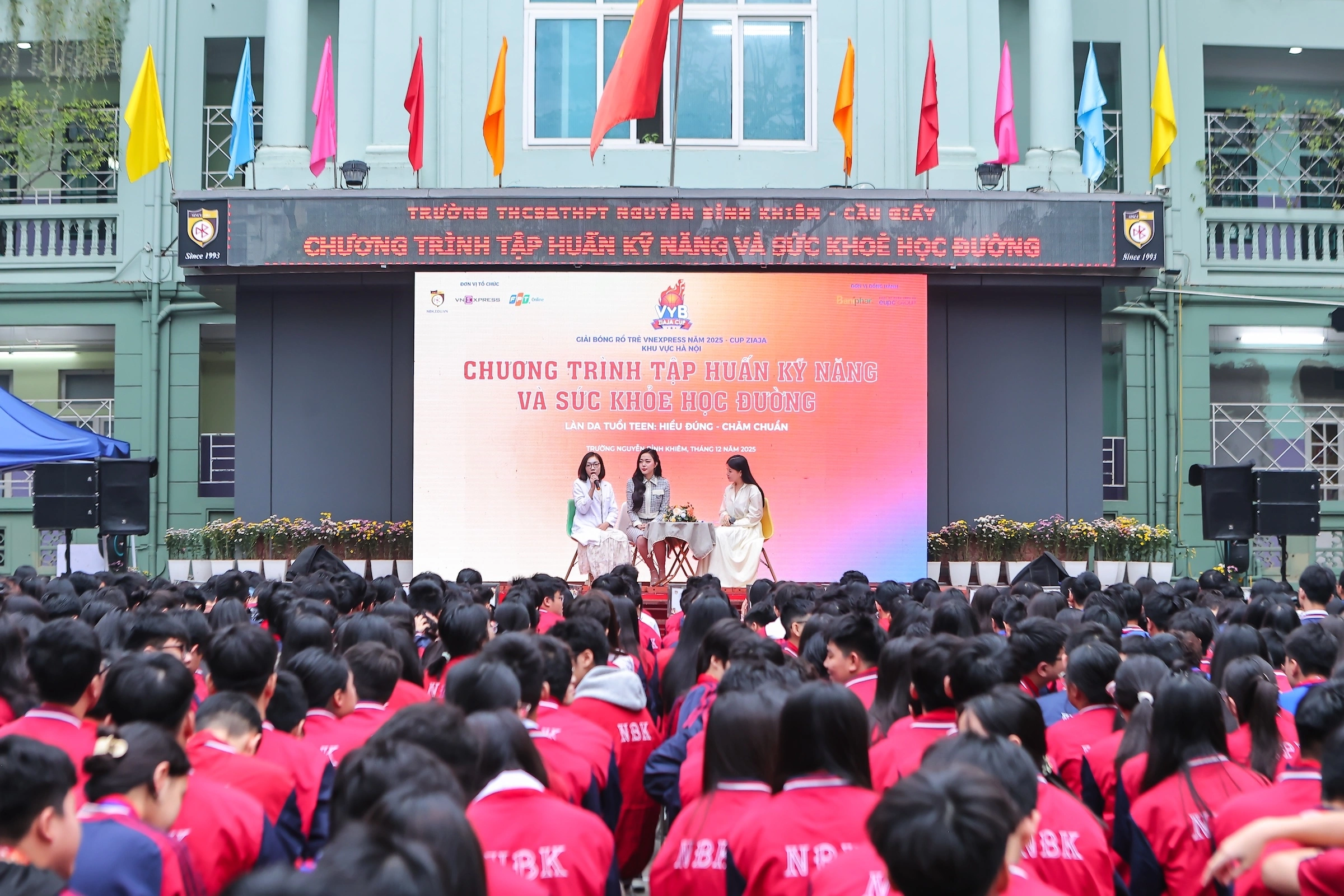
Against this context, the 2025 tournament included School Tour programs held on school campuses. These sessions combined basketball skills
training with discussions on health-related topics, featuring exchanges with experts and guest speakers alongside on-court activities.
From 2024 to 2025, the School Tour program visited nine schools across Hanoi and Ho Chi Minh City. In the 2025 season, activities were held at
Nguyen Binh Khiem High School after the semifinals and at Phan Dinh Phung High School following the finals.
A representative of sponsor Ziaja said the company aimed to support students during a period of significant change, noting that alongside
physical activity, adolescents also benefit from access to health-related knowledge and guidance on daily habits.
This approach expanded basketball beyond the court, linking it with age-appropriate education. Alongside exercise needs, issues such as daily
routines and appearance care are also key concerns for teenagers, but there are limited spaces for open learning and discussion.
From 2024 to 2025, the School Tour visited nine schools across two regions. In 2024, the program ran at five schools in Hanoi; in 2025, it
expanded to two schools in Hanoi and three high schools in HCMC.
In the 2025 season, School Tour was held at Nguyen Binh Khiem High School after semifinals and at Phan Dinh Phung High School after finals,
attracting large student participation.
Ziaja representative said the company’s role went beyond sponsorship, aiming to support students during the period of significant change.
Along with exercise and communication, students also need health-care knowledge, from skin care to daily habits.
Providing space for student expression
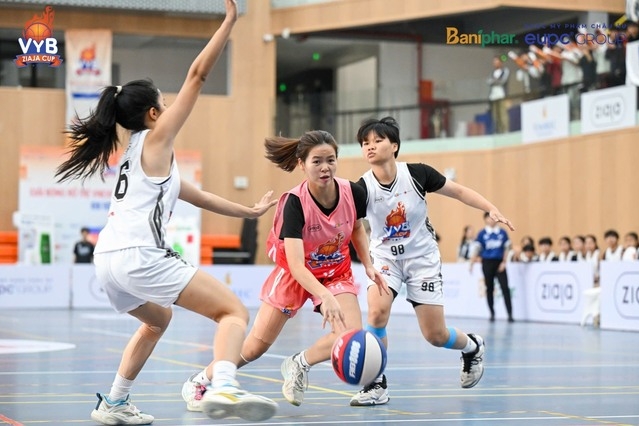
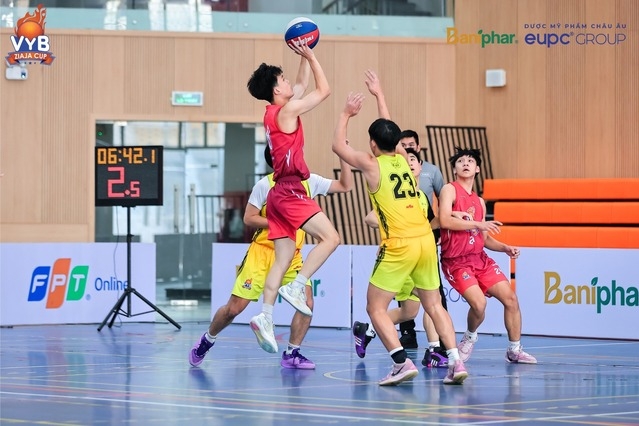
The finals of the Read Youth Basketball 2025 – Ziaja Cup highlighted competitive intensity, with close scorelines emphasizing tactical
discipline and team coordination. Individual performances under pressure were also notable.
Beyond competition, organizers observed that student identity was expressed through off-court activities, particularly on social media.
According to Vanesa Perez-Torres, a psychology researcher at Rey Juan Carlos University in Spain, adolescents often seek self-expression and
recognition through digital platforms.
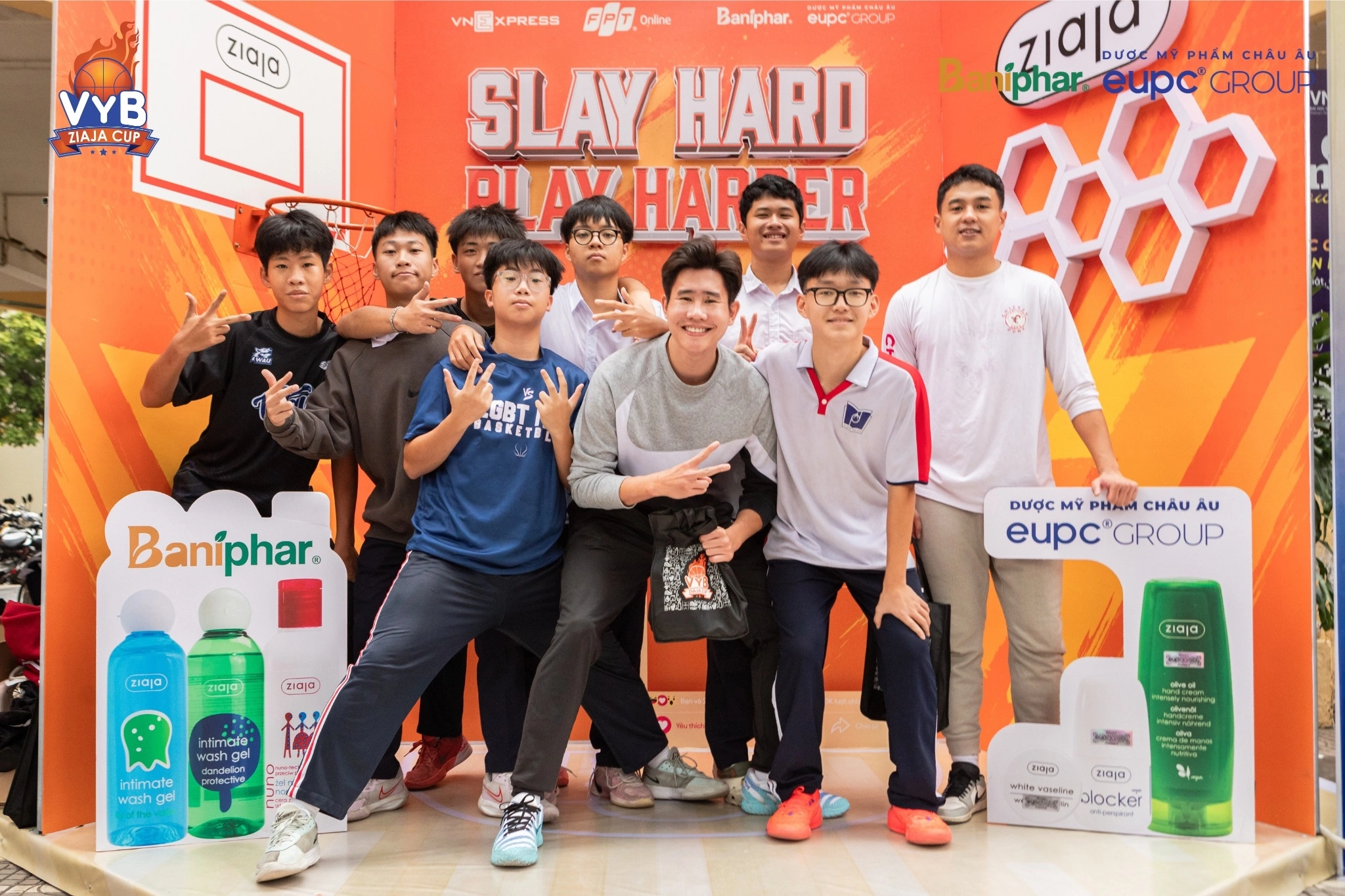
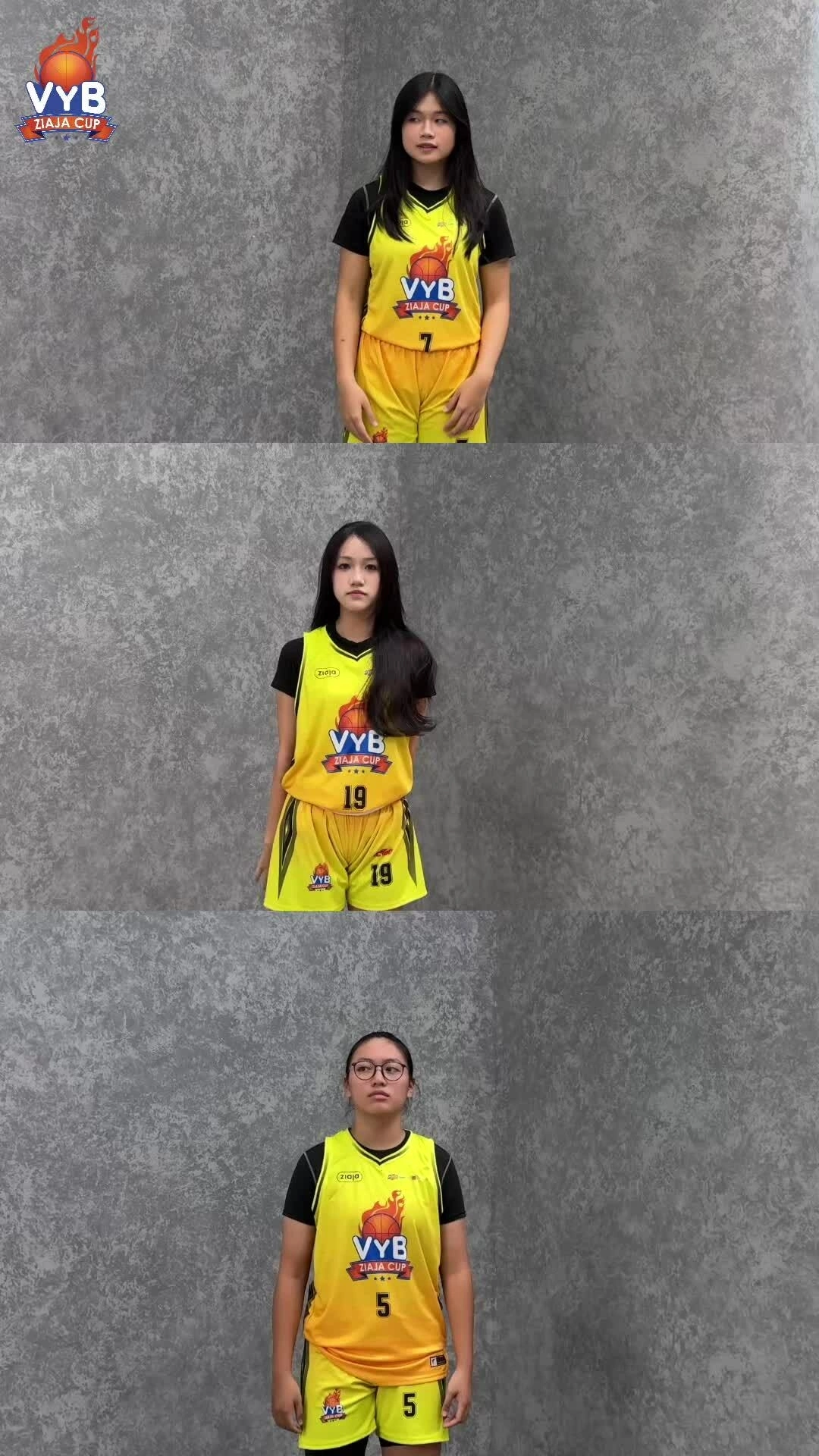
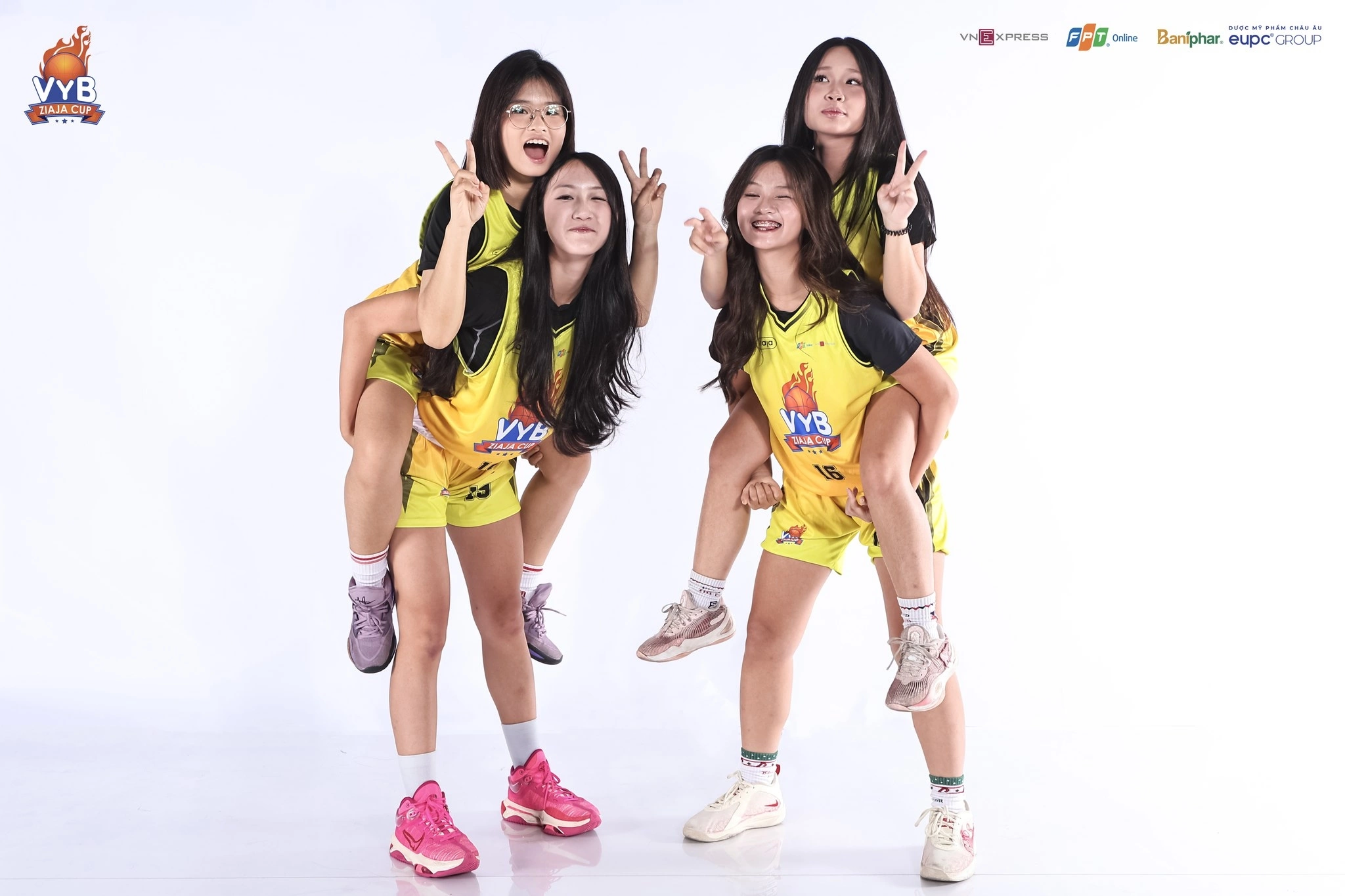
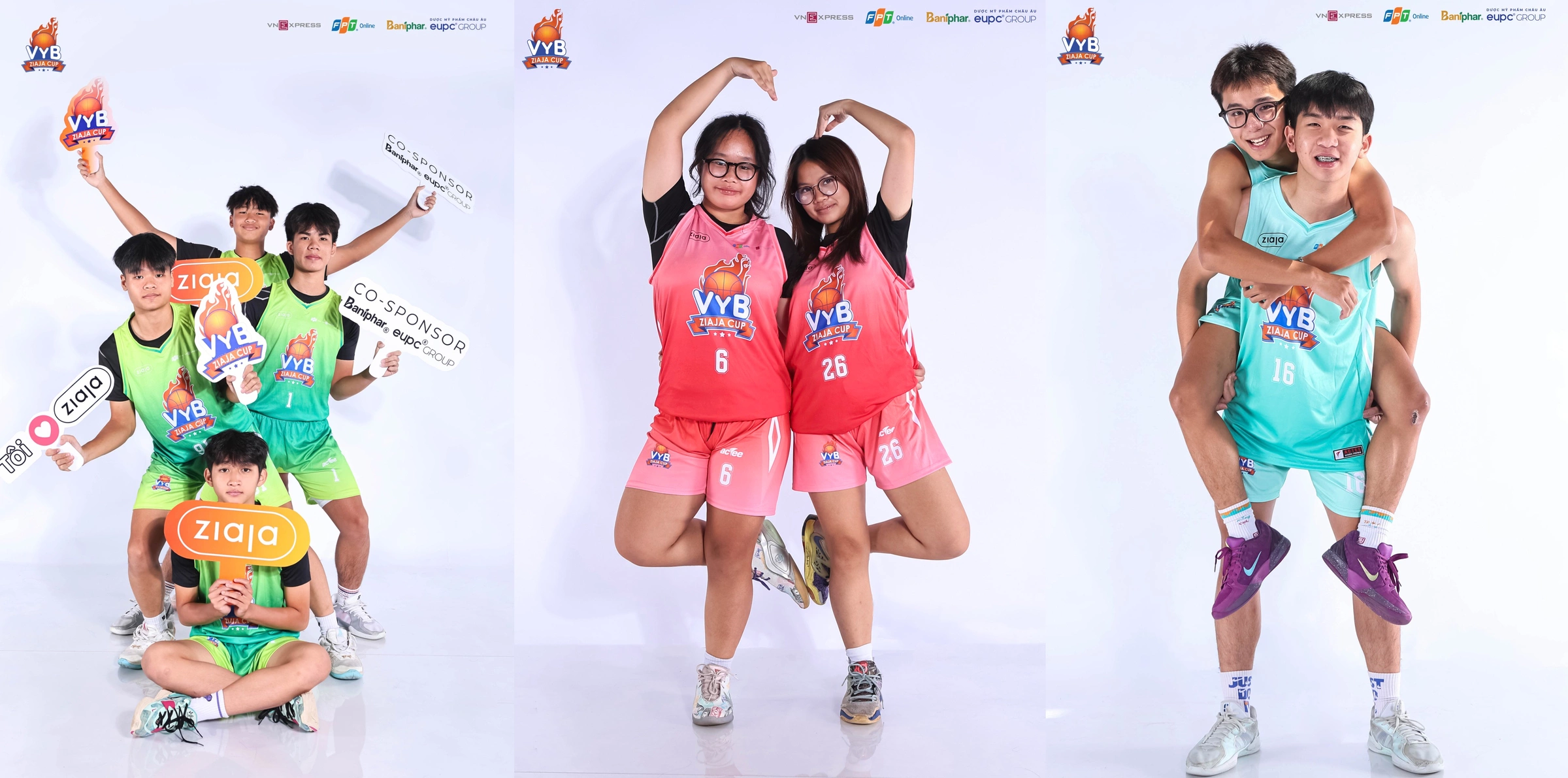
To support this, the tournament organized a Media Day, featuring individual portraits, team photos, and small-group photo sessions. According
to organizers, the activity allowed students to present their sporting identity and personal style in formats familiar to their age group.
Media Day took place before the group stage and was intended to build engagement among participating teams. Students shared photos and short
videos introducing themselves and their teams, often highlighting school colors and team culture.
Organizers described the tournament as the result of cooperation between media organizations, businesses, and professional sports bodies.
Read Youth Basketball – Ziaja Cup was organized by Read and FPT Online Service Joint Stock Company, with the Vietnam Basketball
Federation serving as professional patron.
Read provided event coverage, publishing articles, photos, and videos documenting the tournament. Organizers said this content reached a
broad audience, including students and families. Social media platforms associated with the tournament recorded high engagement levels throughout
the season.
Ziaja supported expanded activities such as the School Tour program, while the VBF oversaw technical aspects including regulations and
officiating.
According to organizers, the involvement of multiple stakeholders enabled the tournament to operate more systematically and offer a broader
range of experiences for students. Beyond competition results, the event aimed to contribute to school sports as part of the wider educational
environment, supporting physical activity, personal development, and student engagement.
Across social media platforms, the tournament fanpage network recorded hundreds of thousands of interactions from about 200 posts, along with
millions of views. Media Day alone produced 30 “transformation” clips and 36 sets of individual and group photos, with about 500 students
changing profile pictures.
Dermocosmetics brand Ziaja helped expand tournament activities through School Tour program. VBF served as professional patron, overseeing
regulations, refereeing and operating procedures to ensure fairness and credibility.
With media, business and professional partners involved, the tournament gained more resources to run more systematically and build a broader
ecosystem for students. Participants not only competed but also received self-care knowledge and had space to express identity in a positive
way.
More importantly, this model pointed to a new approach to school sports. The tournament went beyond on-court results to become part of the
education environment, meeting high school students’ needs for exercise, personal development and connection.
Hai Long
Photos: VYB

Comments are closed.