


Highlights
- Noise-cancelling smart glasses combine AI, directional audio, and subtle design for hands-free everyday use
- Noise-cancelling smart glasses reshape commuting and hybrid work without isolating users from their surroundings
- Noise-cancelling smart glasses signal a shift toward invisible, socially acceptable wearable technology
For a long time, wearable tech was obsessed with visibility. The watches got bigger, the earphones got louder, and the augmented reality headsets were dressed up as everyday accessories, only to be seen as full sci-fi props. By 2025, the trend is going to be totally inverted. The new generation of wearables is going to be unnoticeably designed, not to grab attention but to merge seamlessly with the surroundings.
Noise-cancelling smart glasses are the epitome of this change. They seem, at first glance, to be just regular glasses. However, inside their rims, there are directional speakers, microphones, AI aides, and active noise control systems intended for people commuting, working remotely, or living in cities who want tech on their terms without the social friction of headphones or large headsets.
The question has shifted from how cool the smart glasses are to whether they are actually going to be used at last.
What Makes Smart Glasses “Smart” in 2025
Most of the current smart glasses focus on audio intelligence, unlike previous experiments, which primarily centered on visualization and augmented reality. They are not providing visuals to the user; on the contrary, sound is being directed to the user via open-ear speakers that are built into the glasses’ temples. This system enables users to listen to music, receive telephonic conversations, hear navigation prompts, or get AI answers while still perceiving the outside world partially.
Active noise cancellation in smart glasses is different from the procedure used in headphones. These systems do not block the ear but rather use directional audio and selective noise suppression to diminish the background distractions in a way that still allows the users to notice their environment. The outcome is not deafening silence but rather the ability to control one’s attention, which is especially advantageous in places like trains, offices, and busy streets.
Voice assistants are the main aspect of the experience. The user can be a speaker and can also use a microphone, send messages, ask for directions, or keep track of appointments all hands-free, transforming the glasses from an entertainment device to a lightweight productivity tool.
Leading Models and Design Philosophy
The audio-focused eyewear company Bose was the first to come up with a very high-end concept and thus later reaped the benefit of the tech-savvy market. The Meta’s Ray-Ban smart glasses, which were the first in a category that mostly came from tech’s backstage, were less focused on the technical side but more on fashion or social acceptance. Newcomers have been adopting the more advanced AI functionalities along with better microphones and longer battery life.
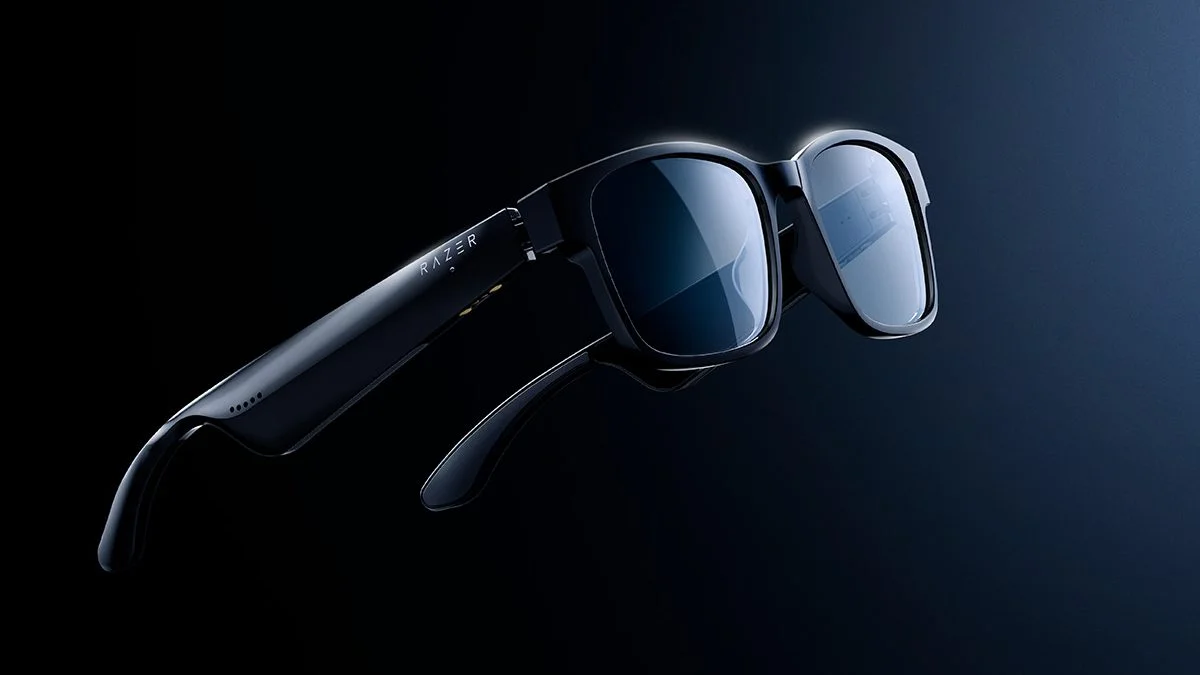
Design has been the key factor. The first wave of smart glasses ended up mainly because they were too loud about being gadgets. At the same time, the current ones are super quiet. The frames look like regular sunglasses or eyewear, and there are no electronics visible as they are well concealed to not attract attention.
This design limitation is in tune with a wider consumer tech pattern: the ideal devices are the ones that mingle with and adapt to the daily lives of the users, and at the same time, do not affect their social conduct. Smart glasses work well when they are not noticed.
Noise Cancellation Without Isolation
The traditional method of noise cancellation has aimed at the complete elimination of external sound, thus setting up a private bubble around the user. Smart glasses have taken a more elaborate approach. The ears are open, which makes complete isolation impossible, and this is the case with smart glasses, as they intend not to isolate the user from the environment.
The devices are engaged in a process of eliminating certain sounds and cutting off the low-frequency background noise, such as the traffic hum or crowd chatter, while letting the important sounds, such as announcements or vehicles approaching, be heard. All this makes the devices especially attractive for commuting, where awareness of the environment is a safety requirement.
For a lot of users, the balance is more natural than the use of earbuds. There is no feeling of pressure in the ear canal, no constant presence or absence, and no disconnection feeling from the environment. However, on the other hand, it also means that smart glasses are not able to provide the immersive silence of top-notch over-ear headphones.
AI Assistants: Quietly Becoming the Core Feature
Artificial intelligence has made it possible for smart glasses to move from being just a little extra to being a real necessity. Voice assistants take care of such tasks as summarizing notifications, reading messages, real-time language translations, and offering reminders based on the context.
In 2025, AI integration is no longer about the glamor of presentations but rather about ambient usefulness. Smart glasses are quick to respond to short prompts, and the information is delivered without the need for screens or any physical interaction. For the commuter who is juggling bags, phones, and tickets, this hands-free access is indeed liberating.
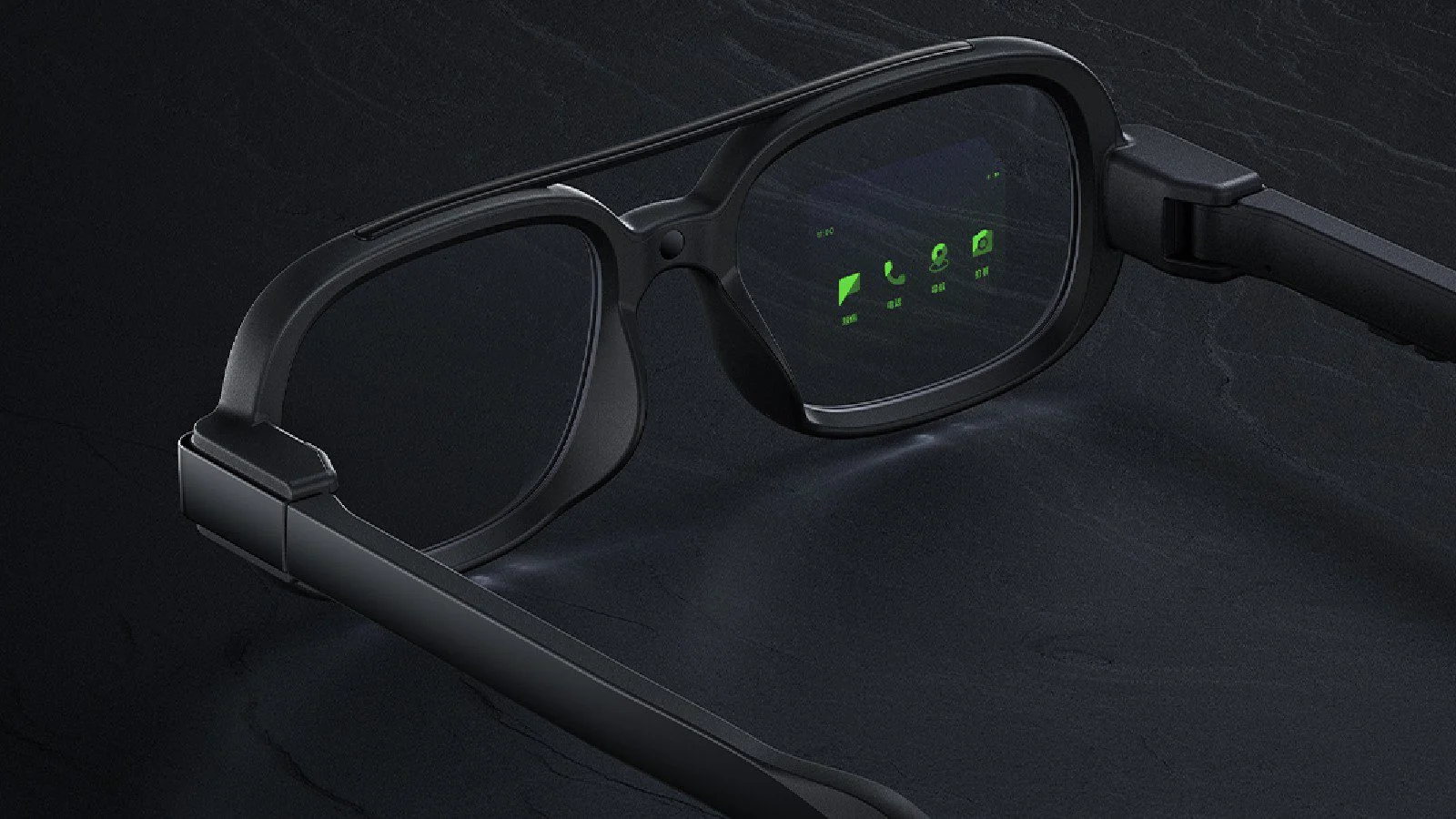
Still, there are big differences in AI capability from one model to another. Devices that are part of a mature ecosystem, like Google or Meta, get the most advanced natural language processing and cloud support, while other devices depend more on limited on-device processing, resulting in slower or less nuanced responses.
Use Cases: Where Smart Glasses Make Sense
The loudest and foremost case of noise-canceling smart glasses is commuting. Urban office workers spending hours on public transport find these smart glasses quite helpful as they can simultaneously listen to podcasts, receive calls, and get navigation prompts without looking like they are ignoring the surroundings.
Remote workers and hybrid workers share the same benefits, and the largest part of these benefits is shared spaces. In these spaces, smart glasses enable users to have brief phone calls or concentrate on working without the visual cue of headphones that can sometimes be distracting in the midst of interaction.
Tourists can rely on discreet audio navigation and translation features to be the loudest and most aware of the places and people around them without attracting unwanted attention. Moreover, unlike smartphones, smart glasses do not require constant visual engagement, which in turn reduces screen fatigue and improves situational awareness.
Usability, Charging, and Limitations of Practice
In spite of their potential, smart glasses are still confronted with physical limitations. The size of the battery is restricted by the dimensions of the frame, thus making the battery life shorter as compared to that of headphones. The majority of models offer a battery life of about 3 to 6 hours of active use, which is sometimes not enough to cover the whole workday.
Another issue is comfort. Although the weight of the headset is less than that of the headsets, the smart glasses still add weight to the face and ears. Fitting becomes very important, especially for users who wear corrective lenses.
The sound quality is still not ear-deafening and is ranked after convenience. Directional speakers cannot perform well in extremely loud situations, and the clarity of the microphone can be compromised in windy conditions.
These limitations are reminiscent of a recurring truth in the world of wearable tech: the less performance you want, the more subtlety you have to face.
Privacy and Social Perception
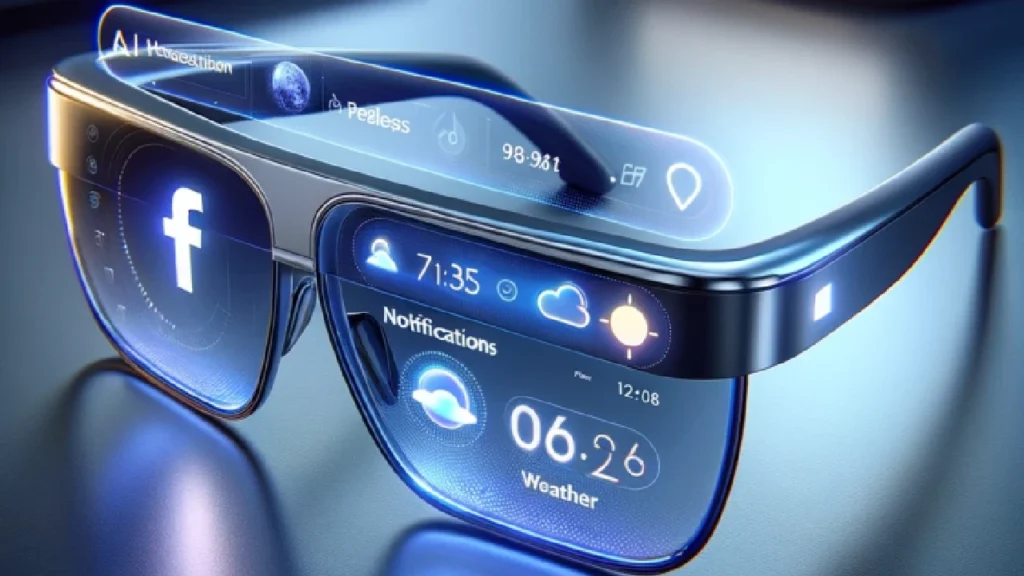
Privacy has long been an issue associated with the use of smart glasses, especially with those that come with microphones and cameras. There are times when people’s minds are not relaxed, even when there are no cameras or they are very conspicuous. The mere presence of a camera can be perceived as a deterrent in public areas.
Manufacturers have tried hard to alleviate this issue by being open about it, having strict regulations concerning data, and restricting the recording. However, social norms seem to be very different. Even if smart glasses are unobtrusive, they are still quite evident when it comes to people’s minds.
Paradoxically, the trait that attracts people to the device the most, i.e., integrating into normal eyewear, also creates ethical dilemmas regarding the consumers’ consent and the companies’ transparency.
Are Smart Glasses Ready for the Mainstream?
In 2025, the noise-cancelling smart glasses find themselves in a curious position on the spectrum of consumer electronics. They have been through the testing phase, but are still not yet a necessity. A few select users, like the regular commuters, multitasking, tech-savvy professionals, find it an attractive replacement to the already existing options of earbuds and headphones.
Nonetheless, they are not the primary devices but the secondary ones. Battery life, sound quality, and pricing are some of the reasons that will still keep them away from being completely adopted as traditional wearables.
It is quite possible that their acceptance will follow a slow and steady process rather than be characterized by widespread public display of support. With lighter and more stylish designs, AI being more efficient, and gradually changing social norms, smart glasses will quietly become as accepted as wireless earphones were during their early days.
Conclusion: Technology That Learns to Be Invisible
The noise-canceling smart glasses are a signal of the coming of age of wearable technology. Rather than demanding the user’s attention, they want to be part of the daily life gradually, and they will only help when the user requires it. Their dilemma of being so unobtrusive can be their biggest asset.
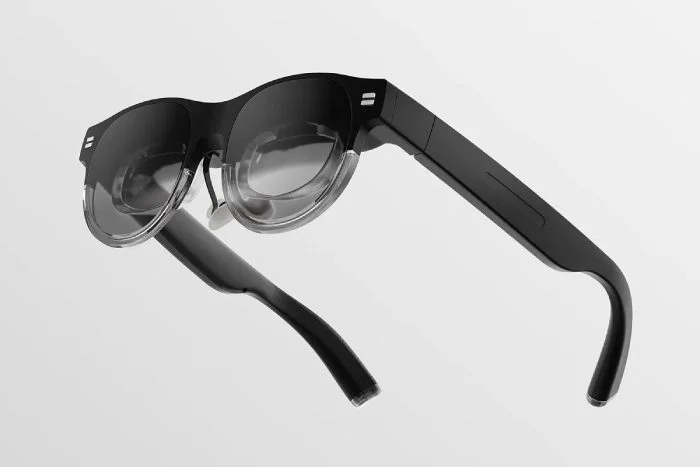
They are not talking about being immersed or showing off, but rather about being there, being connected without losing contact with the world. In this information-overloaded and notification-ridden time, that balance is becoming more and more precious.
Indeed, smart glasses will not quickly take over the market, but they are a sign of the future where technology complements rather than hinders human behavior. And in that silent revolution, they might finally carve out their niche.

Comments are closed.