
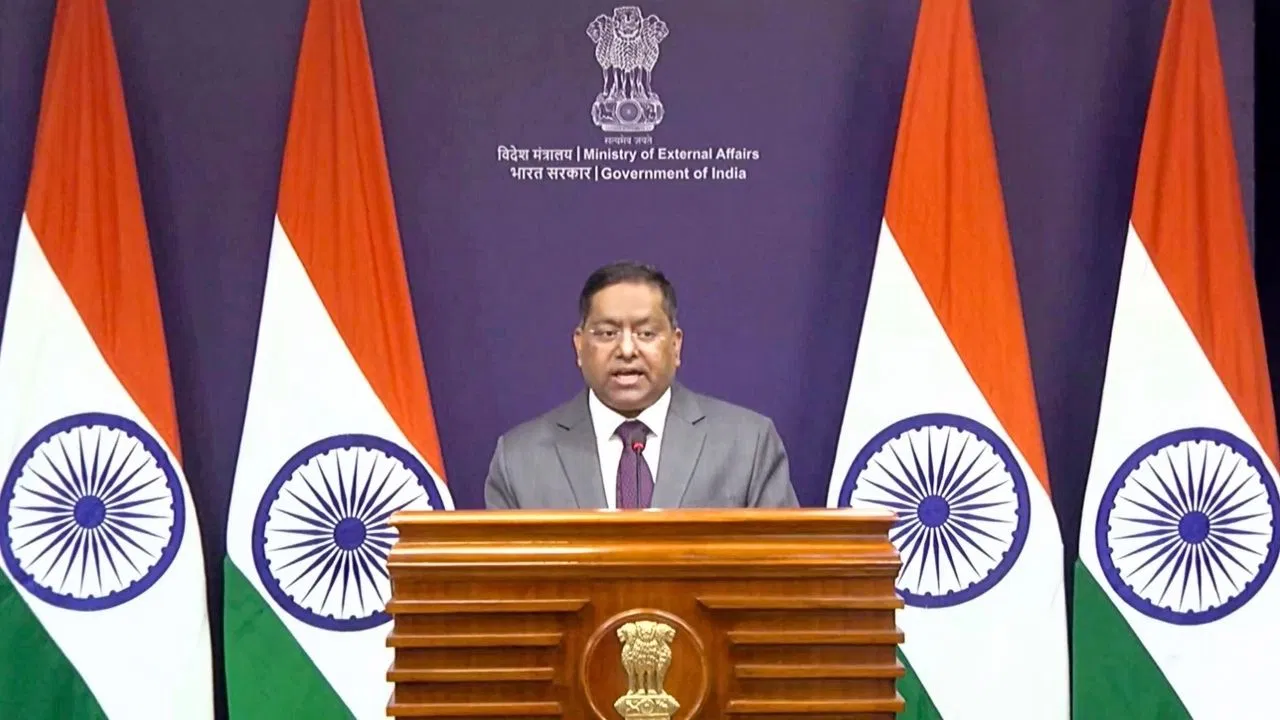

New Delhi: India has formally taken up the issue of widespread delays and cancellations of H-1B visa appointments with the United States, following mounting concerns over the hardships faced by Indian professionals and their families. The Ministry of External Affairs (MEA) confirmed that it is in continuous touch with US authorities in both New Delhi and Washington, DC, even as visa issuance remains a sovereign matter of the issuing country.
The disruptions have affected thousands of H-1B and H-4 visa applicants whose interviews were scheduled from December 15 onwards. Many applicants reported abrupt cancellations or rescheduling of appointments to much later dates, some of which were pushed to March or even May 2026, leaving them stranded in India and unable to return to their jobs in the US.
According to officials, the delays are linked to the US Department of State’s expanded “online presence reviews” and enhanced social media vetting for visa applicants worldwide. While the move is aimed at strengthening security checks, it has triggered significant uncertainty for Indian nationals, particularly those already employed in the US tech and services sectors.
MEA spokesperson Randhir Jaiswal said the government has received several representations from affected individuals and is actively engaging with the US side to minimise the adverse impact. “We are aware of the difficulties being faced by Indian nationals and remain in touch with the concerned authorities,” he said.
The situation has also raised alarms among US employers. Companies such as Google have reportedly advised their employees on H-1B visas to avoid international travel due to the risk of prolonged delays. Several workers have expressed anxiety over unclear guidance from employers regarding work arrangements, pay continuity, and legal status during extended stays abroad.
With Indian professionals forming a major share of the H-1B workforce, the issue has sparked broader concerns over mobility, job security, and the long-term implications of tightened visa scrutiny.

Comments are closed.