
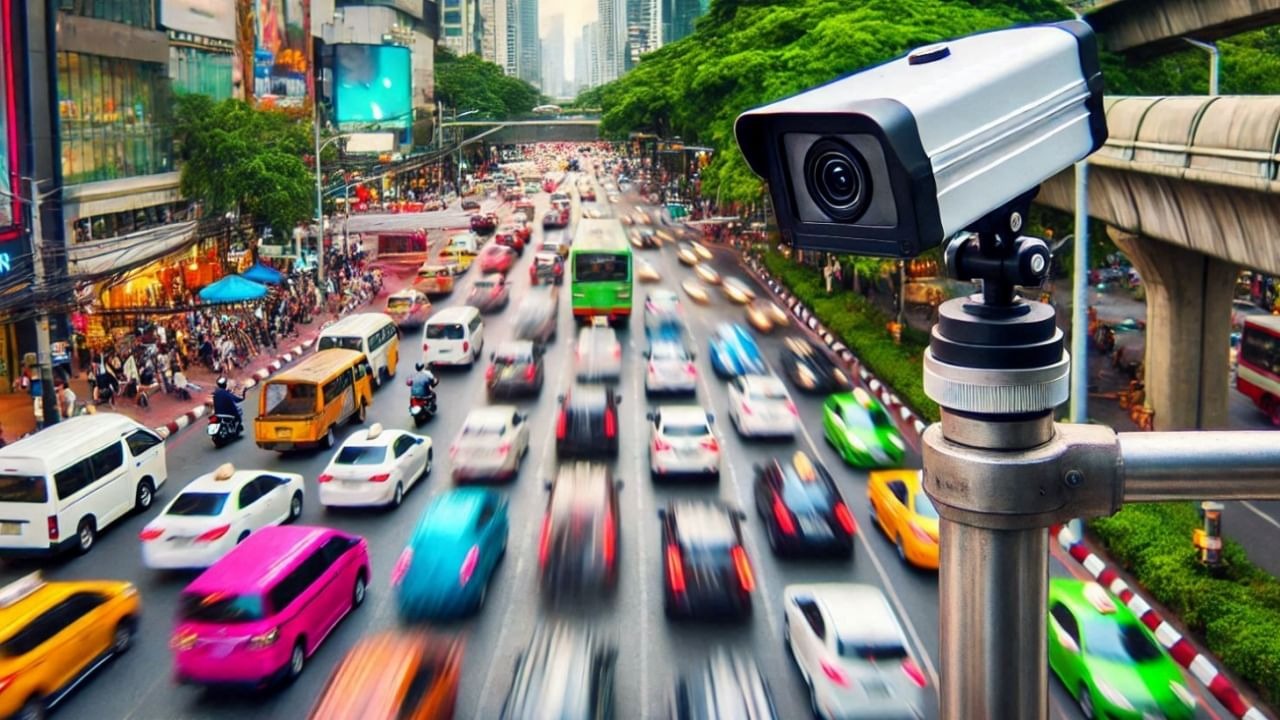
There are no cameras on the road, now thugs are issuing your challan on the phone. Know the scary truth about fake e-challan websites.

News India Live, Digital Desk: Nowadays, if a message comes on our phone that “challan has been issued for your vehicle”, we get nervous. Without thinking much, we click on the link given in that message so that we can pay the fine quickly and avoid legal complications. But do you know that this haste of yours can put you in greater danger than on the road? Nowadays, a big game of ‘Fake e-Challan Websites’ is going on in India. Fraudsters create a page that looks exactly like a government website and are preying on innocent vehicle owners. How is this web of deception woven? Scammers send you a message that looks exactly like the one sent by the Transport Department. It contains the vehicle number, penalty amount and a ‘Payment Link’ below. As soon as you click on that link, a site that looks like a government ‘Transport Service’ opens in front of you. The real danger starts here. As soon as you enter your banking details, debit card number or UPI PIN, your data goes directly to the fraudsters and within a few moments your hard-earned money is transferred to their account. How to recognize the difference between fake and real? It is not very difficult to identify these websites that are robbing thousands of people, you just need to be a little alert: Link Check carefully: The website of government challan always ends with .gov.in. If the link has .com, .net, .org or some strange characters (like bit.ly) written in it, then understand that it is 100 taka fake. Number sending the message: Official challan messages always come from a special ‘Service ID’ and not from a normal 10 digit mobile number. Checking the payment gateway: The government website will never ask you for UPI PIN in a hurry or pressure you for payment on any strange private wallet app. What is the surest way to avoid scams? If you ever receive such a message, do not use the link in that message. Instead, go to your browser and search for the official Parivahan e-Challan portal. Enter your vehicle number there and see whether any challan has actually been issued or not. Apart from this, you can also check your status by visiting ‘mParivahan’ or ‘NextGen mParivahan’ government app. In today’s digital era, vigilance is your security. Pay the challan, but not the bag of thugs. If any of your acquaintances has received such a message, then definitely share this information with them also.

Comments are closed.