
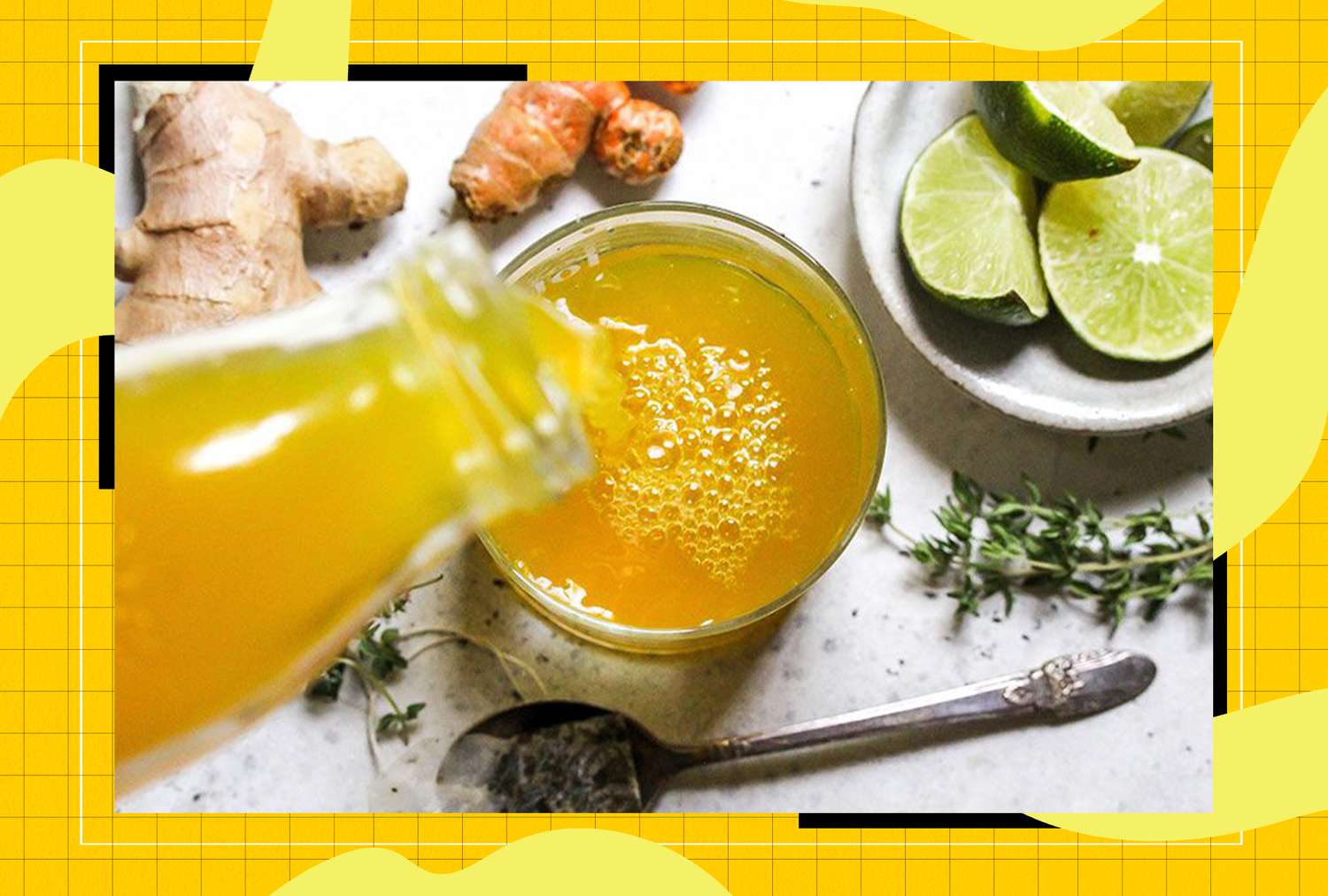

- Chronic inflammation is linked to heart disease, diabetes, joint pain, digestive issues and more.
- Some food pairings increase antioxidant benefits more than eating foods on their own.
- Other strategies like keeping a consistent sleep schedule and managing stress can help too.
Inflammation gets a bad rap—and sometimes for good reason. At its core, and in acute situations, it’s simply the body’s natural immune response. When it becomes chronic, though, the body’s alarm system stays switched on, and that becomes problematic. “Chronic inflammation is a slow, ongoing stress on the body,” explains Kathleen Benson, CSSD, CPT, RDN“and it’s been linked to heart disease, type 2 diabetes, joint pain, digestive issues and even low energy or brain fog.”,
But here’s the good news: Food really can help dial that internal alarm back down—and some nutrients work even better when they have a partner (or two). When combined, certain antioxidants become fully activated, more stable or are absorbed more efficiently. Ahead, you’ll find four effortless anti-inflammatory combos that harness these organic interactions so you reap the benefits. Think of them as simple upgrades or adjustments to ingredients you’re likely already using.
1. Turmeric, Black Pepper & Healthy Fat
Turmeric gets a lot of attention for its anti-inflammatory benefits. Its main compound, curcumin, has been shown to support antioxidant activity and help regulate key inflammatory pathways. The challenge? Curcumin is tough for the body to absorb on its own.
That’s where the nutrient partnership comes in. “Black pepper significantly improves absorption, and adding fat helps the body take it up and use it more effectively,” says Benson. Research shows that piperine, the active compound in black pepper, is one of the most effective natural ways to boost curcumin bioavailability by more than fourfold., Because curcumin is fat-soluble, pairing it with a healthy fat, like olive oil, avocado or coconut oil, also furthers its uptake. Together, this trio helps your body get far more benefit from the turmeric you’re already using.
How to Use It: Start a curry, dal or soup by warming turmeric, black pepper and olive or coconut oil together with any aromatics and additional spices. Benson also recommends the classic Indian drink haldi doodh, which she calls “golden milk with turmeric, black pepper and coconut oil.” You can also roast vegetables and legumes, like cauliflower, carrots and chickpeas, with the three ingredients and eat them as a side, or sauté added veggies in the combo and add them to savory breakfast scrambles, advises Benson.
2. Green Tea & Ginger
If you’re already brewing a morning green tea, this upgrade takes just seconds. Green tea is naturally rich in catechins, a type of antioxidant shown to support cardiovascular and metabolic health and help defend the body against oxidative stress (one of the processes that can contribute to inflammation)., Ginger, on the other hand, offers its own anti-inflammatory benefits thanks to compounds like gingerols and shogaols. But the real magic happens when you pair the two.
“Green tea and ginger both help calm inflammation in the body, but they do it in slightly different ways,” explains Benson. “Green tea supports the body’s natural defenses against oxidative stress, while ginger helps reduce everyday inflammation” and may ease symptoms associated with it, like discomfort, stiffness and pain., Combined, Benson adds, they offer tag-team support for your overall health. Preparation is simple, too. Brew green tea with hot (not boiling) water, add fresh ginger slices or grated ginger, and sip.
How to Use It: Sip it hot, or brew and chill for an iced version. For a mocktail vibe, combine the cooled green-ginger tea with lemon juice and a splash of orange juice, then top with sparkling water. You can also blend matcha (a more concentrated form of green tea) with ginger, yogurt and berries for a smoothie.
3. Garlic & Onion
You’re probably already cooking with garlic and onions for flavor, but here’s the bonus: They’re also building your anti-inflammatory defenses with every sauté. “Garlic and onions belong to the same plant family and contain natural compounds that support the body’s anti-inflammatory defenses,” says Benson. “Together, they deliver a broader mix of protective plant compounds than either one alone.”
For example, garlic contains organosulfur compounds like allicin, which form when the garlic is chopped or crushed and alliinase becomes activated. Onions are rich in quercetin, a flavonoid with antioxidant and anti-inflammatory properties. Both compounds help reduce inflammation by targeting different pathways in the body, which offers a wider range of anti-inflammatory benefits. This combination is another great example of the whole being greater than the sum of its parts.
How to Use It: You’re likely already cooking with this dynamic duo. But here’s a tip to amplify the benefits: During prep, Benson suggests chopping or crushing garlic and letting it rest briefly before heating. This allows the beneficial compounds to become activated. Cook them gently to preserve their effects. You can build flavor and anti-inflammatory benefits by sweating onions and garlic in olive oil at the start of soups, stews, sauces and braises. Roast them with other vegetables or blend them into dips and sauces.
4. Dark Chocolate & Berries
If you’re looking for a sweet pairing that’s also anti-inflammatory, make dark chocolate and berries your go-to. Dark chocolate (at least 70% cacao) is rich in cocoa flavanols, like epicatechin, while berries are packed with anthocyanins., These antioxidants belong to different families and work in complementary ways.
“Dark chocolate and cacao support healthy blood flow, while berries provide colorful plant compounds that help protect cells from daily wear and tear,” says Benson., Enjoying them together gives you the fat-associated flavanols from cocoa plus the water-soluble anthocyanins and vitamin C from berries. These compounds work together to reduce inflammation, improve vascular function and support beneficial changes in gut microbiota metabolism through their polyphenol interactions.,, “Together, they create a wider range of antioxidant protection than either would on its own,” Benson notes.
How to Use It: For a delicious breakfast bowl or snack, mix Greek yogurt with cacao powder and a handful of mixed berries, or top it with ½ ounce chopped 70% or higher dark chocolate. Want to make it ahead? Stir grated dark chocolate (or cocoa powder) and frozen berries into your rolled oats, then chill overnight. For a nutritious dessert, make dark chocolate–berry bark by melting dark chocolate, spreading it thinly on a parchment-lined sheet pan, and scattering it with freeze-dried berries and chopped, toasted nuts. Then chill and break it into pieces. Yum!
Other Tips for Reducing Inflammation
These food pairings are powerful, but a few simple lifestyle upgrades can take you even further. Here are four research-backed anti-inflammatory strategies that pair perfectly with the food combinations above.
- Consistent sleep schedule: It’s not just about getting enough sleep—your schedule matters too. “Going to bed and waking up at similar times each day may help regulate immune signaling and reduce inflammatory stress hormones,” says Benson. Research shows that people with irregular sleep schedules tend to have higher levels of inflammation, even when they get enough total sleep., According to James (J.R.) Oliver, M.S., CWWS, RDN“The impact of irregular sleep schedules is due to the misalignment with our natural circadian rhythms, which play a direct role in immune system regulation.”
- Spend time outdoors: Nature isn’t just good for your mood; it’s good for your immune system, too. Exposing yourself to nature “has been shown to lower stress-related inflammation by calming the nervous system (activating the parasympathetic nervous system) and reducing cortisol levels,” says Benson. Studies also link time in green spaces with lower inflammation markers, partly because nature reduces stress reactivity. “From a psychological point of view,” says Oliver, “time spent in green spaces seems to help reduce rumination, or that repetitive, passive dwelling on stressful events, thoughts, etc.” This, in turn, “helps to dampen stress-induced immune activation and can lower inflammation.”
- Manage chronic stress: If you’re looking for a sign that you need to slow down, this is it. Long-term stress keeps “the body in a low-grade ‘alarm’ state, which increases inflammatory markers over time,” Benson explains. “The longer chronic stress goes on, especially emotional stress,” explains Oliver, “the harder it can be for the body to dial down the inflammatory response.” This happens because chronic stress reduces our sensitivity to naturally occurring steroids that help keep the immune system calm. Thankfully, he says, “improvements in emotional regulation through a variety of interventions [like deep breathing and journaling] can help reverse this.”
- Increase fiber intake: It’s no surprise that eating more dietary fiber, especially soluble, fermentable types found in foods like oats, beans, lentils, apples and vegetables, helps bolster a healthier gut microbiome. What that means, practically speaking, is that when gut bacteria break down fiber, they produce short-chain fatty acids (SCFAs) like butyrate that help strengthen the gut lining, support healthy immune function and calm inflammation in the body, to name a few benefits.
Meal Plan to Try
7-Day Anti-Inflammatory Meal Plan for Beginners, Created by a Dietitian
Our Expert Take
Talking about inflammation can feel overwhelming, but the most effective strategies are often the simplest. Start with just one pairing this week—maybe add a pinch of black pepper to your golden milk, or swap your afternoon snack for Greek yogurt topped with berries and dark chocolate shavings. Then, start to work on spending time outside or modifying your sleep routine. These small upgrades can add up quickly, and within a few weeks, you might even notice a difference in how you feel. Think more energy, less stiffness, better focus and more.

Comments are closed.