


Highlights
- Open-source AI is making powerful tools affordable for students, startups, and small businesses
- Proprietary AI offers polished experiences but often at recurring costs
- Middle-class users now indirectly choose sides through apps, pricing, and privacy
- The future of AI may depend on collaboration more than competition
Open-source AI models (e.g., LLaMA, Mistral, Falcon, etc.) have the unique characteristic of being publicly available, allowing developers to create and manage their own custom builds based on them.
Proprietary models (such as ChatGPT and Gemini) are locked away and can only be used by their owners. However, since they are not publicly available, you cannot change or modify them; you can only use them.
It affects:
- How much do you pay for AI tools
- Whether your data stays private
- How fast innovation reaches everyday users
Why should a non-technical, middle-class person even care about this difference?
Why Open‑Source AI Matters for Middle‑Class Users and Daily Life
Open-source AI quietly powers many tools people already use, often for free or at lower costs.
Think about:
- A local shop is using an AI chatbot on its website
- A student using AI offline without paying monthly fees
- A freelancer running AI tools on a basic laptop
Because open-source models:
- Don’t always require subscriptions
- Can be hosted locally (saving cloud costs)
- Encourage affordable alternatives to premium tools
If open source is so beneficial, why do proprietary AI tools still dominate?
Why Proprietary AI Still Wins for Convenience and Ease of Use
Let’s be honest, tools like ChatGPT and Gemini are easy, polished, and powerful.
They win because:
- No setup required
- Better user interfaces
- Faster updates and reliability
For many users, time is money. A teacher, marketer, or small business owner may happily pay $20/month for something that “just works.”
If you need AI right now with zero technical effort, proprietary tools save mental energy.
But here’s the trade-off:
- You rely on one company
- Prices can increase
- Features can be restricted
So, does open-source AI slow innovation compared to big companies?
Surprisingly, no, and here’s why.
How Open‑Source AI Is Driving Global Innovation and Accessibility
Open-source AI thrives on global collaboration.
Developers from:
- India
- Europe
- Africa
- Southeast Asia
- The US
…all improve the same models. This leads to:
- Faster bug fixes
- Better language support
- More inclusive AI
Models like LLaMA and Falcon are being adapted for local languages, regional education tools, and low-cost healthcare solutions.
India’s role:
Indian startups and researchers are actively building AI tools using open-source models – especially for education, customer support, and small businesses. A regional ed-tech platform can fine-tune an open-source model for local exams, avoiding high licensing fees.
If collaboration is so strong, where does competition come in?
Let’s talk about that tension next.
Collaboration vs Competition: The Real Power Struggle in Open‑Source AI
This isn’t a clean “good vs bad” story.
- Open-source AI pushes transparency and affordability.
- Proprietary AI pushes performance and polish.
Ironically, they fuel each other.
Big companies:
- Study open-source breakthroughs
- Improve their closed models
Open-source communities:
- Learn from proprietary UX standards
- Optimize for efficiency
This competition benefits everyday users by:
- This competition benefits everyday users by:
- Driving down costs
- Increasing features
- Improving safety
But what about data privacy and control for ordinary people?
AI Data Privacy: A Growing Concern for Everyday and Middle‑Class Users
For middle-class families and professionals, data privacy is becoming personal.
Proprietary tools:
- Often process data on cloud servers
- May store or analyze user inputs
Open-source AI:
- Can run locally
- Gives more control over sensitive data
Many small businesses, including clinics, tutoring services, and HR consultants, can take advantage of open-source artificial intelligence without risking their clients’ most sensitive information being sent to a third-party server.
Therefore, if a small business prioritizes data security over convenience, it will likely achieve a higher level of protection with open-source AI than with other forms of AI.
However, does that mean every user should adopt open-source AI? Well, not really.
Let’s see why.
Open‑Source vs Proprietary AI: Choosing What’s Right for You
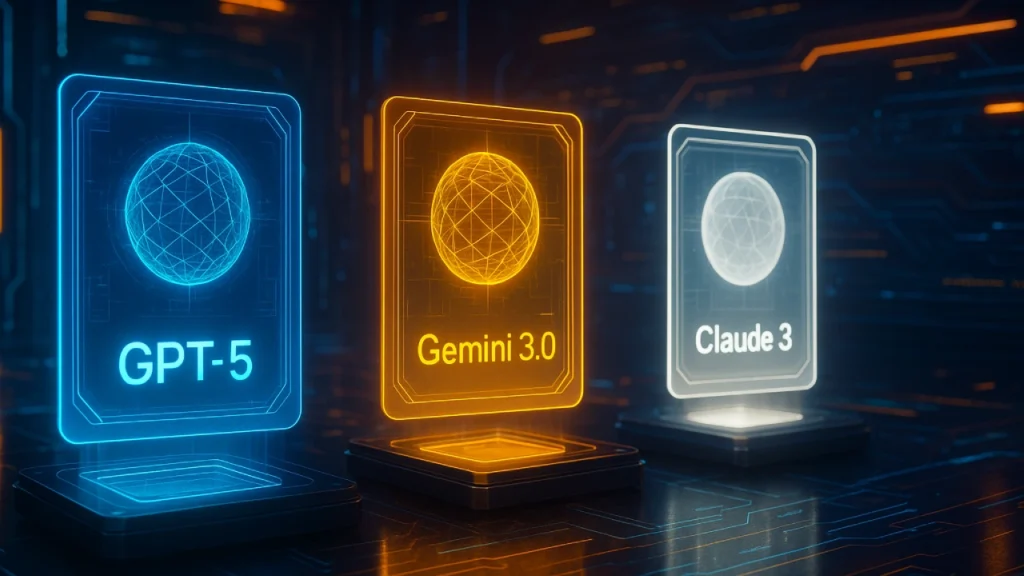
For most people, the future is hybrid.
- Proprietary AI for quick tasks and creativity
- Open-source AI for cost-saving, customization, and privacy
Example:
A content writer might:
- Use ChatGPT for brainstorming
- Use an open-source AI tool for bulk content or internal workflows
This balance helps:
- Freelancers manage budgets
- Small businesses scale gradually
- Middle-class users avoid oversubscription.
So what does the future look like for open-source AI globally and in India?
The Future of Open‑Source AI in 2025: Global and Indian Outlook
Globally, open-source AI is becoming:
- More user-friendly
- Better optimized for low-cost devices
- More language-inclusive
In India:
- Growth in AI startups using open-source foundations
- Strong focus on education, governance, and SMB tools
For ordinary people, this means:
- More affordable AI access
- Less dependence on big tech monopolies
- Greater digital empowerment
Final Thoughts
The evolution of open-source AI is a tech trend as well as a social shift.
When collaboration grows, innovation spreads, prices drop, and everyday users gain control.
Whether you’re a student, freelancer, small business owner, or marketer, this shift directly affects
- Your costs
- Your privacy
- Your opportunities
What do you think – Should AI be open for everyone or controlled for quality?

Comments are closed.