

Highlights
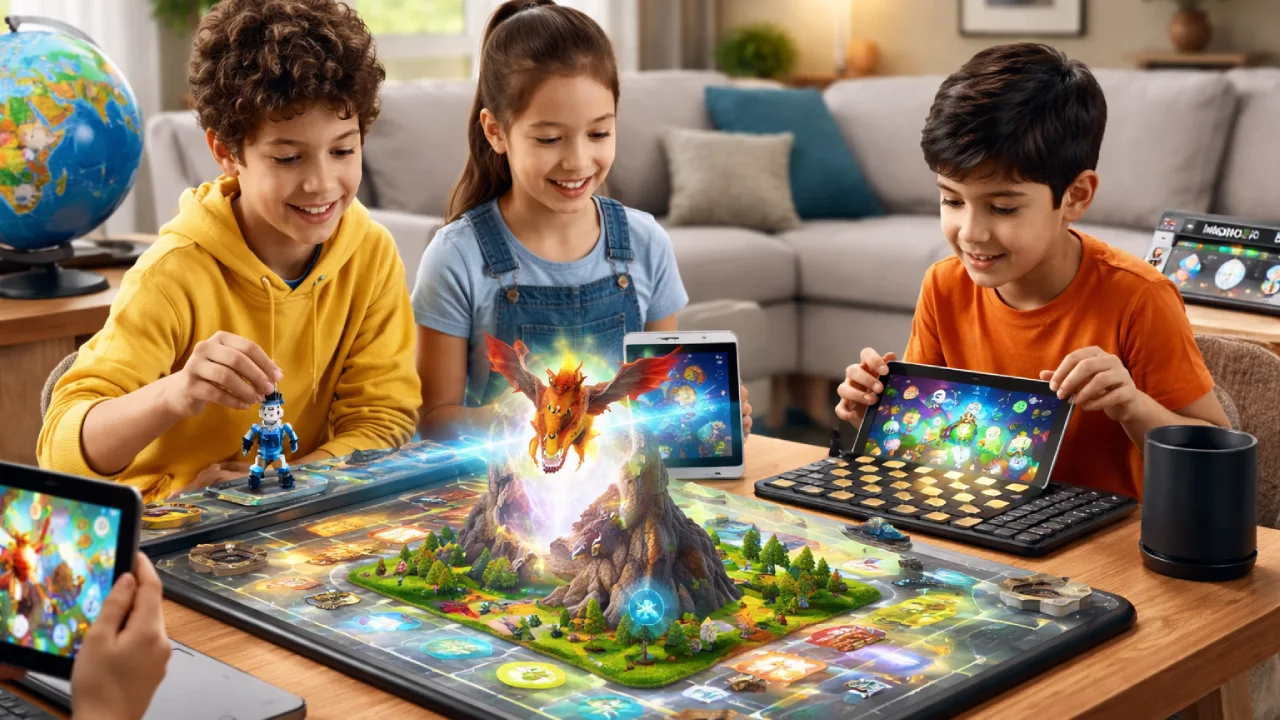
- Smart board games combine traditional play with AI and AR technology, transforming how children learn and interact.
- They promote STEM skills, creativity, and social learning while reducing excessive screen time.
- India’s edutainment market is booming, with brands like Smartivity and PlayShifu leading the way in innovation.
- By 2025, these games will bridge the gap between digital play and hands-on learning, making education more engaging and fun.
For generations, board games have been a family pastime that has been educating about logic, patience, and teamwork. However, today’s children are being raised on tablets and voice assistants to play games.
By 2025, the chasm between screen time and hands-on learning will disappear, thanks to modern innovations – smart board games! A smart board game is a hybrid of traditional tabletop play, augmented reality (AR), app-connected play, and artificial intelligence (AI) learning capabilities. In this context, smart board games are fun, educational, interactive, and adaptable to each child’s learning level.
What Are Smart Board Games?
Smart board games are tabletop games that connect physical components (such as dice, cards, and tiles) to digital interfaces (such as mobile phone apps, smart speakers, and AR platforms). The game’s technology will monitor players’ play and narrate a story as the game progresses. Most of the time, the technology will adapt the game as the player progresses.
These games track moves, narrate stories, and adapt based on how players perform – making each experience unique.
Core Technologies Behind Smart Board Games
Augmented Reality (AR): With AR, 3D animations can come to life on the game board via a smartphone camera. Bluetooth & NFC sensors: These will detect turns, moves, or placement of cards. Companion apps: most smart board games have companion apps that will provide users with information about the game, such as instructions, scoring, or educational content. Voice Integration & Assistant: Certain games will support voice, such as Alexa or Google Assistant, to help guide gameplay for children.
This integration will help strike a balance between technology and physical engagement in play, which is ideal for children aged 5-14 who are already comfortable with technology.
Reasons Parents are Opting for Smart Board Games
Today’s parents are concerned about excessive screen time. Smart board games are a healthy compromise; kids stay entertained while remaining physically and socially engaged.
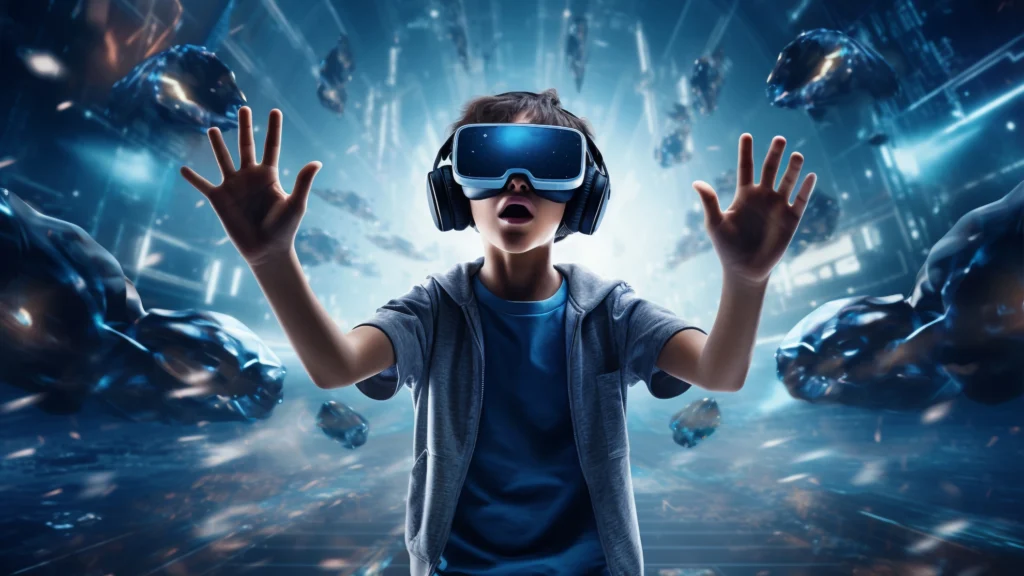
The benefits are
- Interactive Learning – Smart Board games provide both structured and unstructured learning experiences in STEM, vocabulary, and problem-solving, all through the lens of play, while kids learn.
- Social Skills – Safety: Smart Board games inherently encourage collaboration and teamwork.
- Dynamic Difficulty – Kids receive immediate feedback, and AI adjusts difficulty according to performance- every time the game is played, kids are truly learning because it adjusts every play- the ability to include both adults and children is a bonus.
- Reduced Screen Addiction: Smart Board games teach children multi-sensory learning by combining screentime with a tactile experience.
- Multilingual Learning: Many Smart Board games allow app updates for support of Indian languages.
Our Top Smart Board Games for Kids (2025 Edition)
Osmo Genius Starter Kit (ages 6-10)
Type: iPad/Android-based AR board game
Learning Focus: Math skills, vocabulary, and creative problem-solving
How It Works: Kids create outcomes by placing real-world tiles on an iPad/ Android device, and their outcomes are reflected on the screen through the Osmo app’s mirror system.
Why it’s Awesome: Provides a seamless blend of tactile and digital learning – an ideal choice for homeschool parents.
Price: ₹8,499 (available on Amazon India)
Tacto Chess By Plugo (By PlayShifu)
Type: Smart chessboard + tablet app
Technology: Uses magnetic pieces for play and combines with built-in touch recognition from an iPad/Android tablet to measure effectiveness. Learning angle: Teaches abstract strategic thinking and pattern recognition based upon curricular objectives. Why Kids Love It: The AI opponent adjusts to a player’s skill level, helping a beginner work through each possible move step by step.
Price: ₹3,999 Made in India

Ravensburger Gravitrax Smart System Category: A physics-based modular track game
Tech Integration: The app for the track can design the track, track speed, and simulate physics. What Learning Value Does it Have/What Will Kids Learn? This game teaches kids about gravity, kinetics, and basic design principles. What is Attractive to Parents? Because kids are encouraged to play through trial and error, it increases creativity.
Price: ₹6,499
Smartivity Augmented Reality Globe Category: Educational augmented reality globe
How it Works: Kids use the Smartivity app to scan the globe and see animated animals, monuments, and cultures.
Focus: Geography and general knowledge.
What Makes it Unique: The first Augmented Reality globe in India that combines STEM and storytelling.
Price: ₹2,499 Made in India
Monopoly Voice Banking (Hasbro) Category: Classic board game + AI voice assistant
How it Works: A voice control device integrated into the game replaces the banker and paper money. What Makes it Innovative: It teaches kids financial literacy with transactions driven by their voice.
Price: ₹4,999
Where to Find It: Major toy retailers and Amazon India.
Educational Value: Where Tech Meets Pedagogy Innovative board games are not toys – they create a learning ecosystem. TechCrunch India (2025) reported that 60% of parents are now comfortable with hybrid games that incorporate cognitive challenges and screens.
Cognitive Development
Games such as Tacto Chess and Gravitrax promote logical and problem-solving skills.
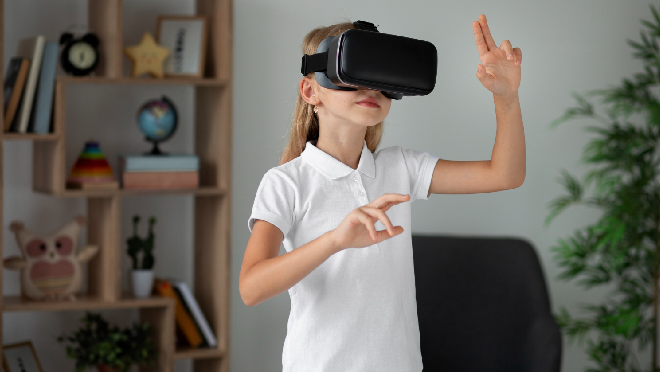
STEM Learning
Skills Osmo Genius and Smartivity STEM kits provide opportunities for kids to practice math reasoning, design,
Language Learning
Applications such as Plugo Words and storyboards supported by Google utilize voice recognition to model pronunciation in Hindi, English, and regional dialects.
Creative & Storytelling
AR storytelling games (for example, Orboot Earth) stimulate curiosity and visual imagination.
The technology of engagement:
| Feature | How It Works | Example |
|---|---|---|
| AR Overlay | Projects digital objects on the board via smartphone camera | Smartivity Globe |
| AI Assistance | Personalizes challenges and guides gameplay | Chess Touch |
| Bluetooth Sensors | Detects movement and syncs with app | Gravitrax Smart |
| Cloud Sync | Saves game progress and designs across devices | Osmo Learning System |
| Voice Interaction | Enables kids to speak and play hands-free | Monopoly Voice Banking |
These smart integrations also allow for parent dashboards to review progress (a future feature of the 2025 edutainment design).
The Indian Market Blast for Edutainment
The KPMG India EdTech 2025 Report estimates the Indian educational toy market reaching ₹12,000 crore by 2027 & smart board games leading 20% of that growth.
Rationale for growing adoption: Growing tech adoption by the emerging middle class. Parents want to develop productive alternatives to playtime. The Government focuses on STEM education under NEP 2020. Smartivity, PlayShifu, and Skillmatics have already captured exports to over 30 countries.
Parental Concerns and Responsible Use
The good news is that balance is essential, but these are beneficial experiences.
The recommendations shared were no more than
- Screen-on time: than 1 hour per session
- Supervised playtime for all devices
- Selecting smart board games that operate offline to limit distractions.
- Discourage in-app purchases or ads if the app is free.
- Educational psychologists note that board games should be a supplement, not a substitute, to playing outdoors.

Privacy And Data Safety
Many smart board games capture voice and gameplay data to facilitate personalized learning. Well-known companies comply with legislation such as GDPR and India’s Digital Personal Data Protection Act, 2023. They require parental consent, and all materials are anonymized for children. Parents should familiarize themselves with the privacy policy before creating accounts, linking any devices, or granting microphone access.
The Future Of Smart Gaming
In 2026, expect to see even smarter board games that entail:
- Ex: AI-based storytelling companions that adjust the outcome of the narrative.
- Ex: Haptic feedback boards that simulate motion or vibration.
- Ex: Cross-platform multiplayer gaming, combining virtual and physical practice.
- Ex: Integration of wearable sensors, tracking physical activity, and engagement.
Educational toymakers are collaborating with AI research labs and app developers to design games that are culturally relevant, including games on Indian history, mythology, and languages.
Expert perspective
“Smart board games incorporate cognitive processes with digital excitement. If children will be using them responsibly, they can only strengthen cognitive development skills focused on attention time and patience when working with others, something typically learned with passive screen time.”
– Dr. Anjali Deshmukh, a child psychologist and STEM learning advisor
Likewise,
Hybrid play represents the next era of learning toys that will close the digital divide parents and children waste time bridging.
– Co-founder of Smartivity Labs, Rajat Jain, says in ET Tech (2025)
Conclusion

Smart board games are reinventing childhood play. They unite the excitement of play with the advancements of AI, AR, and interactivity so that learning never feels like schoolwork.
Smartivity’s products are made in India and, along with Osmo’s international AR kits, demonstrate that playing smartly is both thoughtful and fun. Families in 2025 will look for equilibrium between play and learning, and innovative board games will provide that happy medium between table play and touch play.

Comments are closed.