
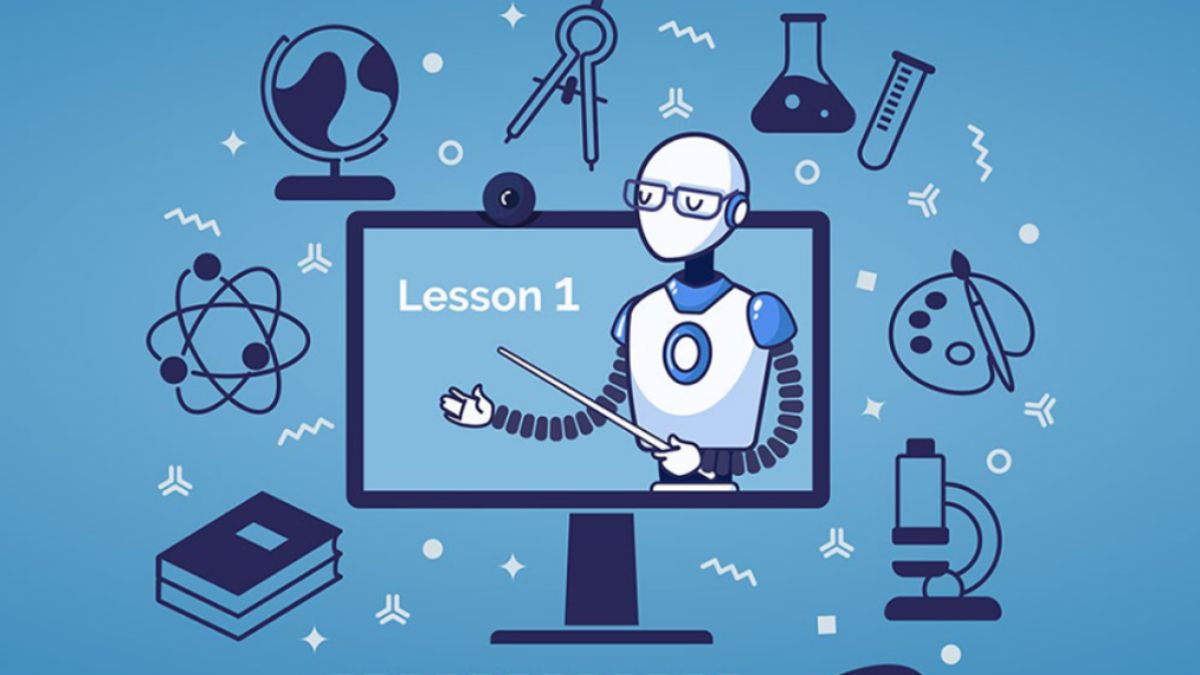

AI is changing everything — and education is no exception. Whether it’s intelligent tutoring systems, automated grading, or personalized learning apps, artificial intelligence is reshaping how we teach and learn. But is it all good news? Not quite. Like every powerful tool, AI in education has its pros and cons. In this article, we’ll break it all down — the good, the bad, and what the future might look like.
Benefits
Let’s start with the bright side. AI brings some serious advantages to the classroom (virtual or not). Here’s what’s working:
1. Personalized Learning
Everyone learns at a different pace. AI-powered platforms can analyze how a student responds to content and adjust lessons accordingly. Tools like adaptive quizzes or customized study plans make it easier for students to learn in their own way.
2. Instant Feedback
AI tools can check answers in seconds, highlight mistakes, and even suggest improvements. That means students don’t have to wait days for a teacher to return homework — they can fix errors in real-time and learn faster.
3. 24/7 Availability
AI-powered tutors never sleep. Whether it’s a chatbot for math help or an app explaining grammar rules, students can get help anytime, anywhere. It’s like having a pocket-sized teacher.
4. Reduced Teacher Workload
Teachers spend hours on grading and administrative tasks. AI can take over things like grading multiple-choice questions, tracking student progress, or even flagging at-risk students — freeing up teachers to focus more on actual teaching.
5. Inclusive Learning
AI tools often come with accessibility features like speech-to-text, language translation, and audio content. This helps students with disabilities or language barriers stay on track with their peers.
Drawbacks
Of course, not everything about AI in education is perfect. There are real concerns we need to talk about.
1. Data Privacy
To personalize learning, AI needs data — a lot of it. But where does that data go? Who owns it? Privacy and security risks are a huge issue, especially with young learners involved.
2. Inequality
Not every school has the resources to implement AI. Wealthier schools might get all the latest tools, while others are left behind. This can widen the education gap instead of closing it.
3. Over-Reliance on Technology
Relying too much on AI can reduce critical thinking. If students always get answers or help from a bot, they might not learn how to solve problems on their own.
4. Lack of Human Touch
Let’s be real — a chatbot can’t replace a real teacher. Empathy, encouragement, and real-life classroom interactions are still important. AI can support teachers, but it can’t replace them.
5. Algorithm Bias
AI learns from data, and if that data is biased, so is the AI. This can lead to unfair grading, inaccurate performance analysis, or even discrimination — especially in systems not properly tested.
Usecases
AI in education isn’t some far-off dream. It’s already here — and here’s how it’s being used today:
| AI Application | What It Does | Example Tools |
|---|---|---|
| Intelligent Tutoring | Personalized help based on student progress | Squirrel AI, Carnegie Learning |
| Automated Grading | Grades quizzes and written answers instantly | Gradescope, Edgenuity |
| Chatbots for Help | Answers student questions instantly | Duolingo, Quizlet Chatbot |
| Content Creation | Generates lesson plans, questions, summaries | ChatGPT, Khanmigo |
| Language Translation | Breaks down language barriers in class | Google Translate, LingQ |
These tools are already in use in classrooms, tutoring centers, and even at home.
Future
So, what’s next? AI in education is still evolving, and there’s a lot to be excited about.
We’re likely to see more immersive tools — think virtual reality paired with AI tutors. Imagine learning history by walking through a virtual Roman empire while an AI guide explains events in real time.
We’ll also see smarter assessment tools. Instead of just testing memorization, future AI might evaluate creativity, problem-solving, and collaboration skills — something standardized tests struggle with.
And let’s not forget the role of AI in teacher training. Future educators could use AI to simulate classroom scenarios, get feedback on their teaching styles, or analyze student engagement.
But along with innovation, regulation will become key. Countries and schools will need to draw clear lines on data privacy, bias control, and ethical AI use in classrooms.
AI is here to stay in education — and it’s already changing the game. Used wisely, it can make learning more personal, efficient, and accessible. But it’s not a silver bullet. The best results will come when AI and human teachers work together — each playing to their strengths. As we look ahead, finding that balance will be the real key to shaping the future of education.
FAQs
Is AI replacing teachers?
No, AI supports teachers but doesn’t replace them.
Can AI help students with disabilities?
Yes, with tools like text-to-speech and translations.
Is AI safe for student data?
It depends on how securely data is stored and used.
Are AI tools expensive for schools?
Some are free, but advanced systems can be costly.
How does AI personalize learning?
By tracking progress and adapting lessons to each student.

Comments are closed.