

Highlights
- QD-OLED TVs blend quantum dot color brightness with OLED-level black contrast
- HDR movies and gaming benefit most from improved brightness and motion clarity
- High pricing makes QD-OLED ideal for enthusiasts, not casual TV viewers
There has been a drastic evolution in the technology of television over the past 10 years. A large, clear TV screen used to be considered a good thing. Then full HD came, after that 4K, and now display technology itself has become the main talking point. These days, one term is coming up again and again in TV launches and reviews — QD-OLED.
Many companies have combined Quantum Dot and OLED display technologiesclaiming that it provides enhancements such as improved color brightness, more natural blacks, and better visual experience for Movies & Video Games. Sounds great on paper. But when a TV costs much more than normal OLED or LED models, people start asking real questions. Do you really see the difference? And is it worth paying that much extra?
What QD-OLED Actually Means
QD-OLED is not a completely new idea. It is more like an upgrade built using two older technologies. OLED screens are already known for their black levels. Each pixel lights up on its own. When something is black on screen, the pixel simply turns off. That is why OLED blacks look truly black, not grey.
Quantum Dot technology works on colors. It helps screens show brighter reds, greens, and blues. This tech is already used in many QLED TVs. A QD-OLED uses both QD and OLED technology, where it has replaced the typical colour filter used in other OLED TVs with a blue OLED light source and quantum dots that take the blue light and change it to various colours through the use of Quest Dots.
Thus, instead of using the conventional filter to convert light of various colors to the colors of the monitor, the use of blue light and quantum dots substantially changes the way it is made. Using blue light and quantum dots as the primary colour source changes the way colours are reproduced, while keeping the quality of the display at the same overall level.
Why Brands Are Pushing QD-OLED So Hard
OLED TVs have one weak point. Brightness. They look amazing in dark rooms, but in bright rooms, they can look a bit dull. On the other hand, LED and QLED TVs get very bright but fail when it comes to deep blacks.
QD-OLED tries to fix this gap. It keeps OLED’s contrast and adds better brightness and color strength. Currently, only premium television sets use QD-OLED technology because it provides high-quality displays that perform remarkably well in various environments, for brands to produce higher-quality display units. Therefore, QD-OLED is only for people who want the best of the best.
How QD-OLED Looks in Real Use
When you first turn on a QD-OLED TV, it may not shock you instantly, especially if you are coming from a good OLED or high-end LED TV. But after some time, the difference becomes clear. Colors look strong but not fake. Skin tones look natural. Bright parts of the image stand out more, but dark areas still stay clean.
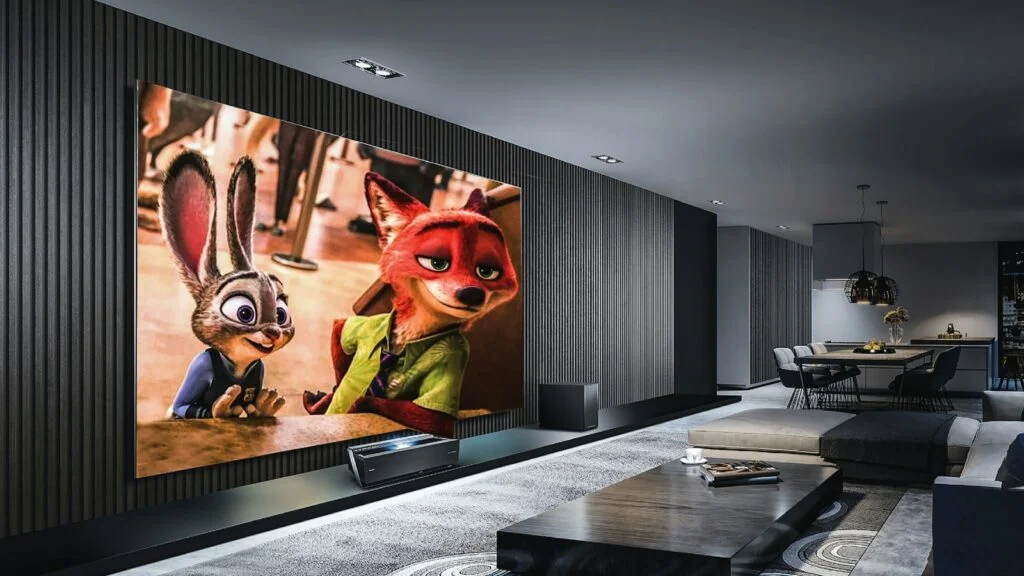
HDR content benefits the most. Every film or television show will have a better balance between dark and light scenes because they will not be too dark nor too bright. This is something that you will begin to notice after a while, and not just after five minutes.
Black Levels Still Steal the Show
Black levels are where QD-OLED clearly wins. Just like regular OLED, black areas on the screen are truly black. There is no glow around bright objects. No light leaks from corners.
In scenes where there is a bright object in a dark background, QD-OLED keeps both parts clear. LED and even mini-LED TVs still struggle here. They are better than before, but they are not at the OLED level yet.
QD-OLED and Gaming Performance
The existence of QD-OLED technology can largely be attributed to gamers. High refresh rates, minimal input lag, and additional gaming capabilities are typical features of a majority of QD-OLEDs. Fast-paced video games are fluid. The motion looks fluid. The lack of motion blur is incredible.
Anyone with a PS5, Xbox Series X, or PC can play games on their QD-OLED TV for a much better experience than what you would find on traditional TVs without needing to buy another monitor or television just for their console. Therefore, buying into QD-OLED seems to have been a good investment for me, considering the overall gaming experience benefits.
Viewing Angles Matter More Than People Think
Most homes will not be equipped with perfect seating, so most people will sit on couches or chairs, and will sometimes sit on the floor. QD-OLED handles this well. Colors do not fade when viewed from the side. Brightness stays almost the same. This makes it better than most LED TVs, which lose color quality if you are not sitting straight in front.
Power Use and Heat Control
OLED screens are known to use less power when showing dark scenes. QD-OLED keeps that benefit. But since QD-OLED can get brighter, heat management becomes important.
Brands are adding better cooling layers inside the panel. Right now, there are no major issues reported, but this is something that will matter more after a few years of use.
Burn-In Is Still a Topic
Burn-in is a word that always comes up with OLED TVs. QD-OLED panels are more durable than older OLED panels, but burn-in is not completely gone. If someone watches the same news channel, sports score bar, or logo for many hours every day, the risk is still there. For normal mixed use, most people will never face this issue.
Price Is the Biggest Problem
There is no way around it. QD-OLED TVs are expensive. They cost more than standard OLED and much more than LED or QLED TVs. Currently, the price for new technology and limited production means the cost of QD-OLED televisions is at a premium and will go down when production resumes. Today, the QD-OLED television is a premium product.
Who QD-OLED Is Really For
QD-OLED is not made for everyone. If you mostly watch cable TV or casual shows, a good LED TV is enough. In the event that you have a passion for movies, HDR video, and gaming experience, a QD-OLED display would be a much better option.
Individuals who previously purchased a modern OLED television may not see a reason to upgrade at this time. Those who are buying their first premium product will be able to get the most benefit from the QD-OLED television.
QD-OLED vs Mini-LED TVs
Mini-LED TVs offer very good brightness with HDR at a lower price. They are a good choice for bright rooms. But they still cannot match OLED-level black performance. QD-OLED wins in contrast and viewing angles. Mini-LED wins in price. Both are good. The choice depends on how and where you watch TV.
Content Support Is Not an Issue
QD-OLED TVs work with existing HDR formats. Streaming platforms already offer content that looks great on these displays. You do not need special content to enjoy QD-OLED.
Availability Is Increasing
QD-OLED TVs are now available in many countries. More brands are expected to use this technology in the future. As competition increases, prices should slowly become more reasonable.
Final Thoughts
The picture quality and performance for video games of QD-OLED TVs is extraordinary. QD OLEDs represent an incredible type of TV product that represents the limits of technology in many areas. While the QD-OLEDs will most likely be extremely costly, there will be consumers who will not need this type of television.
If you feel that the picture quality of a television is the most important factor in determining which television to purchase, then you should buy a QD-OLED. If, however, you feel that the overall value of a television is the most important factor in buying a television, then you should either wait to buy one or consider a less costly television.

Comments are closed.