
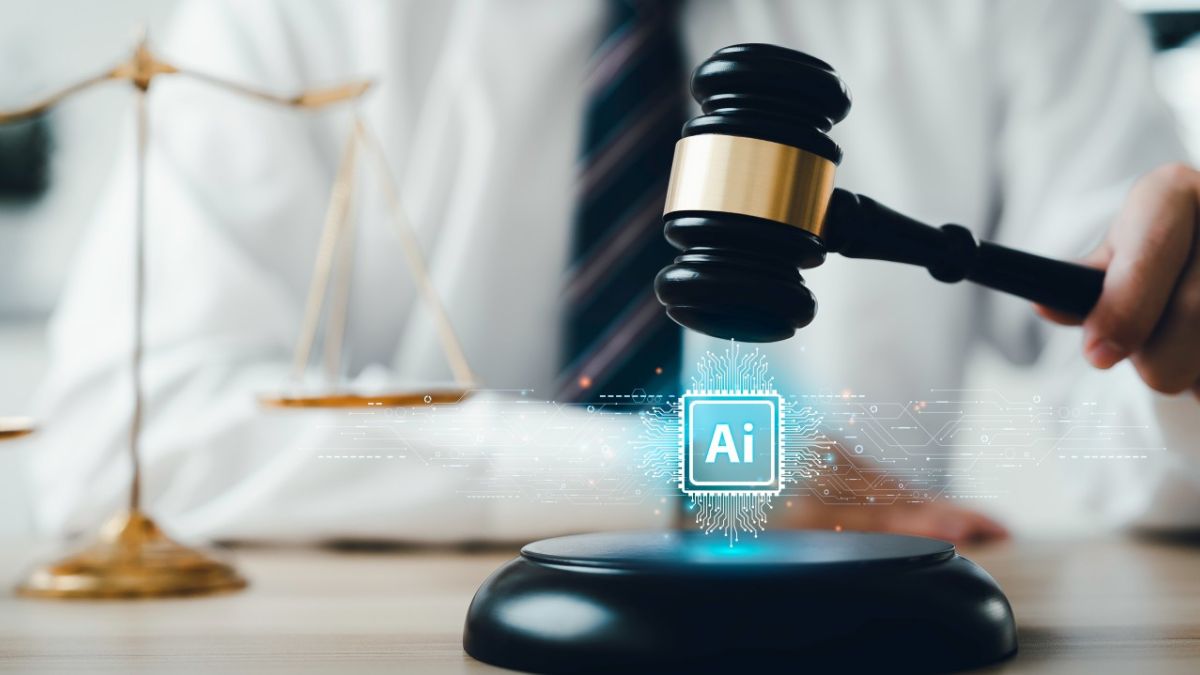

AI is advancing at full speed. From decision-making bots to face recognition systems, artificial intelligence is embedded in how we work, live, and interact. But here’s the deal—just because AI can do something doesn’t mean it should. That’s where AI ethics comes in.
As we roll into 2025 and beyond, the way we use AI responsibly is more important than ever. Whether you’re a developer, manager, or just an everyday user, here’s what you need to know about building and using AI the right way.
Meaning
AI ethics is all about the principles that guide the design, development, and deployment of artificial intelligence. It’s not just technical stuff—it’s moral questions like:
- Is the AI making fair decisions?
- Does it respect privacy?
- Who’s accountable when it messes up?
In short, AI ethics ensures that technology helps humans without harming them.
Principles
There are some core principles at the heart of ethical AI. These guide how AI systems should behave in society:
| Principle | What It Means |
|---|---|
| Fairness | No bias or discrimination in decisions |
| Transparency | People should know how AI works |
| Accountability | Someone must be responsible for AI actions |
| Privacy | Personal data must be protected |
| Safety | AI should not harm users or communities |
| Inclusiveness | AI should serve all people, not just a few |
These aren’t just buzzwords. They’re key to earning trust and avoiding serious risks.
Risks
Without ethical oversight, AI can go very wrong. We’ve already seen some examples:
- Biased algorithms rejecting loan applications or job candidates based on gender or race.
- Deepfakes spreading false news and videos.
- Surveillance AI invading privacy without consent.
- Autonomous weapons raising moral concerns in warfare.
These are not just “what if” scenarios—they’re real-world consequences. And the more AI we use, the more urgent it becomes to address these risks.
Regulation
In 2025, more governments and global organizations are stepping in with rules. Here are a few developments:
- I HAVE Act: Classifies AI by risk level and bans unacceptable systems.
- U.S. AI Executive Order (2023): Promotes safe, rights-respecting AI development.
- UN AI Ethics Guidelines: Encourages international standards for ethical AI.
Regulation is catching up, but businesses still need to set their own internal guidelines too.
Business
If you’re a company using AI, ethical use isn’t just about compliance—it’s also smart business. Here’s why:
- Reputation: Unethical AI can seriously damage trust.
- Legal risk: Failing to meet new regulations could mean fines.
- Customer loyalty: People prefer brands that use tech responsibly.
- Talent retention: Ethical companies attract better employees.
So it’s not just the right thing—it’s also the wise thing.
Solutions
How can we build more ethical AI systems? It starts with being intentional.
- Audit the data: Bias in, bias out. Use diverse, balanced data sets.
- Explainable AI: Design systems that people can understand.
- Human oversight: Keep people in the loop on critical decisions.
- Impact assessments: Test for unintended consequences before deployment.
- Ethics teams: Form internal committees to review projects and flag risks.
Also, involve users in the process. Let them know when AI is being used and give them choices.
Future
Looking ahead, AI ethics will keep evolving. We’ll likely see:
- More AI systems that explain their reasoning.
- Greater global collaboration on standards.
- Built-in ethical checks in AI tools and platforms.
- A new wave of professionals trained in both tech and ethics.
In fact, ethical literacy might become as essential as coding skills in the future. AI will only become more powerful—so the guardrails must become stronger.
AI isn’t just about what we can build—it’s about what we should build. As technology continues to accelerate, ethics must keep pace. In 2025 and beyond, the future of AI depends on us asking better questions, designing with purpose, and keeping humanity at the center of innovation. Use it wisely, and AI becomes a tool for progress—not a source of problems.
FAQs
What is AI ethics in simple terms?
It’s about using AI fairly, safely, and responsibly.
Why is AI ethics important?
It prevents harm, bias, and misuse of technology.
Can AI be biased?
Yes, if trained on biased data, AI can act unfairly.
Who makes AI ethical rules?
Governments, companies, and international organizations do.
How do businesses use ethical AI?
They follow guidelines, audit data, and ensure oversight.

Comments are closed.