
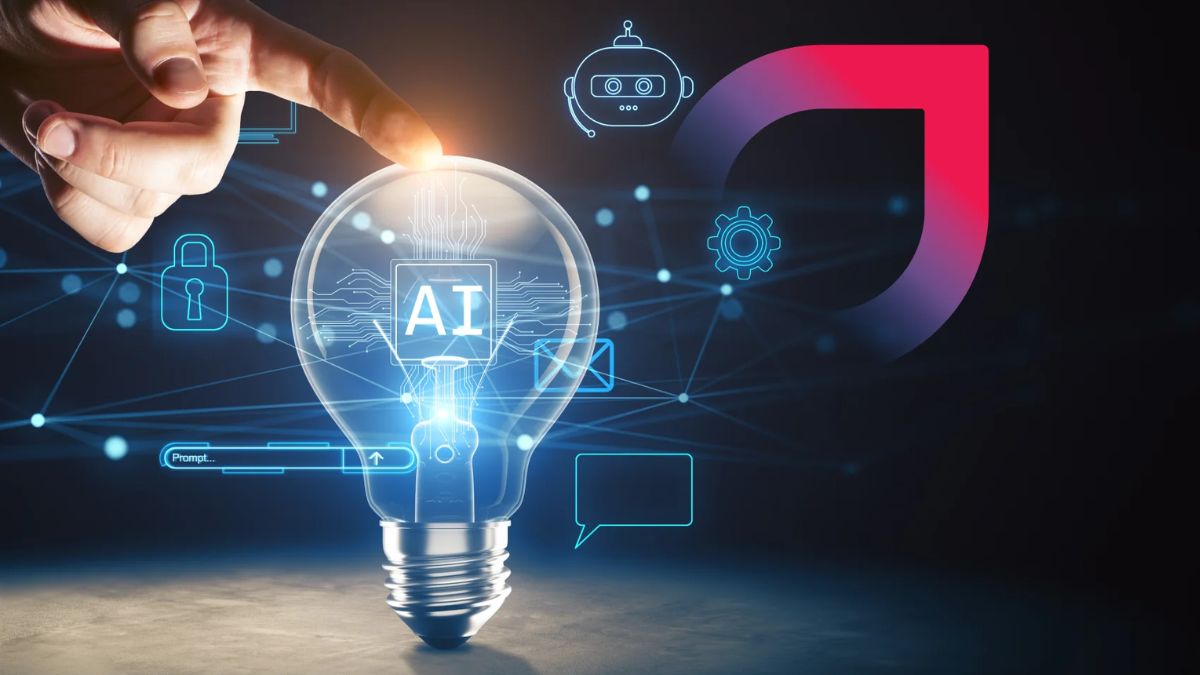

Artificial intelligence isn’t just a buzzword anymore—it’s transforming how businesses run, compete, and grow. Whether you’re leading a small team or managing operations at a global scale, knowing AI is no longer optional.
It’s a game-changer, and knowing how it works can give you a real edge. But don’t worry, you don’t need to be a tech expert to grasp the basics. Let’s break it all down so you know what to expect, what to watch out for, and how to use AI smartly in your workplace.
Basics
AI, or artificial intelligence, refers to systems or machines that mimic human intelligence to perform tasks and improve themselves over time based on the information they collect. In business, it shows up in tools like chatbots, recommendation engines, predictive analytics, and even automated hiring systems.
Think of AI as a super-efficient intern that never sleeps, makes decisions based on data, and gets better with every task. It’s here to support—not replace—you and your team.
Benefits
Why should managers care? Because AI can make your life easier and your business sharper. Here’s how:
- Efficiency: AI handles repetitive tasks, freeing your team to focus on creative and strategic work.
- Data-driven decisions: AI tools can analyze massive data sets and offer insights you’d otherwise miss.
- Cost savings: Automating tasks like customer service or inventory tracking can save thousands.
- Personalization: AI allows marketing teams to deliver tailored content that resonates with customers.
- 24/7 availability: Chatbots and automated systems don’t need sleep, boosting customer service around the clock.
AI isn’t just about cutting costs—it’s about working smarter.
Challenges
Of course, AI isn’t perfect. There are some risks and obstacles that every manager should understand before diving in.
- Bias: If AI is trained on biased data, it can make unfair decisions. This is a big concern in hiring and finance.
- Lack of transparency: Some AI systems work like a black box—you don’t always know how decisions are made.
- Skill gaps: Your team may need training to use AI tools effectively.
- Privacy issues: AI systems can process sensitive data, so data protection must be a top priority.
- Overreliance: Relying too much on AI can weaken human judgment and creativity.
Knowing these challenges helps you prepare and use AI responsibly.
Usecases
Wondering how companies actually use AI today? Let’s look at some practical examples:
| Industry | AI Use Case | Benefit |
|---|---|---|
| Retail | Personalized shopping suggestions | Boosts sales and engagement |
| HR | Resume screening and candidate ranking | Speeds up hiring process |
| Finance | Fraud detection and risk analysis | Reduces financial loss |
| Marketing | Ad targeting and customer segmentation | Improves campaign ROI |
| Manufacturing | Predictive maintenance on machinery | Reduces downtime and repairs |
| Customer Service | Chatbots for basic queries | Enhances customer satisfaction |
As you can see, AI fits into nearly every business department.
Adoption
Thinking about adopting AI in your team? Start small. Choose one area with repetitive tasks—maybe customer service or data entry—and test a solution. Look for AI tools that are user-friendly and integrate with your current systems.
Also, involve your team early. Explain the benefits, provide training, and encourage feedback. AI adoption should be a collaborative journey, not something forced from the top down.
Ethics
Every manager should consider the ethical side of AI. Are your tools fair? Do they protect privacy? Could they cause harm if misused?
Develop clear guidelines on how AI should be used in your organization. Consult legal and data experts to make sure you’re complying with regulations like GDPR or CCPA.
Also, keep humans in the loop. Use AI to support decisions, not replace them entirely. Ethical AI is smart AI.
Future
AI is evolving fast, and it’s only going to become more important. We’re talking about AI that can generate content, make complex business decisions, and even help shape company strategy.
As a manager, staying informed is key. Attend webinars, read industry updates, and encourage a culture of continuous learning in your team. The goal isn’t to become an AI expert—but to become AI-aware.
AI isn’t something to fear—it’s something to know and use wisely. Managers who take the time to learn how AI works will be better positioned to lead their teams into a more productive, data-driven future. Start small, stay curious, and don’t forget: the human side of management is still just as important. AI is a tool, not a replacement.
FAQs
What is AI in simple terms?
AI is tech that mimics human thinking to do tasks and learn.
Why should managers care about AI?
Because AI boosts efficiency, saves time, and supports smart decisions.
Is AI replacing human jobs?
Not exactly—AI helps humans by handling repetitive tasks.
How do I start using AI at work?
Start small with one process like automating emails or chatbots.
What are risks of using AI in business?
Bias, data privacy, and lack of human oversight are key risks.

Comments are closed.