
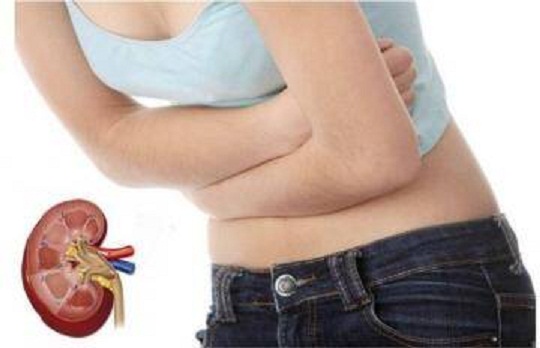

New Delhi. According to health experts, when crystal forming minerals are present in urine in large quantities, it increases the risk of kidney stones. Experts say that when calcium, uric acid and oxalate are found in high concentration in urine, crystals are formed which start sticking together and take the form of stones. Let us tell you that the size of a kidney stone can be as small as a grain of sand or as big as a ball.
Food items containing Vitamin C prove to be helpful in increasing immunity. But excess of anything can prove harmful. In such a situation, excessive use of Vitamin C can harm the body.
Vitamin-
C and kidney stones:
According to some studies, taking excessive Vitamin C supplements increases the amount of oxtail in urine. Because of this the amount of stones in the kidney may increase. In such a situation, people should avoid its excessive use. Consume sour fruits also in limited quantities.
Wrong eating habits:
Carelessness in eating habits is also considered a major cause of kidney stones. In such a situation, people should take special care of their eating habits. Avoid eating too much non-veg, and also stay away from excessive salt, sugar, flour and spicy food. Additionally, foods that are high in oxalate, such as spinach and whole grains, should be avoided.
Water shortage:
To avoid the problem of kidney stones, people should drink more water. Consuming less beverages can cause dehydration in the body, which increases the risk of stones. In such a situation, a person should drink at least 7-8 glasses of water regularly every day. Additionally, consuming detox drinks will also be beneficial.
Disease like gout:
According to health experts, when uric acid is present in high amounts in the blood, it can cause health problems like gout. In this disease, crystals start forming in the joints and kidneys. In such a situation, the risk of kidney stones increases.
Note- The information and suggestions given above are for general information purposes and should not be construed as medical advice. We do not claim to verify its authenticity. If you have any questions or problems, please seek expert advice.
Comments are closed.