
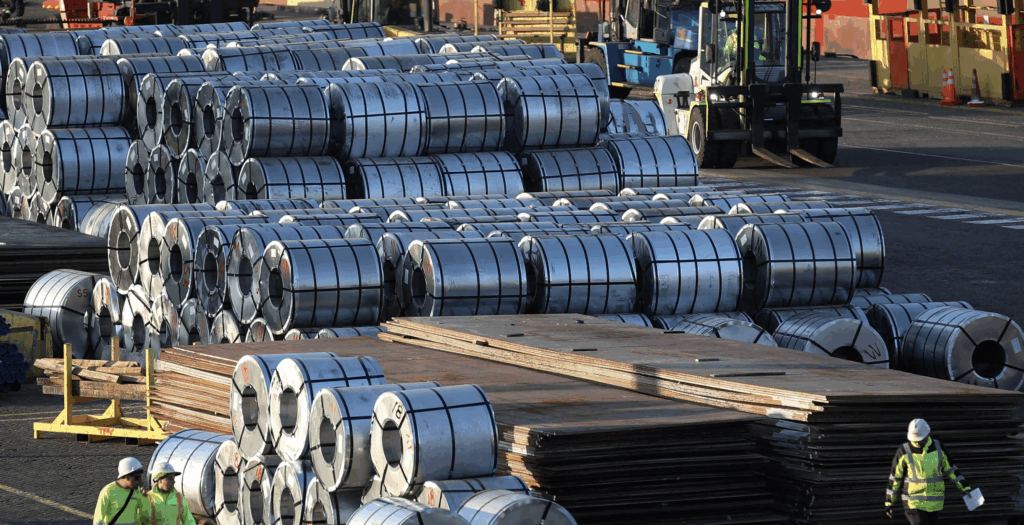

The Indian government has announced new trade measures on imported steel productsimposing tariffs to protect the domestic steel industry from a surge of cheap foreign steel. These tariffs are set to remain in place for the next three yearssignalling a strategic move to balance trade, support local producers, and strengthen national manufacturing.
Why the Tariff Was Introduced
India has seen a rise in inexpensive steel importsparticularly from countries where steel is produced at very low cost due to overcapacity or heavy government support. While cheaper imports may seem attractive to some buyers in the short term, they can:
- Undermine domestic steel producers
- Lead to price distortion in the local market
- Threaten jobs in Indian steel mills
- Reduce investment in long-term capacity and technology
By imposing tariffs, India aims to create a fairer market environment where local steelmakers can compete on an even footing with foreign suppliers.
Details of the Tariff Measures
The government’s decision applies to a range of steel productsincluding certain types of flat and long steel used in industries such as construction, automotive, and infrastructure. Under the new policy:
- Import duties have been raised for selected steel categories
- The tariffs will be in force for three yearswith periodic reviews
- The aim is to discourage dumping — the practice of selling goods abroad at prices below domestic or production cost
The tariff framework is designed to be targeted, focusing on products where over-dependence on imports has been identified.
Impact on Domestic Industry
The higher tariffs are expected to:
- Strengthen local manufacturing by making imported steel less price-competitive
- Encourage domestic producers to expand capacity
- Preserve jobs in steel mills and allied sectors
- Improve long-term planning and investment in technology
Steel is a foundational material for key infrastructure projects, so protecting the industry has broader implications for national development goals.
How Buyers and Users Are Affected
While steel producers welcome the move, it has mixed implications for buyers:
- Construction firms, manufacturers, and fabricators may face higher input costs
- Some industries reliant on imported steel may see price adjustments
- Over time, a more stable domestic industry could lead to reliable supply and quality consistency
Buyers will need to factor in tariff-adjusted costs when planning budgets and sourcing materials.
Broader Trade and Policy Context
The tariff decision reflects India’s broader focus on self-reliance and industrial resilience. By discouraging unfair trade practices and fostering a stronger domestic base, policymakers aim to support strategic sectors while balancing consumer needs.
Conclusion
India’s move to impose tariffs on steel imports for three years is a calculated effort to shield local manufacturers from cheap foreign competition. While it may push up costs for some users, the long-term goal is to sustain a vibrant domestic steel industry capable of meeting national demand and contributing to economic growth.
Image Source

Comments are closed.