

- A registered dietitian shares the six strategies she used to achieve sustainable weight loss.
- Building meals around balance and recognizing that setbacks will happen are some of her steps.
- Her routine also focuses on finding movement you enjoy and tuning into what feels good.
Losing weight isn’t easy. I say that as someone who’s spent over two decades studying and working in health and nutrition. I understand how food, movement and metabolism work, but even with that knowledge, building a routine I could actually stick with when life happens took time.
What I’ve learned is that it’s rarely the slice of birthday cake or the pizza that derails progress. More often, it’s the mindset we bring to weight loss and the everyday habits that shape our routines. While a fasting plan or trendy program might work for someone else, sustainable progress usually comes from finding what aligns with your lifestyle, not forcing yourself into something that doesn’t.
In this piece, I’m sharing my own journey and the simple, realistic strategies that helped me, a registered dietitian, create a routine that finally felt doable. These are the six habits that made weight loss feel more realistic and less restrictive. And, yes, they still leave room for a margarita when I want one.
My Weight-Loss Journey
As a teenager, I struggled with restrictive eating, a challenge that ultimately drew me to the field of nutrition. With the guidance of a dietitian, I learned to see food not as something to fear, but as a tool to support my health and well-being.
Fast forward to adulthood, when my husband and I navigated the highs and lows of in vitro fertilization (IVF) while building our family. During that journey, I felt surprisingly out of control with my own nutrition, the very area I had spent years mastering professionally. While restrictive thoughts never returned, the hormonal changes that accompanied treatment led to weight gain, leaving me uncomfortable in my own skin. Over two years of on-and-off treatment, I gained more than twenty pounds.
It was during a pause in our IVF process that I realized I needed a sustainable, long-term approach I could lean on for life. In the section below, I’m sharing the six strategies I used, even after two successful pregnancies, to shift my body composition, regain confidence and create a weight-loss routine that truly works for me.
6 Steps for Sustainable Weight-Loss
1. Stop Trying to Overhaul Your Lifestyle Overnight
That surge of momentum you get when you’re ready to commit to your personal health goals is infectious. But don’t let the short-term adrenaline lead you into thinking you have to overhaul your entire diet and lifestyle overnight. That only leads to disappointment. Instead, focus on one small thing you can implement the very next day.
For me, it was about focusing on portion-control. Sure, I may not have been eating pints of ice cream, but the handful of trail mix here and there was adding up. Small changes in how I incorporated trail mix and other snacks into my routine with portion-controlled containers helped me enjoy these foods in moderation.
2. Build Meals Around Balance
I’ve said it before, and I will say it again: weight loss for the long haul isn’t achievable if you’re not learning to eat the foods you enjoy as part of a balanced meal plan. This doesn’t mean that because I enjoy French fries, I eat them daily. Instead, I learned new cooking techniques (like embracing the air fryer) to make healthier versions of some traditionally fried food fare to add to our weekly meal plan.
I prioritized adding protein and fiber to every meal and snack to ensure my digestion stayed smooth and I left a meal feeling satiated, without the need to snack again shortly after. I enlisted the help of a smartphone app to track my nutrition, because even as a dietitian, a visual reminder was helpful for seeing where my food choices weren’t quite matching up with my own personal nutrition needs. When you focus on building a meal plan that balances foods you enjoy, eating becomes less stressful and more fun.
3. Embrace Movement You Enjoy
Physical activity is essential for any sustainable weight-loss routine. Sure, diet may be a big portion of the puzzle, but incorporating regular movement not only increases calories burned, a component of weight loss, but also builds lean muscle and helps reduce stress. The key here is movement you enjoy. Don’t lace up running shoes if you hate running. That will only lead to toss those shoes in the back of your closet when the motivation fades.
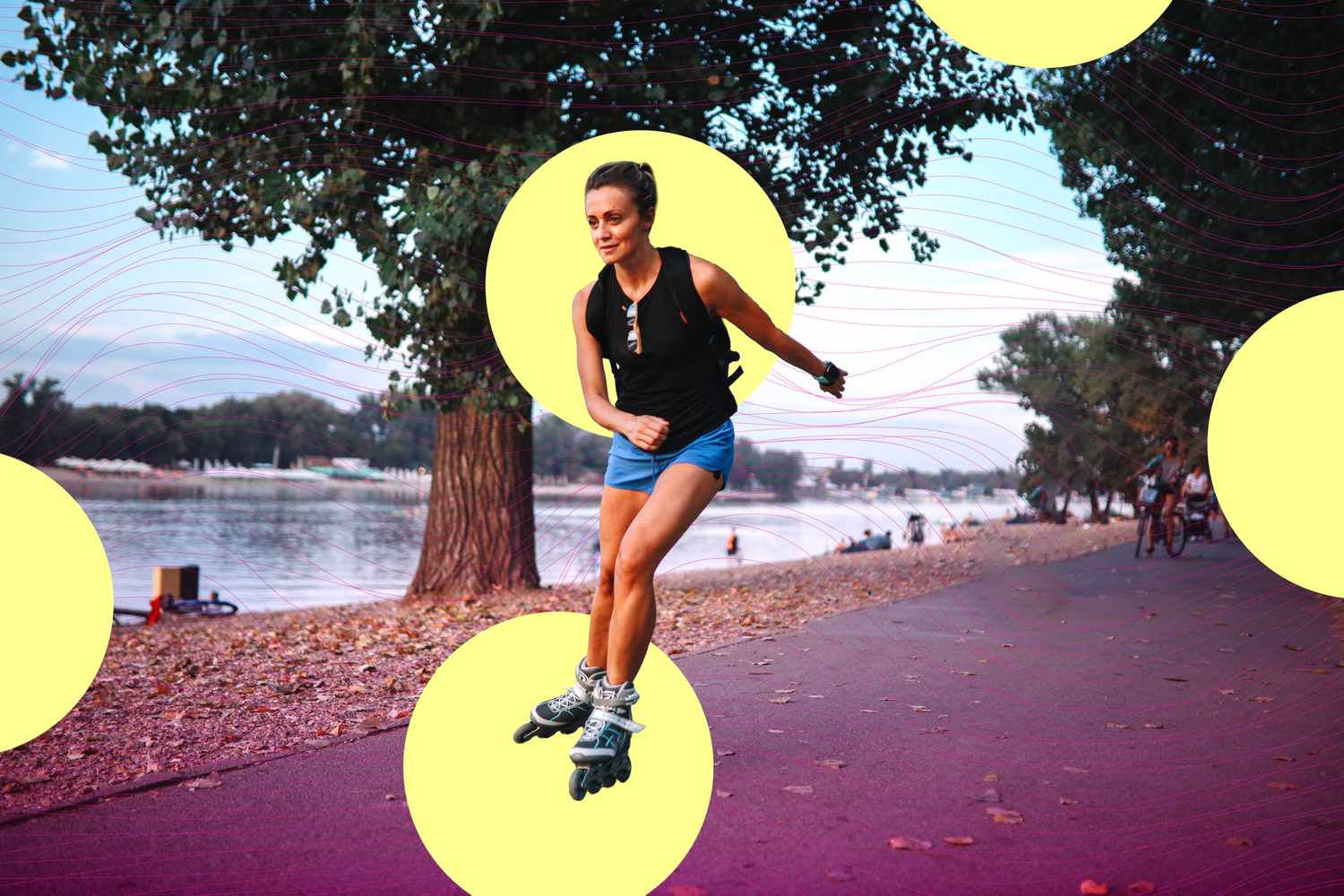
Find what excites you to move, and build it into your regular routine. Throughout my IVF weight-loss journey, I took out my old school rollerblades and went skating around a lake near my house. It provided a fun boost of movement that instantaneously improved my mood, too. Now, I’m not saying go buy skates if that’s not your thing. Adding a walk into your daily routine is great too, and it doesn’t have to be hours on end. To meet the recommended physical activity guidelines for adults, you simply need to do 22 minutes every day, or 30 minutes at least 5 days a week. Work on getting your heart rate up and you will see your body composition start to change.
4. Incorporate Routines for Real Life
Routines also help navigate high-stress times. Case in point: maintaining your weight loss strategies during busy seasons. When juggling school drop-offs, work, and endless after-school activities, finding time to prepare a balanced meal may seem tough. That’s where using a meal planning app can come in handy. These programs are easy to use on your smartphone, helping you identify quick and convenient options that take the guesswork out of “what’s for dinner.”
Having systems in place makes routines work for your real life. Tracking your weight or body composition, depending on which metric you’re measuring, is helpful for assessing how your current habits are align with your long-term goals. For me, this often doesn’t mean I’m stepping on a scale. Instead, I’m using how my clothes fit to gauge how well I’m maintaining my weight.
5. Tune Into What Makes You Feel Good
Your initial goal may be to see the number on a scale change, but don’t let that be your only metric. You may notice as you start to move your body more, that you like the confidence and energy you feel after a workout. Or, from eating better and finding time for fitness, you’re sleeping better and your mood improves. While weight loss can feel empowering, confidence, muscle tone and learning how to fuel your body for your needs can feel even better in the long run. Tune into those good feelings and let them fuel your continued momentum in your weight loss journey.
6. Recognize Setbacks—And Move Through Them
A picture-perfect weight loss routine isn’t sustainable. I know life will happen and setbacks will pop up. The most important thing is not throw in the towel when they do, because you’ve worked too hard to get where you are. Acknowledge what the setback was, and what triggered it. For me, I recognize my motivation to work out tends to decline during busy seasons with work and kids. Rather than force myself to attend a workout class when time just in my favor, I embrace the 22-minute rule. I lace up and get 22 minutes of activity in, sometimes it’s a power walk with a weighted vest, and sometimes it’s a free workout video. More often than not, once I get my blood pumping, I find the time to do a full 30 (and feel so much better for it).
The Bottom Line
Wanting to lose weight doesn’t make you “bad,” it just means you’re prioritizing your health and personal goals. The objective usually isn’t just the number on the scale; it’s creating small, positive lifestyle changes that last. Focus on making one manageable change at a time until it becomes second nature.
Nutrition is important, but so are movement, sleep and emotional well-being. Celebrate your wins, big and small, and remember that setbacks are part of the journey, not a reflection of your worth. Your body and health are more than a number, and progress can show up in ways the scale doesn’t always capture.
Working with a trained professional, like a registered dietitian, can help you create a weight-loss routine that fits your life, preferences and goals so you can make lasting changes that truly stick. Sustainable weight loss isn’t about perfection, it’s about progress, one step at a time.

Comments are closed.