


The prices for the SUV start from Rs 10.99 lakh and go up to Rs 19.99 lakh (both prices, ex-showroom). Compared to the outgoing model, the next-generation Seltos is priced just Rs 20,000 higher, a premium that appears justified given its refreshed design, added features, and overall improvements. Complete variant-wise price list in the image below.
The variants lineup remains the same as before with Tech Line, GT Line, and X-Line trims. The Tech Line forms the core of the lineup with variants such as HTE, HTE (O), HTK, HTK (O), HTX, and HTX (A). Sitting above them, the GT Line is offered in GTX and GTX (A) versions and adds a richer equipment list along with sportier styling cues. The X-Line package, characterised by its darker, more aggressive aesthetic, remains exclusive to the GT Line trims.
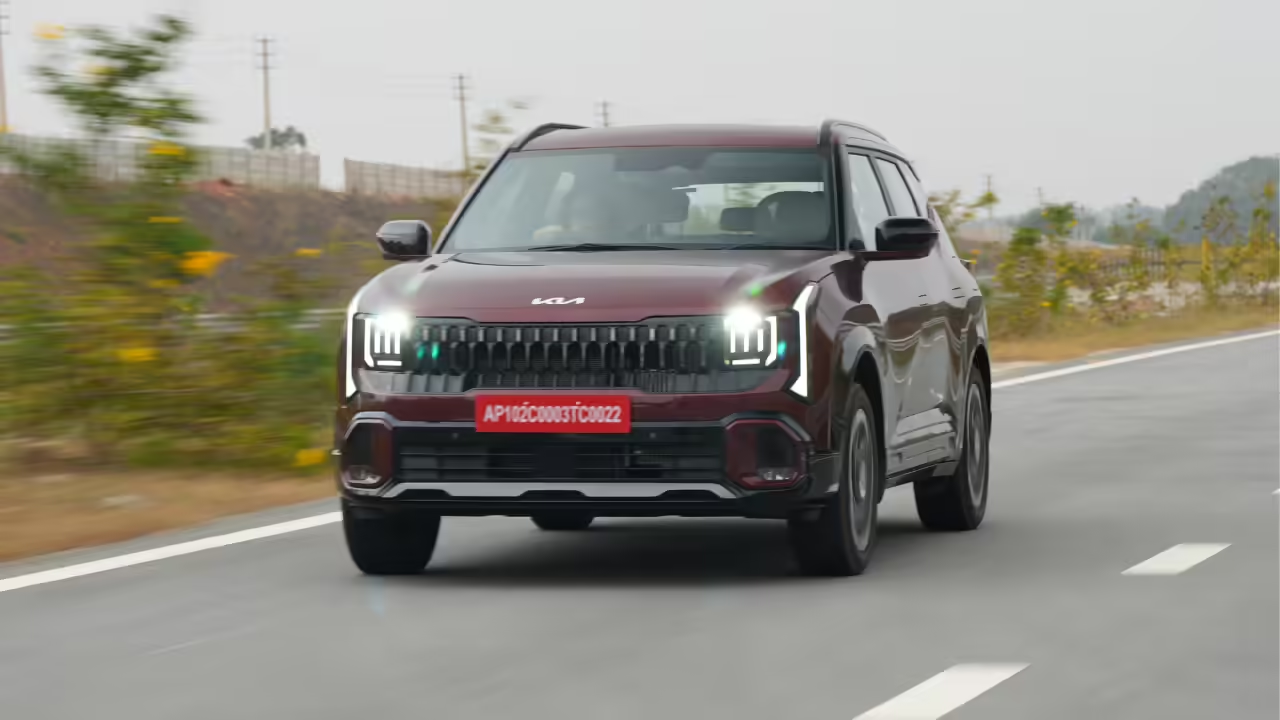
Talking about the powertrain options, even though the Seltos is based on the new K3 platform, mechanically, it remains the same as before. It continues to get three engine options – a 1.5-litre NA petrol with 115hp/144Nm that’s offered with either a 6-speed MT or a CVT gearbox, and a 1.5-litre turbo petrol with 160hp/253 nm that’s offered with an IMT or a 7-speed DCT. Another engine is a 1.5-litre turbo diesel with 116 hp/250 nm that gets a 6-speed manual or a 6-speed torque converter automatic. In terms of design, the front of the new Seltos clearly draws inspiration from Kia’s larger global SUVs. Its grille now dominates the fascia with a bold, stepped pattern highlighted by vertical gunmetal inserts, stretching almost the entire width of the nose. Squared-off LED headlamps sit at either corner, continuing the upright theme, while the DRLs create a vertical light signature that’s further accentuated by a lightning-bolt–shaped LED element positioned at the outer edges. Lower down, the bumper features contrasting black cladding and neatly integrated, rectangular surrounds for the fog lamps, adding to the SUV’s sturdier look.
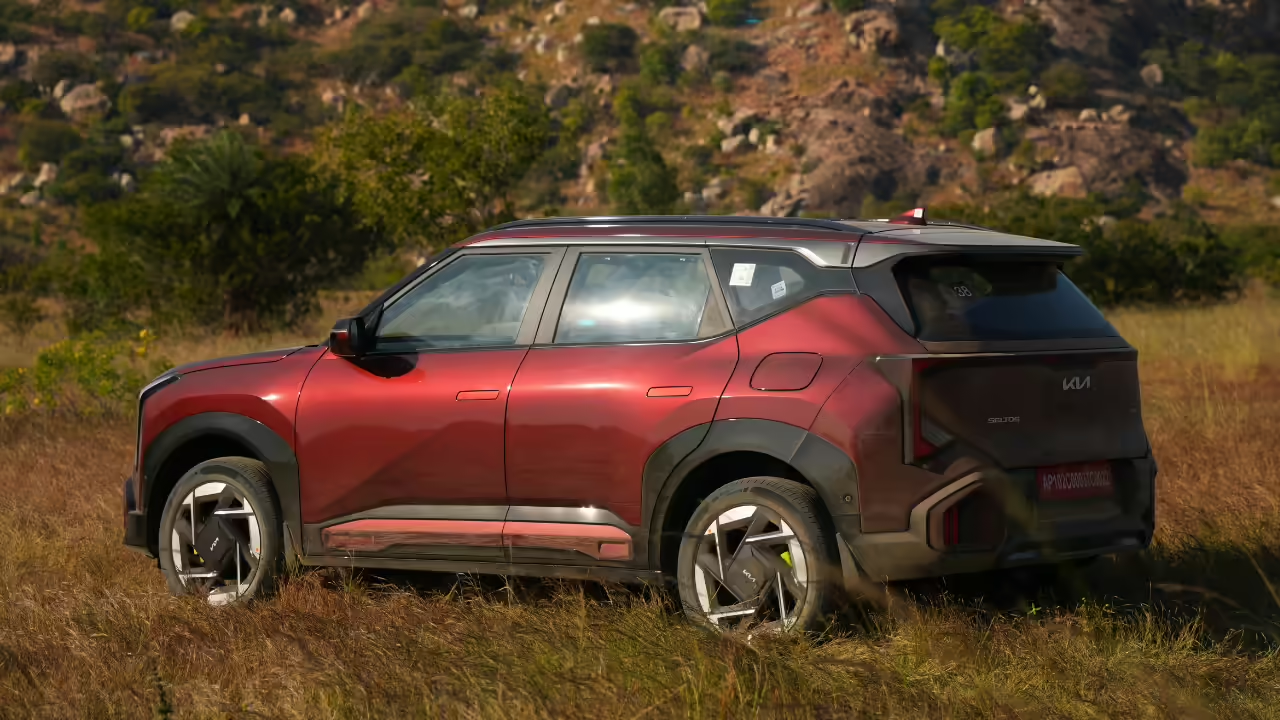
On the sides, the shoulder line is more pronounced, the wheel arch is chunkier, and it gets newly designed 18-inch wheels. The traditional pull-type handles have been replaced with flush-fitted units. Kia has retained its signature pinch in the window line near the C-pillar, but it now flows into a blacked-out element that visually links the rear quarter glass with the windscreen, giving the SUV a wraparound effect. At rear, the number plate holder has been moved to the bumper for a cleaner tailgate, but the real highlight is the new inverted L-shaped LED light signature.Moving inside, the cabin undergoes a major transformation while still echoing some familiar Kia design cues. The centrepiece is a panoramic digital layout made up of a 12.3-inch touchscreen, a matching 12.3-inch digital instrument panel, and a dedicated 5.0-inch climate-control display. The centre console retains a practical spread of physical buttons and rotary controls, but the steering wheel is all-new, sporting a three-spoke design with integrated drive and traction mode buttons.
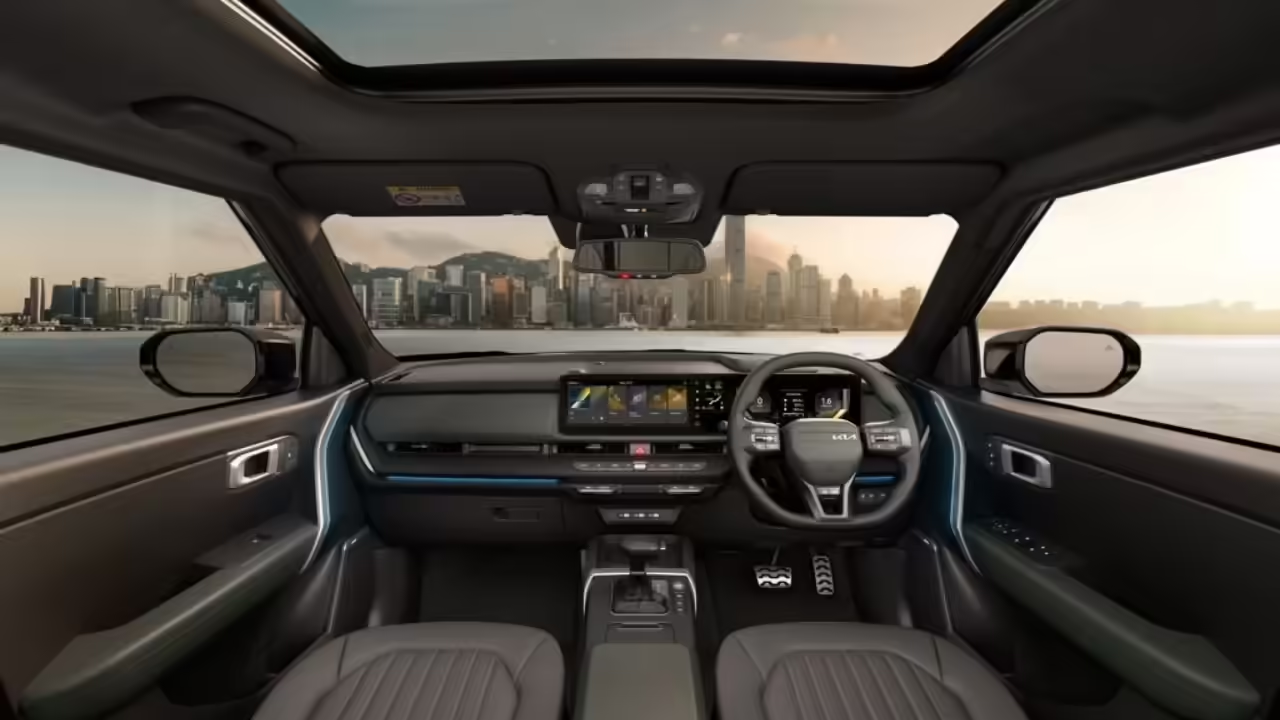
Feature-wise, it gets ventilated front seats, a panoramic sunroof, wireless charging, wireless Apple CarPlay and Android Auto, a powered driver’s seat with memory, rear sunshades, dual-tone leatherette upholstery, a 360-degree camera, 64-colour ambient lighting, an eight-speaker Bose audio system, OTA updates, connected-car functions, and Level 2 ADAS. Safety kit features include six airbags, ESC, all-wheel disc brakes, hill-start assist, ISOFIX mounts, tyre-pressure monitoring, and a standard rear-view camera, which form part of the equipment roster.

Comments are closed.