
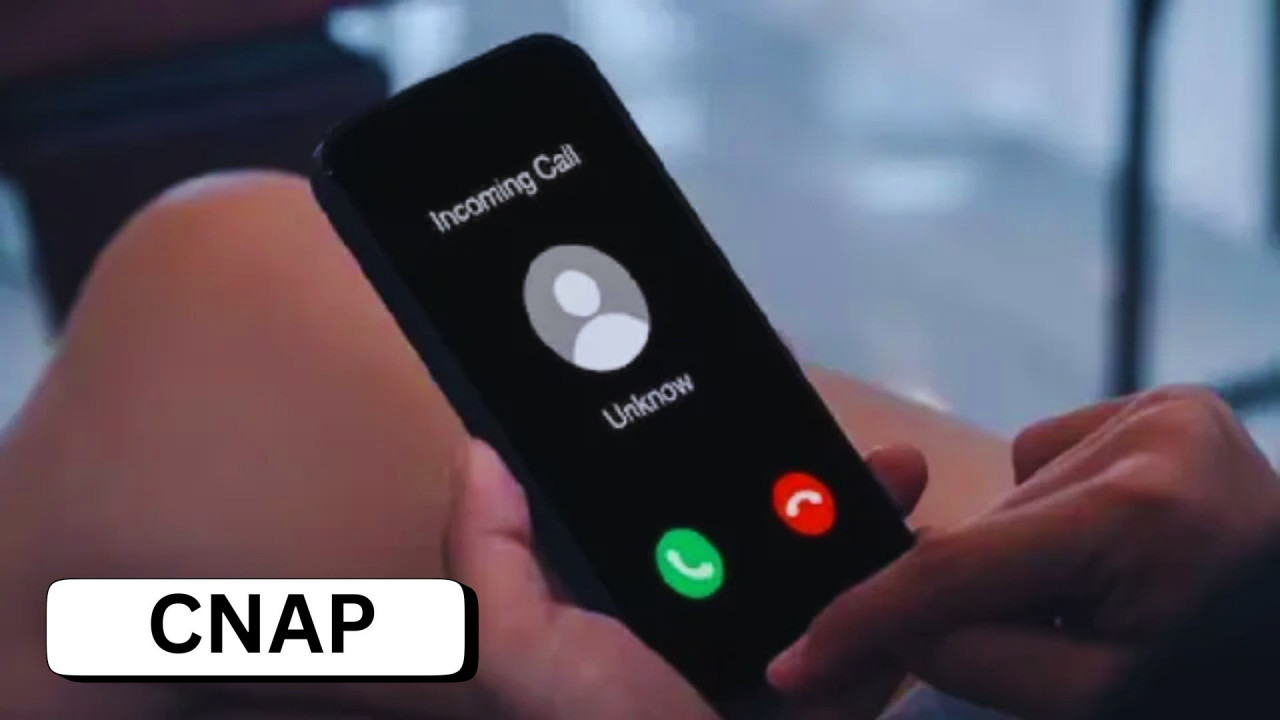
No internet, no subscription, no APP, still the caller’s name is visible… Know what is CNAP service and its challenges.

New Delhi : Keeping in mind the convenience and security of the consumers, Telecom Regulatory Authority of India (TRAI) has started a new service called Caller Name Presentation i.e. CNAP. Through this technology, now with any incoming call, not only the number but also the name of the person in whose name the mobile number is officially registered will be visible. This will help users to identify the caller.
Free facility without app, internet and subscription
Let us tell you that the most special thing about CNAP is that it does not require any kind of mobile app, internet connection or paid subscription. This service is completely free and is gradually being made available to all mobile users. If any user is not able to see this facility right now, it will automatically become active in the coming time.
How is CNAP different from TrueCaller?
Many people consider CNAP to be a service like TrueCaller, but the way they work is different. TrueCaller is a third-party app, which is based on the information given by the users and edited names. Whereas CNAP is a system directly connected to the telecom network, which shows the official registration name of a number, and not the name changed by the user.
How does CNAP work?
CNAP works at the network level. Every telecom company has KYC data of its customers, which contains information about which number is registered in the name of which person. When a call comes, the network displays the same registered name on the receiver’s phone screen. For example, if your number is named after your mother or father, that name will appear when you make a call.
What will be the effect on saved contacts?
If a person has already saved your number in his phone, he will not see the name CNAP. In such cases, the call will come in the same name in which the receiver has saved the number. The effect of CNAP is visible only on unsaved numbers.
Which networks are it currently available on?
Currently this service is working mainly on 4G and 5G networks. It is expected that in future it will be made available on older networks and more mobile devices also. This system is directly connected to the telecom infrastructure, so it does not require any changes in the phone.
Major challenges related to CNAP
The biggest challenge of this service is that it does not show the name being used by the caller, but the registered name. Many times the call is being made by someone else, but someone else’s name appears on the screen. Due to this, the caller may seem unknown or suspicious to the user and a situation of confusion is created.
Will the problem of spam and scam calls end?
CNAP does not identify spam or scam calls, but only displays registered names. In such a situation, it is not necessary that every call with an unknown name is a fraud. At the same time, the names appearing on TrueCaller are also not completely reliable, because they can be edited by users. Therefore, with the advent of CNAP, caller identification will be better, but it is not easy to completely eliminate the problem of spam and scam calls.

Comments are closed.