
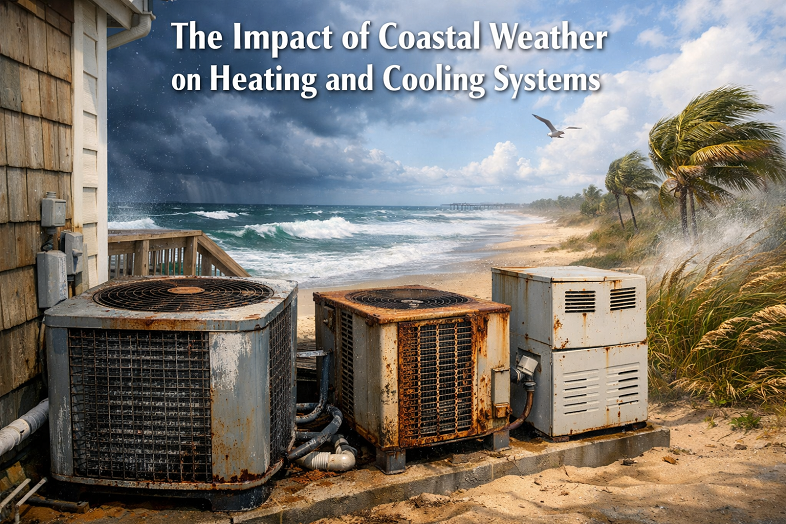

Living in coastal areas brings refreshing breezes, ocean views, and mild temperatures, but it also creates unique challenges for heating and cooling systems. The constant presence of salt air, humidity, and fluctuating temperatures can accelerate wear and reduce efficiency. Homeowners in these regions must understand how the environment interacts with their HVAC units to maintain consistent comfort and system performance. Regular maintenance and material durability play key roles in combating corrosion and mechanical stress caused by marine air. Understanding these factors helps ensure that your HVAC system remains reliable and energy-efficient, even in challenging coastal climates.
We Will Explore How Salt Air Affects HVAC Systems
Coastal air contains salt particles that can cause corrosion of metal components over time. We will explore how salt exposure increases the risk of corrosion and damages both exterior and internal HVAC parts. When salt-laden air circulates through outdoor units, it can corrode coils, fins, and casing surfaces, compromising performance and longevity. This corrosion often leads to leaks, reduced airflow, and eventual component failure if left unchecked. Units placed closer to the ocean face even greater exposure, requiring more frequent maintenance and cleaning. Protective coatings, corrosion-resistant materials, and consistent servicing can help slow this process. By addressing salt-related wear early, homeowners can avoid costly breakdowns and maintain optimal system operation despite the coastal challenges. Proper placement and shielding of HVAC units also help extend equipment life in these harsh environmental conditions.
We Will Explore the Role of Humidity in Performance and Maintenance
Humidity is another major factor affecting HVAC systems near the coast. We will explore how excess moisture in the air can stress both heating and cooling components. High humidity can cause condensation to form on coils and ducts, leading to rust, mold growth, and efficiency loss. When indoor humidity levels rise, your cooling system must work harder to remove moisture, increasing energy consumption and wear. Proper insulation, ventilation, and dehumidification can help manage these effects.
Additionally, salt combined with moisture forms a conductive layer that accelerates corrosion, particularly in electrical connections and coils. Many technicians handling Las Vegas hvac by Semper Fi Heating and Cooling emphasize the importance of controlling humidity even in drier climates, as moisture damage can occur wherever systems are improperly balanced. Regular inspections and cleaning of evaporator and condenser coils ensure consistent airflow and optimal system performance.
We Will Explore How Temperature Fluctuations Affect System Efficiency
Frequent temperature shifts are common in coastal climates, especially between day and night. We will explore how these changes influence HVAC performance and energy usage. Systems often cycle more frequently to adjust for sudden temperature drops or spikes, which can strain motors and compressors. Over time, this cycling reduces energy efficiency and increases the likelihood of mechanical fatigue. Proper thermostat programming and zoning can help stabilize interior temperatures and reduce unnecessary cycling.
Additionally, using materials and designs suited for coastal weather can minimize the impact of thermal expansion and contraction on ductwork and seals. Insulation also plays a crucial role in maintaining steady indoor comfort, preventing your system from overworking. Understanding how temperature fluctuations affect energy use allows homeowners to make informed choices about maintenance schedules, system upgrades, and operational habits to achieve consistent year-round performance.
We Will Explore How Wind and Sand Influence HVAC Longevity
Wind and sand may not seem like major threats, but they can significantly reduce HVAC lifespan in coastal areas. We will explore how airborne particles infiltrate outdoor units and affect internal components. Strong winds carry fine sand and salt crystals that accumulate in coils, fans, and air filters. This buildup restricts airflow, lowers cooling capacity, and forces the system to operate harder to reach the desired temperature. Sand can also cause friction in moving parts, wearing them down faster. Regular filter replacement and coil cleaning are essential in coastal regions to maintain efficient operation. Installing wind baffles or enclosures can protect outdoor units from direct exposure while still allowing adequate ventilation. By managing these environmental factors, homeowners can reduce repair frequency and maintain cleaner, more efficient HVAC performance year-round.
We Will Explore the Importance of Proper Material Selection
Material selection plays a critical role in protecting HVAC systems from coastal wear. We will explore how using corrosion-resistant metals and durable coatings enhances longevity and reliability. Standard aluminum and steel components may degrade more quickly in coastal environments, whereas materials such as copper, stainless steel, and coated alloys offer superior resistance. Manufacturers now design HVAC systems with protective finishes that minimize corrosion from salt and humidity. Homeowners should also ensure that fasteners, fittings, and wiring are rated for marine environments to prevent early deterioration. Choosing units designed for humid, salty conditions ensures better long-term performance and fewer maintenance concerns. By investing in durable materials, you can safeguard your HVAC system against the persistent effects of ocean air while maintaining consistent comfort inside your home.
We Will Explore How Regular Maintenance Protects Coastal HVAC Systems
Maintenance is the foundation of extending HVAC life in coastal climates. We will explore how regular cleaning, inspections, and component protection keep systems running efficiently despite environmental stress. Technicians focus on rinsing salt buildup from coils, checking for rust or corrosion, and ensuring that drainage systems remain clear. Routine lubrication of moving parts prevents friction-related wear, while replacing air filters regularly helps preserve airflow and indoor air quality. Regular maintenance also provides opportunities to detect early signs of wear before they become costly repairs. Preventive care allows your HVAC system to maintain consistent efficiency, operate quietly, and avoid sudden breakdowns during extreme weather. In coastal environments, these steps are not optional—they are essential for reliable performance and energy savings throughout the system’s lifespan.
Coastal weather introduces unique challenges for heating and cooling systems, including salt corrosion, humidity, wind, and temperature fluctuations. Each of these factors contributes to increased strain and potential damage if not properly managed. Through smart system design, durable materials, and consistent maintenance, homeowners can protect their investment and enjoy year-round comfort despite the harsh coastal conditions. Preventive action is key—addressing minor issues early helps prevent major failures later. By understanding how the coastal environment affects HVAC systems and staying proactive with upkeep, you can ensure your system delivers efficiency, reliability, and comfort for many years to come.


Comments are closed.