
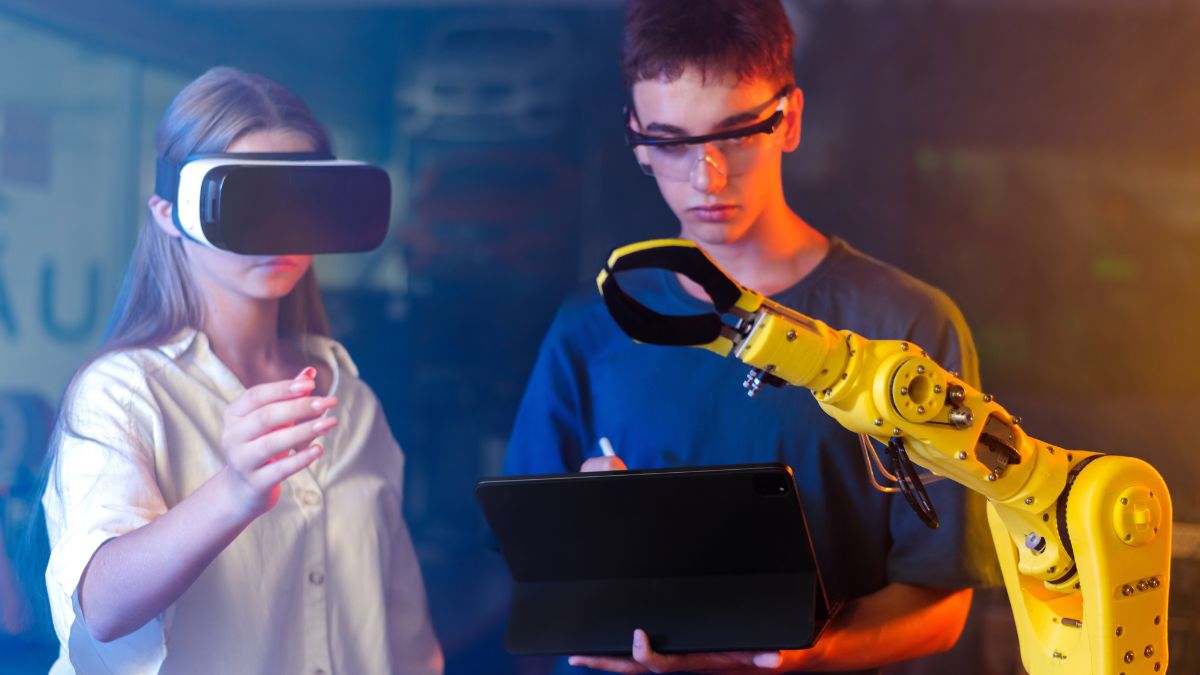

Artificial Intelligence isn’t taking over the world — but it is reshaping it. Jobs are evolving, industries are shifting, and the way we work is transforming faster than ever. So how do you stay ahead of the curve? The answer lies in mastering the right future skills.
In the age of AI, it’s not just about coding or knowing how to use fancy software. It’s about thinking critically, adapting quickly, and working alongside machines, not against them. Let’s cut into the must-have skills that will keep you relevant, valuable, and employable in this AI-powered world.
Adaptability
AI is constantly changing, and so are the tools and systems built around it. The ability to adapt — quickly and willingly — is going to be one of your strongest assets. Think about how often software updates or how frequently companies change their tech stack.
If you’re the type who resists change, you’ll struggle. But if you’re open to learning and can roll with the punches, you’ll thrive. In other words, flexibility isn’t just a soft skill anymore — it’s a survival skill.
Critical Thinking
With AI doing more of the routine tasks, what humans bring to the table is judgment. Critical thinking helps you question data, challenge assumptions, and make smart decisions based on logic, not just algorithms.
AI might tell you what’s likely to happen — but it can’t tell you if it should. Your ability to interpret results, spot flaws in data, or make ethical calls will set you apart.
Data Literacy
You don’t need to be a data scientist, but you do need to speak the language of data. Understanding how to read charts, spot patterns, and interpret analytics will help you make better decisions in every role.
From marketing to HR, knowing what the data is saying — and what it’s not — gives you a huge edge. It’s like reading between the lines of an AI-generated report.
Tech Savviness
This one’s obvious, but let’s break it down. Being tech-savvy doesn’t mean you have to know how to build an AI model. It means you’re comfortable using digital tools, learning new software quickly, and understanding how tech affects your work.
Whether it’s collaborating in a virtual workspace or using AI tools like ChatGPT, you need to be confident navigating the digital world.
Here’s a quick breakdown of tech-related skills that matter:
| Skill Area | Why It Matters | Examples |
|---|---|---|
| Digital Tools | Everyday productivity | Google Workspace, Slack, Notion |
| AI Tools | Collaborating with automation | ChatGPT, Jasper, DALL·E |
| Cloud Platforms | Working remotely & at scale | AWS, Azure, Google Cloud |
| Cybersecurity | Protecting data | 2FA, VPNs, threat awareness |
Creativity
You’d think machines would replace creativity — but they actually amplify it. AI can handle repetitive stuff, which gives you more space to think outside the box. Whether it’s designing campaigns, writing scripts, or building new products, creative thinking is a massive value-add.
In a world of AI-generated content, original human ideas stand out even more. So bring your imagination to work every day.
Emotional Intelligence
Emotional intelligence (EQ) is your ability to understand people, communicate well, and build relationships. AI can simulate a conversation, but it doesn’t feel. That’s where you shine.
Leaders with high EQ are better at managing teams, resolving conflicts, and building trust. In jobs that involve people — which is most of them — EQ is priceless.
Collaboration
AI might handle the solo tasks, but teamwork is still a human superpower. The ability to collaborate with others, across cultures and time zones, is key. Especially in remote and hybrid work environments, strong communication and team dynamics matter more than ever.
You’ll also need to learn how to collaborate with AI — knowing when to lean on it, and when to take over.
Lifelong Learning
AI doesn’t stop learning, and neither should you. In fact, one of the most important skills in the AI era is the willingness to keep learning. Whether it’s picking up new tools, reading about trends, or taking online courses — stay curious.
The best employees (and entrepreneurs) will be those who treat learning as part of the job, not just a requirement.
Ethics
With great tech comes great responsibility. AI raises all kinds of ethical questions — from data privacy to bias in algorithms. Understanding these issues, and knowing how to respond to them, will be a must for future professionals.
You don’t need to be a philosopher, but you should have a moral compass. Companies will rely on people who can help make AI fair, transparent, and accountable.
The future isn’t about competing with AI — it’s about complementing it. Machines are fast, accurate, and tireless. But humans bring judgment, empathy, creativity, and big-picture thinking. If you build the right mix of tech and human skills, you won’t just survive the AI revolution — you’ll lead it.
So start now. Learn a new tool. Practice critical thinking. Take an online class. In the age of AI, your ability to grow is your greatest asset.
FAQs
What skills will AI never replace?
Creativity, empathy, ethics, and human judgment remain irreplaceable.
Do I need to learn coding for AI jobs?
Not always. Tech-savviness and data literacy are more essential for many roles.
Why is emotional intelligence important?
It helps you lead, connect, and communicate — things AI can’t do.
Is adaptability really a skill?
Yes, the ability to adjust quickly is key in an evolving AI workplace.
How can I improve my AI-era skills?
Take online courses, use AI tools, and commit to lifelong learning.

Comments are closed.