
266 complaints in 1 year, public toilet above the main line; complete timeline of Indore tragedy

Indore Water Contamination Full Timeline: Indore city of Madhya Pradesh is going through a serious tragedy, in which more than a dozen people have lost their lives. Several people, including a newborn baby, have died after drinking contaminated water in Bhagirathpura area of the city. Indore, which has been called the cleanest city in the country for many years, is now in the headlines due to dirty water and deaths due to it. Investigation of this incident has revealed the reason for the outbreak of diarrhea in the city, due to which a large number of people fell ill and many had to be admitted to the hospital. Reports indicate that there was serious negligence and administrative lapses behind this tragedy, which could have been avoided in time.
At least 15 people have died after drinking contaminated water supplied by the Municipal Corporation in Indore, Madhya Pradesh. The dead included an infant and at least six women. Last week, around 2,800 people fell ill in Bhagirathpura area, while more than 100 people were admitted to hospital after complaining of vomiting and diarrhoea.
15 people so far
The government put the death toll at 9 to 10, while local reports said 15 people had died due to contaminated water. Geeta Bai, who was undergoing treatment for the last eight days, died last night, making her another victim of this accident. The families who lost their relatives say that contaminated water was the cause of their death. Preliminary investigation has revealed that due to deficiencies in the infrastructure, sewage or dirty drain water got mixed with drinking water, due to which the disease spread.
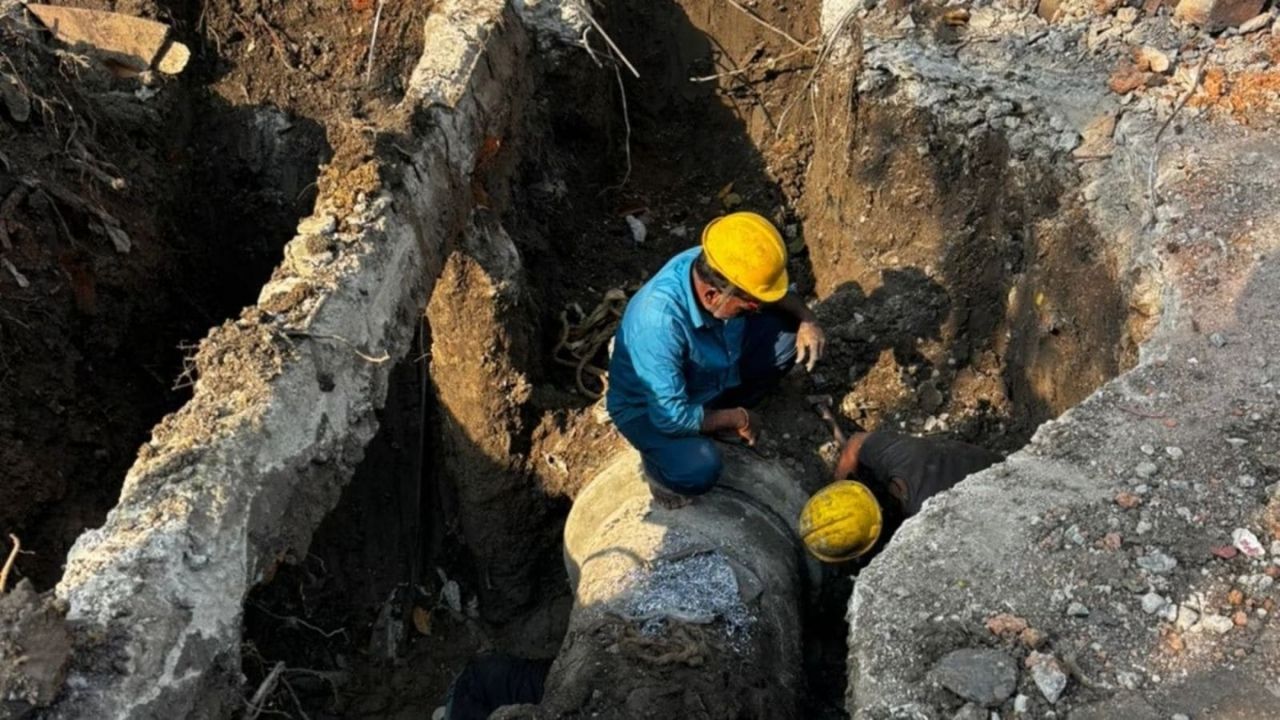
Sewage water mixed in drinking water (Image- Social Media)
Full timeline of the incident
- In mid-December 2025, residents of Bhagirathpura area, with a population of about 15,000, realized that the water coming from the taps had a foul smell and its color also appeared dirty. Local people repeatedly complained to the municipal authorities, but no concrete steps were taken.
- Water supply continued on 25 December 2025, although many families complained of its bitter taste and strong smell. Due to lack of alternative, some people, despite their concerns, used this water for drinking and cooking.
- The initial information about the disease was received on 27-28 December 2025, when people started complaining of vomiting, severe diarrhea, dehydration and weakness after drinking tap water. The initial patients were treated at local doctors and clinics while health teams began testing.
- On December 29, 2025, the number of patients increased rapidly. Mayor Pushyamitra Bhargava confirmed at least three deaths due to diarrhea from contaminated water. During this period, the number of people admitted to hospitals also started increasing.
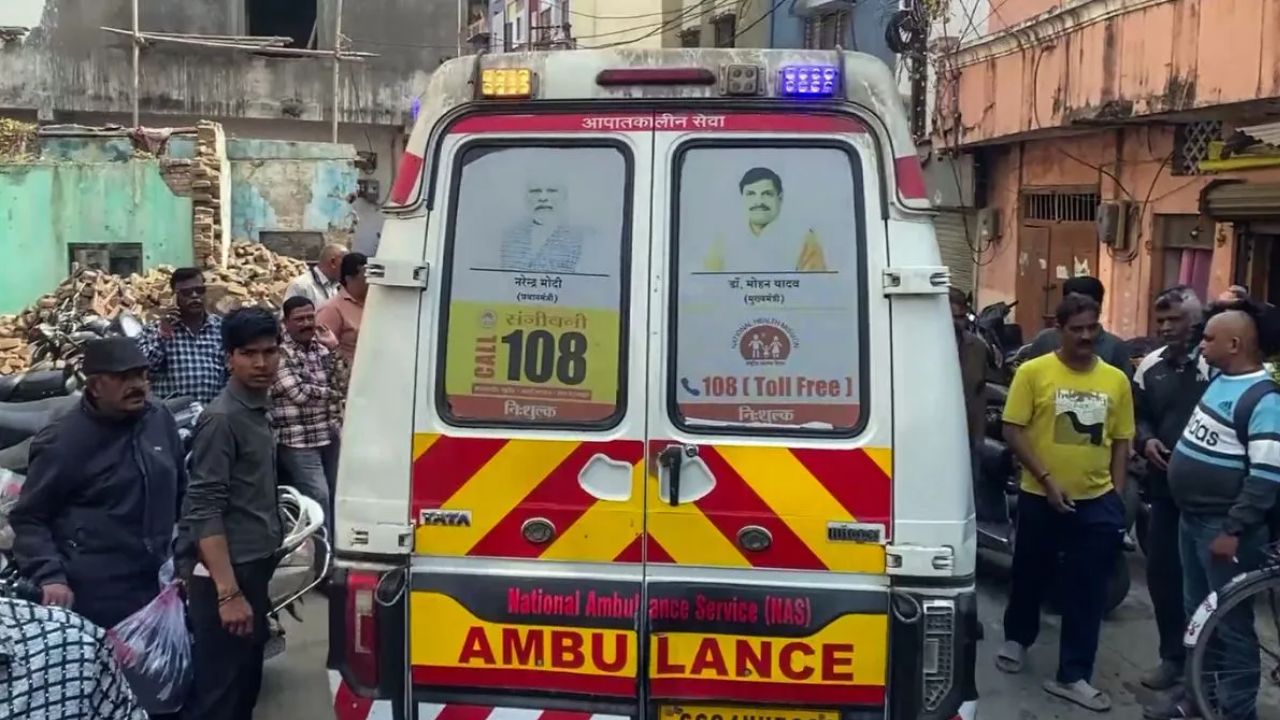
Indore water tragedy (Image- Socil Media)
- On December 30, 2025, the number of hospitalized patients exceeded 100. According to reports, more than 1,100 people had fallen ill in the area. The health department intensified the door-to-door survey.
- Controversy arose regarding the figures of deaths on 31 December 2025. 4 to 7 deaths were officially confirmed. The family members claimed that the six-month-old baby died due to milk made from contaminated water. The government announced a compensation of Rs 2 lakh each to the families of the deceased. A zonal officer and an assistant engineer were suspended, while a sub-engineer was dismissed.
- Lab testing on 1-2 January 2026 made it clear that bacteria were present in the Municipal Corporation’s water supply. The survey revealed that hundreds of families fell ill, while many people became healthy after treatment. The pipeline from which dirty water was coming was repaired and cleaned. Officials advised people not to use tap water until the water is declared safe.
What did the victims say?
Sunil Sahu, who lost his six-month-old son, told a news channel that he had mixed a little tap water in packaged milk and fed it to the child. After this, symptoms of fever and diarrhea started appearing in the child. Despite treatment, his condition worsened and he died on the way to the hospital. Sunil said that he had this child after 10 years of prayers. He said, “We had no idea that tap water would be so contaminated. Perhaps all this happened because of that water.” The family members of another victim said that the condition of his father and aunt is critical and both are admitted in the hospital.
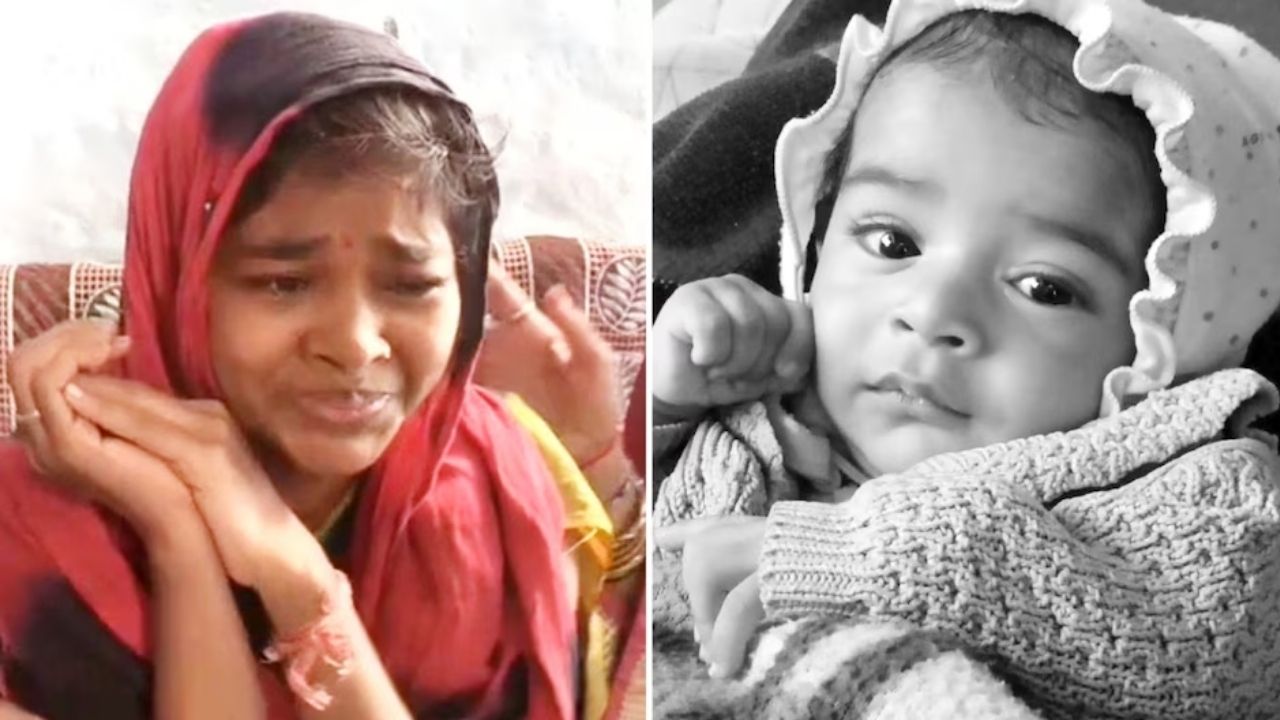
Victim family (Image- Social Media)
Could this accident have been avoided?
According to reports, in the last one year the Municipal Corporation had received 266 complaints regarding water quality. 23 formal complaints were lodged from Bhagirathpura area itself, but no action was taken in time. According to NDTV and other reports, a tender worth Rs 2.4 crore was passed in August 2025 to replace the pipeline, but the work has not started. Repairs to the pipeline were initiated when deaths began to occur.
What did the investigation reveal?
In the lab report, dangerous bacteria were found in 26 out of 70 water samples. Investigation also revealed that a public toilet was built above the main drinking water pipeline, due to which the sewage directly mixed into the water. The state government has constituted a three-member committee to investigate the incident. So far 272 patients have been admitted to the hospital, many of whom have recovered and returned home. Three officials have been suspended and water is being supplied through tankers to the affected areas.
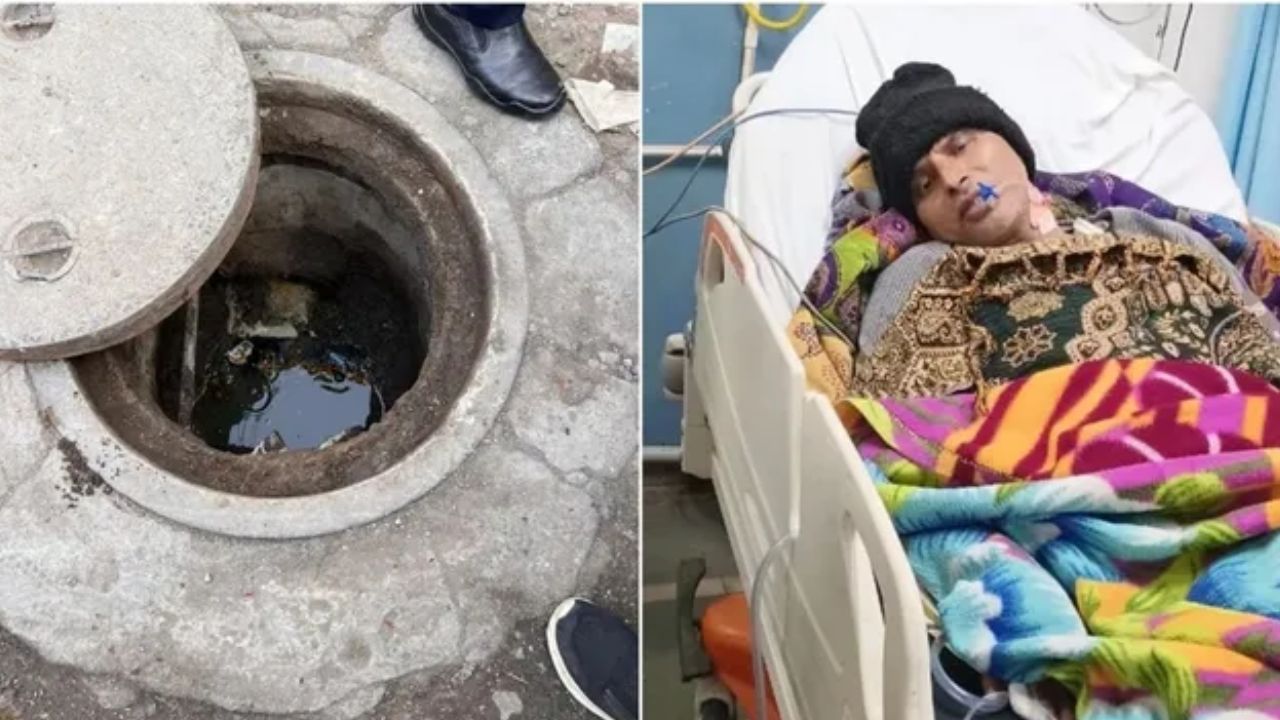
The public toilet was above the main drinking water pipeline (indicative picture)
Also read- Today and tomorrow there will be severe cold from Kashmir to Bihar, know how the weather will be in future.
WHO warning
According to the World Health Organization (WHO), contaminated water can spread serious diseases like cholera, typhoid and dysentery. This incident in Indore shows that even a city famous for cleanliness can face a serious crisis due to negligence in water quality. Safe water, timely testing and prompt treatment are the most effective ways to prevent such incidents.

Comments are closed.