
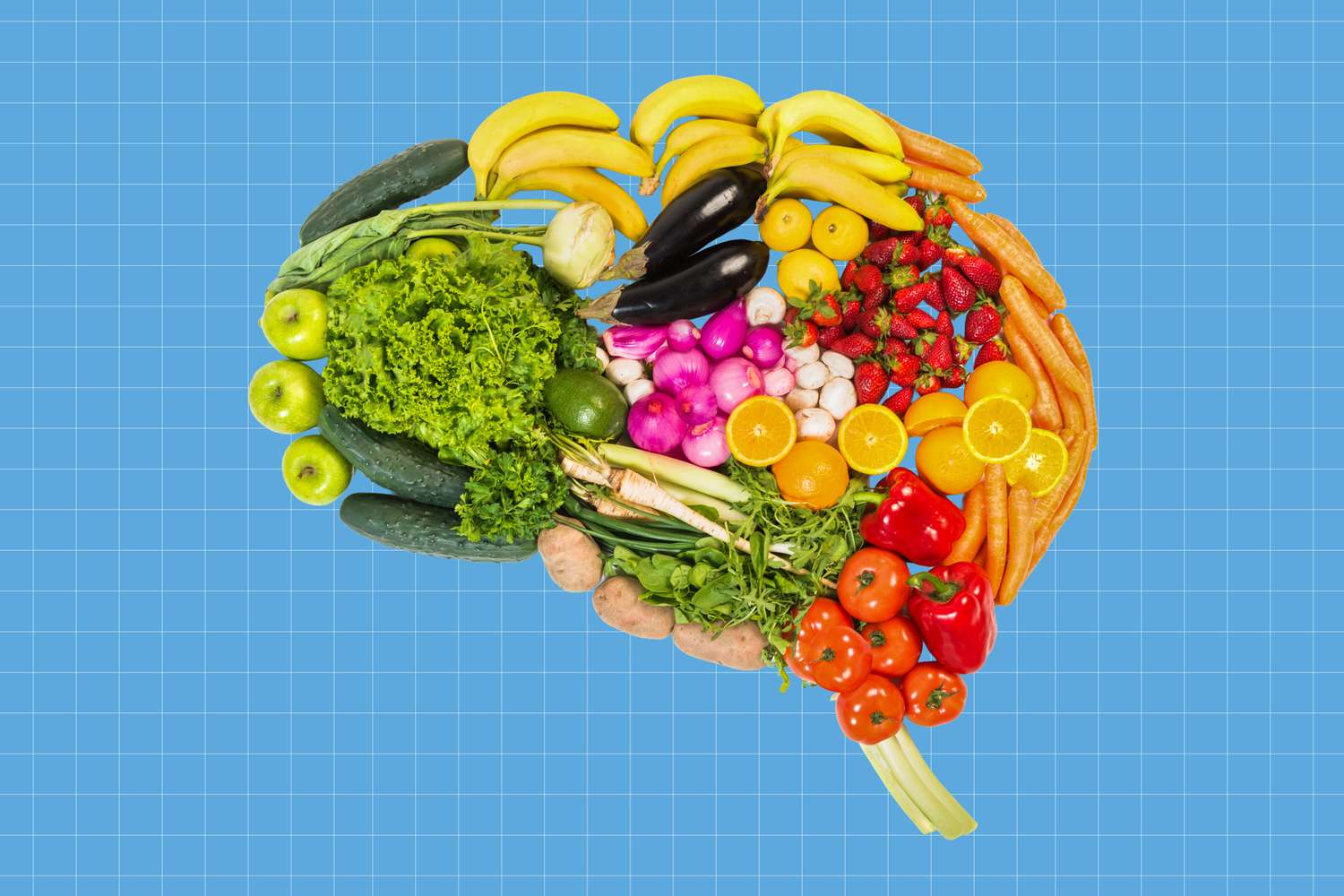

- Your diet can impact your brain and the risk of developing neurodegenerative conditions.
- Foods like extra-virgin olive oil, berries and eggs have nutrients to benefit brain health.
- More brain health-promoting habits include exercise, stress management and sleep.
Memory is much more than stored information. From helping us retain knowledge, recall cherished moments and navigate day-to-day tasks, our memory shapes our identity and how we experience life. As we get older, important memories may begin to fade. In fact, around 57 million people live with dementia worldwide, with nearly 10 million new cases emerging each year.
While age, genetics and lifestyle habits play a role in memory decline, what you eat every day also impacts how well your brain functions. Certain nutrients and compounds in the foods we consume can help shield our brain cells, lower inflammation and enhance communication networks that are the basis of memory. That’s why we spoke with dietitians to share the top seven foods to eat every day to help preserve your memory.
1. Extra-Virgin Olive Oil
One of the most powerful foods for brain health may already be in your kitchen cabinet, and that food is extra-virgin olive oil. But what gives this kitchen staple its brain-boosting edge? “Extra-virgin olive oil (EVOO) is high in polyphenols, which are plant compounds known for their neuroprotective antioxidant and anti-inflammatory properties,” says Maggie Moon, M.S., RDNa brain health nutrition specialist.
She explains that researchers believe EVOO supports memory and cognition by reducing oxidative stress, lowering neuroinflammation and enhancing the integrity of the blood-brain barrier. More specifically, she highlights that EVOO may help slow the formation of amyloid-beta protein plaques and tau tangles, which are two structural changes in the brain commonly linked to dementia.
To reap these benefits, try using EVOO in homemade salad dressings, for light sauteing or as a finishing touch over vegetables, grains, dips or soups.
2. Oily Fish
Oily fish, such as salmon, sardines, anchovies and mackerel, offer much more than high-quality protein. They also contain key nutrients that have been proven to protect your brain. Jessica Cording, M.S., RD, CD, IFNCP shares that they are rich in long-chain omega-3 fatty acids, specifically docosahexaenoic acid (DHA) and eicosapentaenoic acid (EPA). She notes that these healthy fats have been found to help support brain structure, cell communication and may play a role in guarding against age-related cognitive decline.
What makes oily fish especially compelling is how practical and easy it is to incorporate into everyday meals. “A salmon sheet pan dinner with your favorite veggies is a great, easy meal idea, but tinned fish counts too! Enjoy canned tuna, mackerel, salmon or sardines as an easy protein for salads, sandwiches or pasta dishes,” says Cording.
3. Leafy Green Vegetables
When it comes to protecting your memory, regularly eating leafy greens can help keep your mind sharp as you age. “Leafy green vegetables, especially cruciferous vegetables like broccoli, may be particularly helpful for preserving episodic memory, the kind of memory that plays like your favorite re-run episode on TV,” says Moon. She adds that studies on the MIND diet, known for its emphasis on leafy greens, show a clear pattern: people who ate more leafy green vegetables had fewer Alzheimer’s-related changes in their brains.
Moon notes that these positive outcomes are largely due to the high concentration of antioxidants and vitamins, particularly carotenoids and B vitamins. “Higher carotenoid levels have been linked to better global cognition scores in Americans at risk for cognitive decline. B vitamins like the folate in leafy greens help the body recycle homocysteine, a potential risk factor for dementia.”
You can easily benefit from these nutrients by blending leafy greens into smoothies, folding them into omelets, tossing them into salads or stirring them into soups and pasta dishes.
4. Blueberries
Among fruits associated with improved brain health, blueberries stand out as one of the best for supporting memory. “Blueberries contain compounds called anthocyanins and polyphenols that have been linked with improved cognition and better vascular function, which is key for healthy blood flow to the brain,” says Cording. She points out that they’re also a source of vitamin C, another key nutrient and antioxidant that protects the brain from damage.
To incorporate them into everyday meals, Cording recommends keeping them stocked in your fridge and freezer to add to smoothies, yogurt, oatmeal or as a stand-alone snack.
5. Tomatoes
Tomatoes may be known for the flavor and versatility they add to everyday meals, but they also offer memory-protective benefits when enjoyed consistently. Moon shares that, in a culturally adaptive version of the MIND diet followed by Korean older adults, it is recommended to eat at least three servings of tomatoes a week for their antioxidant properties. “The brain uses more antioxidants than the body can generate on its own, which is why consuming antioxidant-rich foods like tomatoes is essential for memory and cognition.” Tomatoes are especially high in the antioxidant lycopene, which helps reduce inflammation and protect neurons in the brain.
Fortunately, there are plenty of ways to incorporate this antioxidant-rich food into your diet. You can enjoy them fresh in salads, simmered into sauces or blended into warm and comforting soups to support long-term brain health.
6. Eggs
Beyond being a morning mainstay, eggs contain nutrients that play a meaningful role in brain health. “Eggs are a good source of choline, an essential nutrient that supports memory and cognition,” says Cording. She explains that choline is needed for the production of acetylcholine, a neurotransmitter important for memory and learning. “Recent research has also linked higher egg intake to lower risk of Alzheimer’s dementia.”
To maximize their memory-boosting benefits, Cording emphasizes not skipping the yolks—since that’s where the brain-supportive nutrients are found. With their versatility and quick cooking time, you can enjoy eggs boiled as a snack, mashed into your favorite tuna or chickpea salad, scrambled as a side or baked into a quiche.
7. Prunes
Although prunes are typically associated with bowel regularity and bone health, they are also an underappreciated ally in the fight against memory decline. “Prunes offer many of the same antioxidants as berries in an ultra-convenient form that doesn’t require refrigeration or freezing,” says Moon. She mentions that the brain is prone to oxidative stress, so it needs high levels of antioxidants to counteract this effect. Regularly eating prunes is a great way to boost antioxidant intake and support cognitive health.
Moon recommends using prune puree in parfaits, incorporating it into a sauce or glaze to enjoy over lean pork or poultry or simply eating it as a snack.
Other Strategies to Protect Against Memory Decline
Along with regularly adding brain-boosting foods to your plate, both dietitians recommended the following strategies to further protect against memory decline:
- Prioritize plants: Moon recommends making plant foods, such as fruits, vegetables, legumes, nuts and seeds, the center of every snack and meal, while limiting solid fats and added sugars.
- Balance your blood sugars: “Supporting stable blood sugar is also important, as consistently elevated blood glucose has been linked to cognitive health issues,” says Cording.
- Exercise every day: “Studies have shown that regular physical activity improves blood flow to the brain and supports neuroplasticity. Both aerobic exercise and strength training have been shown to provide memory-related benefits,” explains Cording.
- Get enough sleep: “Go to bed and start your day at consistent times each day, even on weekends and when traveling,” says Moon. Cording adds that deep sleep is necessary for brain detoxification and memory consolidation.
- Connect with community: Moon suggests keeping in touch with friends, family and your community every day and avoiding isolation.
- Manage stress: “Chronically high levels of stress hormone cortisol can have negative impacts on brain health,” notes Cording. Both dietitians recommend incorporating stress management techniques, like deep breathing, and creating stress management mantras to help manage stressful situations.
Our Expert Take
Protecting your memory starts with what you put on your plate. By including memory-preserving foods in your daily meals and snacks, you can give your brain the tools it needs to function at its best. From the polyphenols in extra-virgin olive oil to the healthy fats in oily fish, folate in leafy greens, choline in eggs and antioxidants in blueberries, prunes and tomatoes, each of these seven foods offers important nutrients that support cognitive health and memory. However, it’s important to remember that daily habits like exercise, quality sleep and stress management also work alongside our food choices to protect our memory for years to come.

Comments are closed.