
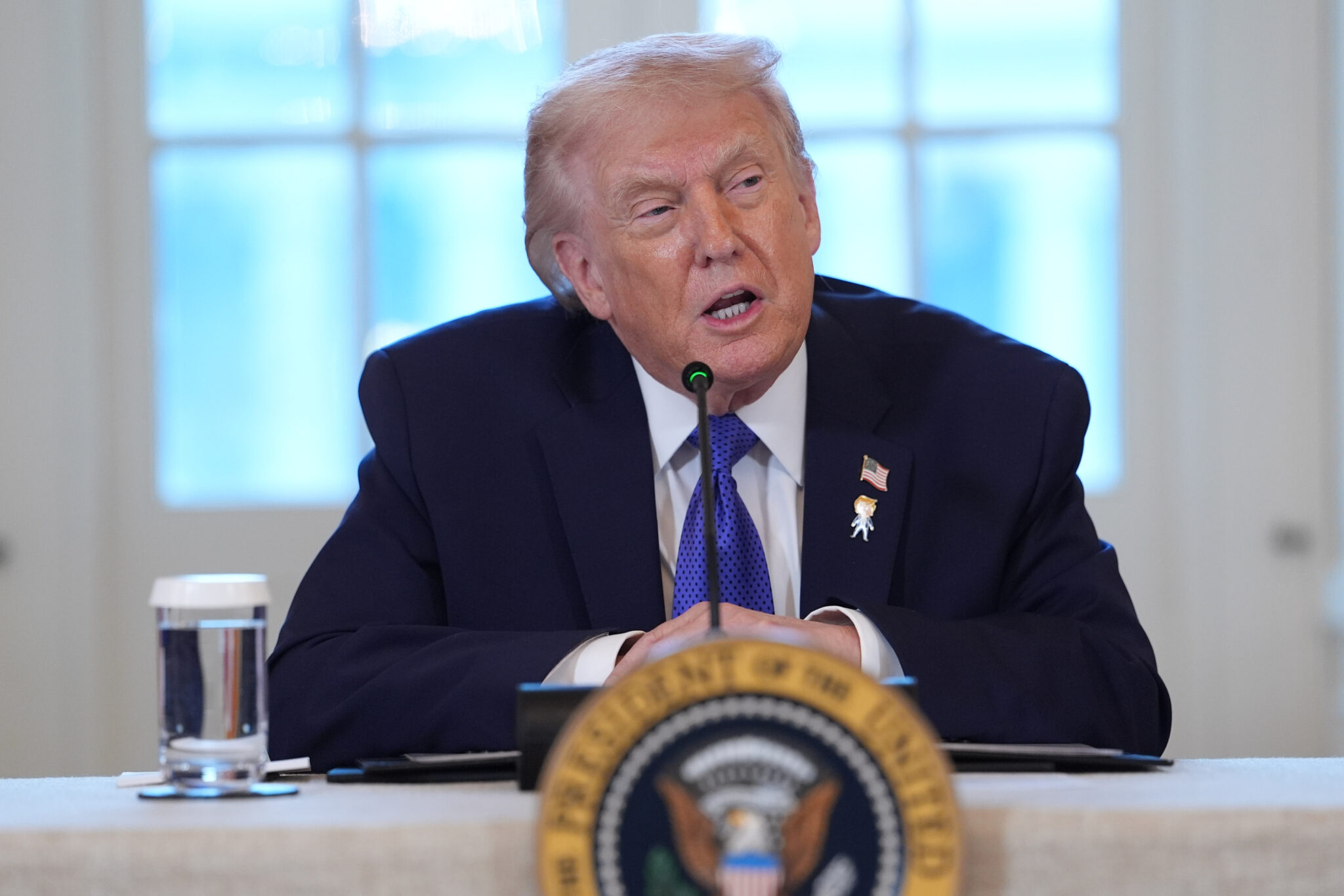

Trump: Only My ‘Own Morality’ Limits Presidential Powers Not International Law/ TezzBuzz/ WASHINGTON/ J. Mansour/ Morning Edition/ President Donald Trump stated in a recent interview that his power is only restrained by his own morality, dismissing the authority of international law. His comments follow a series of controversial global actions, including the U.S. military’s arrest of Venezuela’s leader. The remarks have drawn criticism for undermining global norms and legal standards.
Trump Own Morality Limits Power Quick Looks
- Trump says only his own morality restrains his presidential authority
- Dismisses need for international law, calling it unnecessary
- Comments made after U.S. captures Venezuela’s Maduro in military raid
- Claims he’s “not looking to hurt people,” despite bold actions
- Suggests international law is subjective based on interpretation
- Foreign policy increasingly guided by personal instinct, not legal norms
- Trump expresses interest in acquiring Greenland for strategic reasons
- Says ownership of land is key to psychological readiness
- Columbia’s president called Trump’s language toward his country threatening
- Trump’s views raise concerns about erosion of global legal frameworks
Trump Says Only his ‘Own Morality’ Limits Presidential Powers, Dismissing International Law
Deep Look
In a recent interview, President Donald Trump made headlines by declaring that his power as president is limited only by his own moralitybrushing off international laws and global standards.
His statement, “My own morality. My own mind. It’s the only thing that can stop me,” was made during a discussion that also touched on military operations abroad, including the controversial arrest of Venezuelan leader Nicolás Maduro.
When asked about legal boundaries, particularly under international law, Trump flatly responded that he does not “need international law.” He emphasized that while he isn’t out to harm anyone, his decisions are based on personal judgment and strategic priorities—not multilateral constraints or international consensus.
The interview followed recent U.S. military action in Venezuela, where Maduro was captured and brought to face charges in New York. The operation drew backlash across the globe and intensified questions around the administration’s adherence to international legal norms.
Adding to the controversy, Trump said he was considering further U.S. involvement in Greenland and Colombia. While discussing Greenland, Trump emphasized that “ownership is very important,” describing the landmass as critical for psychological preparedness and strategic advantage. He argued that treaties and leases don’t provide the same sense of control as full ownership.
Trump’s remarks were met with concern from Danish officialswho reiterated that “Greenland is not for sale” and remains under the control of the Greenlandic people. In Colombia, President Gustavo Petro warned that Trump had made what he considered a direct threat against the country, describing the U.S. posture as dangerous and destabilizing.
Asked whether he considers international law binding, Trump gave an ambiguous answer: “It depends what your definition of international law is.” He went on to suggest that he does follow law to some degree—but only when it aligns with his objectives and worldview.
The president’s view reflects a broader philosophy where power is asserted through personal conviction and unilateral action, rather than through consensus or shared legal frameworks. This position has placed the U.S. at odds with global allies and critics alike, especially in matters of foreign intervention, immigration, and trade.
While Trump claims his motives are not malicious, critics argue that dismissing international norms in favor of a “morality-based” approach opens the door to unchecked executive action. Supporters, however, see it as a reaffirmation of national sovereignty and strong leadership.
This marks another chapter in a presidency defined by its willingness to challenge established legal boundaries, both at home and abroad. From immigration enforcement to tariffs and foreign conflicts, Trump has tested the limits of presidential power—now declaring that the only real limit is his own sense of right and wrong.
As the administration continues to pursue an aggressive and often unpredictable foreign policy, Trump’s remarks underscore the ongoing tension between executive authority and global accountability.
More on US News

Comments are closed.