
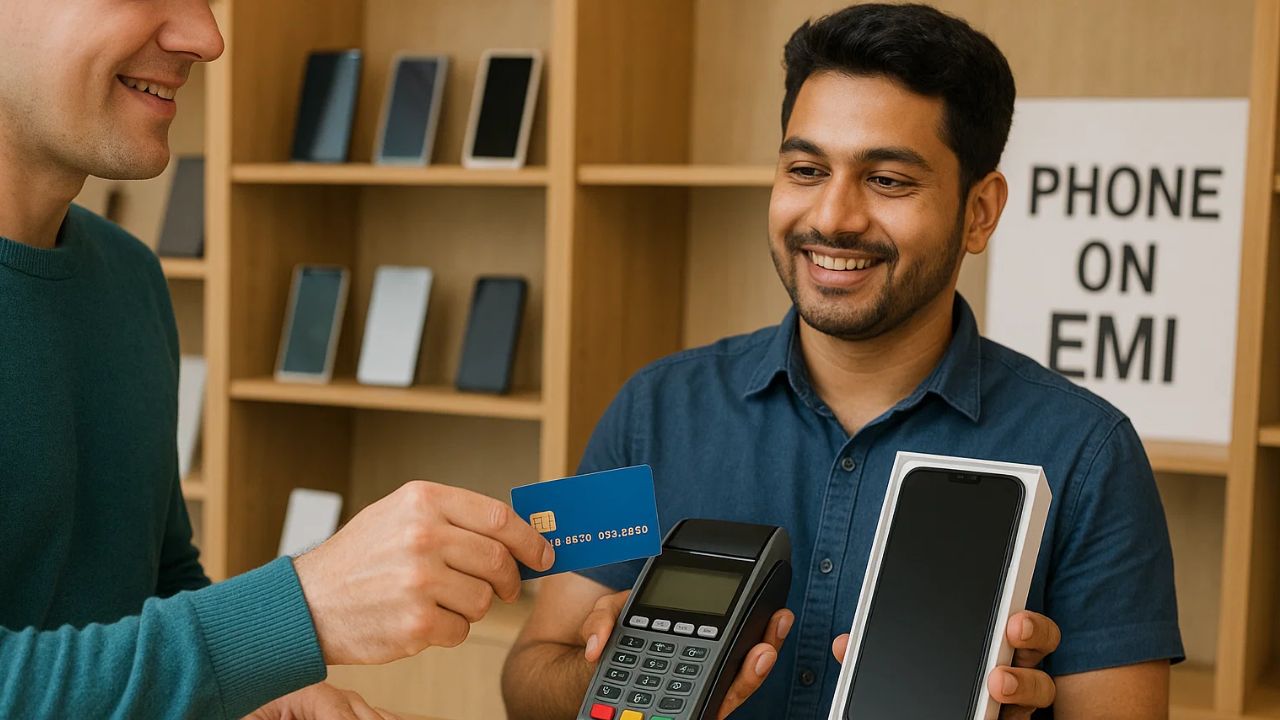

The Reserve Bank of India (RBI) is planning to crack down on those who buy phones on EMI and do not pay the installments on time. According to sources, RBI is planning to allow banks to lock mobile phones purchased on loan if the borrower defaults in repaying the loan. The move is aimed at curbing bad loans. However, this may raise concerns about consumer rights.
A 2024 study conducted by Home Credit Finance revealed that more than one-third of electronics goods, including phones, in India are purchased using small personal loans. According to telecom regulator TRAI (Telecom Regulatory Authority of India), there are over 1.16 billion mobile connections in India, indicating deep market penetration.
this also Read: what happened that allen Musk left behind and became the richest larry alison?
fair practice code
Sources said that last year, the Reserve Bank of India had asked lending institutions to stop locking the phones of customers who default, i.e. those who are unable to pay installments. In this process, phones were locked using an app installed at the time of issuing the loan.
Sources said that after consultation with lending institutions, the RBI will update its Fair Practice Code in a few months, which will include guidelines on phone locking arrangements.
He said that these rules would mandate prior consent of borrowers and would prevent lending institutions from accessing personal data stored on locked phones.
Recovery will speed up
“The RBI wants to ensure that lenders have the right to recover small loans, while also ensuring that customer data remains secure,” a source said.
If this measure is implemented, it could benefit major lending institutions like Bajaj Finance, DMI Finance and Cholamandalam Finance by speeding up recoveries and making it easier to extend loans to customers with bad credit.
According to credit bureau CRIF, loans under ₹100,000 ($1,133) have a higher risk of default, and some of these have the highest default rates. The share of non-bank lenders in institutions providing loans for such goods (consumer durables) is 85%.
Read this also–house-car-earnings; Apart from GST, where does the common man pay tax?
Large share of personal loan
According to central bank data, personal loans account for about one-third of total non-food loans in India’s banking system, while the number of loans for electronic goods like phones is growing rapidly.
However, consumer advocates have warned that if this change is implemented, millions of people could be exploited.

Comments are closed.