

Highlights
- The open-hardware movement is enabling hobbyists to design, modify, and repair electronic devices with greater freedom and personalization.
- Cheap maker tools, DIY kits, and worldwide online communities have played a significant role in the revival of hobby electronics and independent innovation.
- By making the technology less dependent on disposables and non-repairable tech, open-hardware promotes education, creativity, personalization, and sustainability.
- The hurdles to overcome include the requirement of technical skills, maintaining quality consistency, being aware of legal licensing, and the need for certification for mass production.
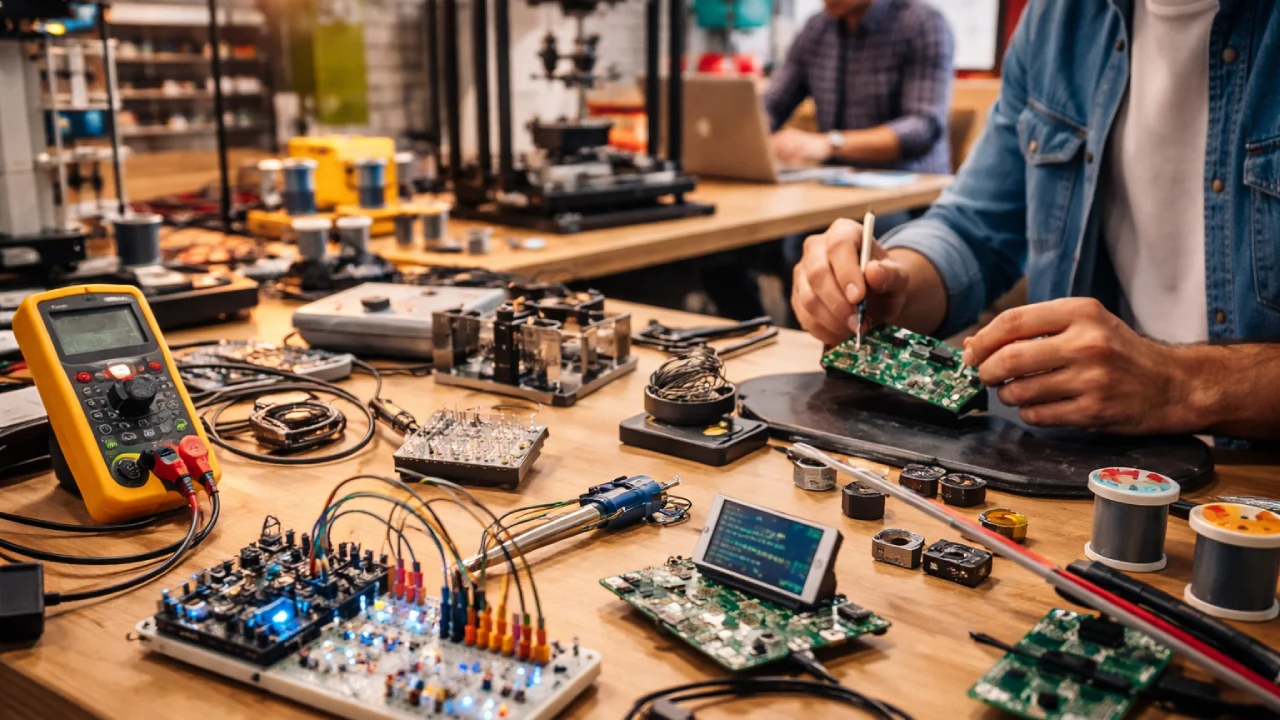
Technology used to be a source of mystery; it was sealed and inaccessible. Most consumer electronics were built for use, not for understanding. Yet a dramatic cultural transformation has taken place over the years. The open-hardware movement has restored the thrill of making, fiddling, and experimenting, thus giving the freedom to hobbyists, students, engineers, and enthusiasts to design technology on their own terms. Rather than merely taking the technological products that the companies offer, people are now engaging in the activity of modifying, personalizing, and innovating.
Open hardware is based on one simple principle: the designs, schematics, and software that are the basis of gadgets are shared publicly without restrictions. Any individual can learn how a device functions, enhance it, fix it, or create new things from it. Open-source software changed programming forever, just as open hardware is reshaping the area of physical technology.
What Are the Reasons for the Open-Hardware Movement to Grow Again?
One of the major factors for this resurgence is the easy accessibility. Tools that were once available only to industrial labs are now affordable and have turned out to be widely used.
Development boards such as Arduino, Raspberry Pi, ESP32, and microcontroller kits make it easy for beginners to try out new things in the fields of robotics, automation, and electronics. Makerspaces, universities, and innovation labs are places where people can learn by having access to high-tech tools such as 3D printers, soldering irons, and CNC machines.
The internet has played a very important role in this movement. Nowadays, hobbyists are not isolated in their learning process. Online communities, tutorials, forums, GitHub repositories, and YouTube channels give detailed instructions. If someone is interested in building a drone, designing a smart home device, creating assistive tech, or coming up with something entirely new, there will always be someone online who has already tried out something similar and is eager to share his or her knowledge.
Another main cause is the longing for control and personalization. A lot of new gadgets are shut, hard to fix, and costly to upgrade. Open hardware is like its antonym: it comes with full disclosure, versatility, and customers’ rights. It is the users who now have the power to make their devices according to their specific needs rather than to endure restrictions set by manufacturers.
Impact on Education and Learning
Open hardware has redefined technology learning. Students no longer just learn about electronics through theories; they now get to build functional systems. Open-hardware tools are becoming common in schools and universities for teaching robotics, IoT, automation, AI projects, and engineering concepts practically. Learning is no longer mere memorization; it is problem-solving, which in turn builds one’s creativity, confidence, and the ability to solve problems.
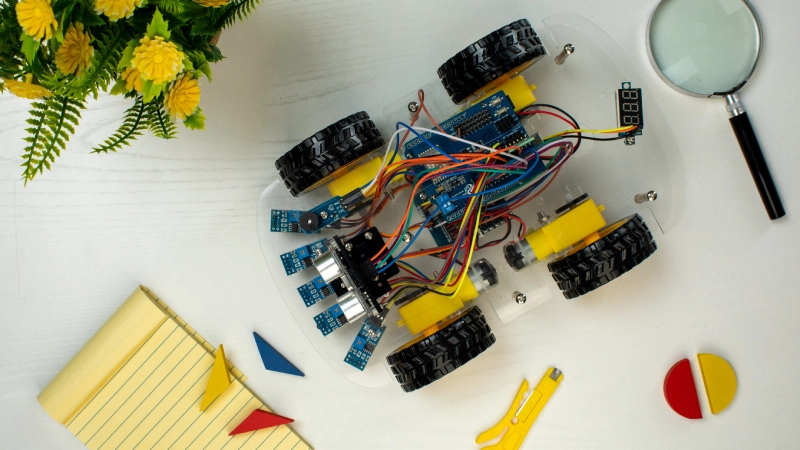
For a lot of young innovators, open hardware is the first step into engineering, product design, and technology entrepreneurship careers. An unbelievable number of startup ideas today start as open-hardware trials made at home, in labs, or in college clubs.
Driving Innovation and DIY Culture
Open hardware is not just a learning opportunity; it is also a powerful innovating force. Independent inventors and small teams can now realize their ideas much quicker and at a lower cost than before. The creators are no longer dependent on large corporations to manufacture the whole thing; they can now conduct their experiments without restrictions. The result is a diversity of devices that cater to specific needs, community-oriented innovations, and technology that is more user-friendly.
Moreover, it has brought back the tech DIY culture but in a contemporary and more vibrant way. People do not build their own devices merely due to a lack of money, but also because it is fun, empowering, and creatively satisfying.
Sustainability and Repair Freedom
The sustainability aspect is another significant point of the open-hardware movement. The most common scenario with today’s commercial gadgets is that they are launched in a manner that they have to be replaced rather than repaired. In most cases, batteries are inaccessible, spare parts are very expensive, and repairs are very time-consuming. Open hardware turns the opposite scenario of the market upside down by advocating for transparency, ease of repair, and the longer life of the product.
This is a win-win situation since less e-waste is generated and tech users gradually adopt a more responsible lifestyle. Rather than throwing away the devices, they can be repaired, upgraded, or repurposed. This also reinforces the “right to repair” perspective, so the users can be sure that they really own the devices they purchase.
The Power of Community
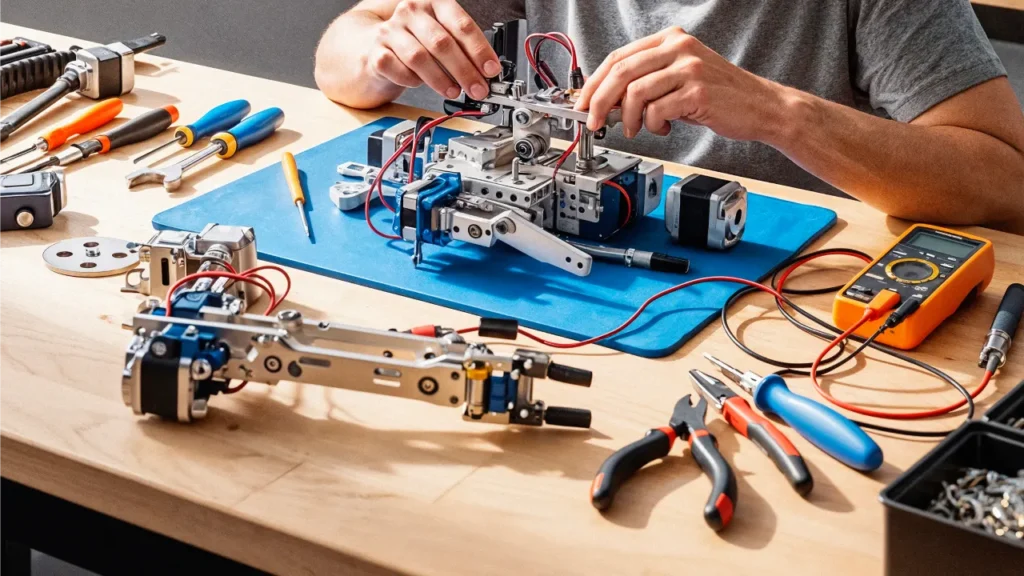
The foundation of the open-hardware concept is no other than its community. Makerspaces, hobby clubs, hackathons, and global forums are places where one can get valuable collaboration, mentorship, and shared creativity. People do not hesitate to share their ideas, and they do not mind working together regardless of any challenges, and they don’t relate the issue of innovation to competition, and thus, there is no secrecy. This cooperative spirit is one of the main reasons the movement is constantly alive and changing.
Challenges and Limitations
The open-hardware movement, however, faces some hurdles. The hardware development process requires quite a long time, consistent learning, and some level of technical knowledge, which can scare off some people. The quality of the output varies with the projects and the skills of the individuals involved, as well as the components used, which are readily available.
At the same time, procedures like licensing, intellectual property, and safety certification can be scaled from hobby projects to commercial products. The supply of some of the advanced parts is still limited to the expensive ones or the proprietary ones, making it possible that some of the possibilities are cut off.
Nonetheless, these hurdles do not in any way underestimate the importance of the open-hardware movement. On the contrary, they pave the way for stronger learning, better collaboration, and higher design standards.
Who Benefits the Most?
The open-hardware movement is a benefit that encompasses a large group of people, such as:
- Students and learners who are engaged in the exploration of technology
- Lovers of building and experimenting who are termed as hobbyists
- Innovators and founders of start-ups
- Teachers and researchers working in academic institutions
- Those who promote sustainability
- Everyone who desires to have more power over their electronic devices
Conclusion
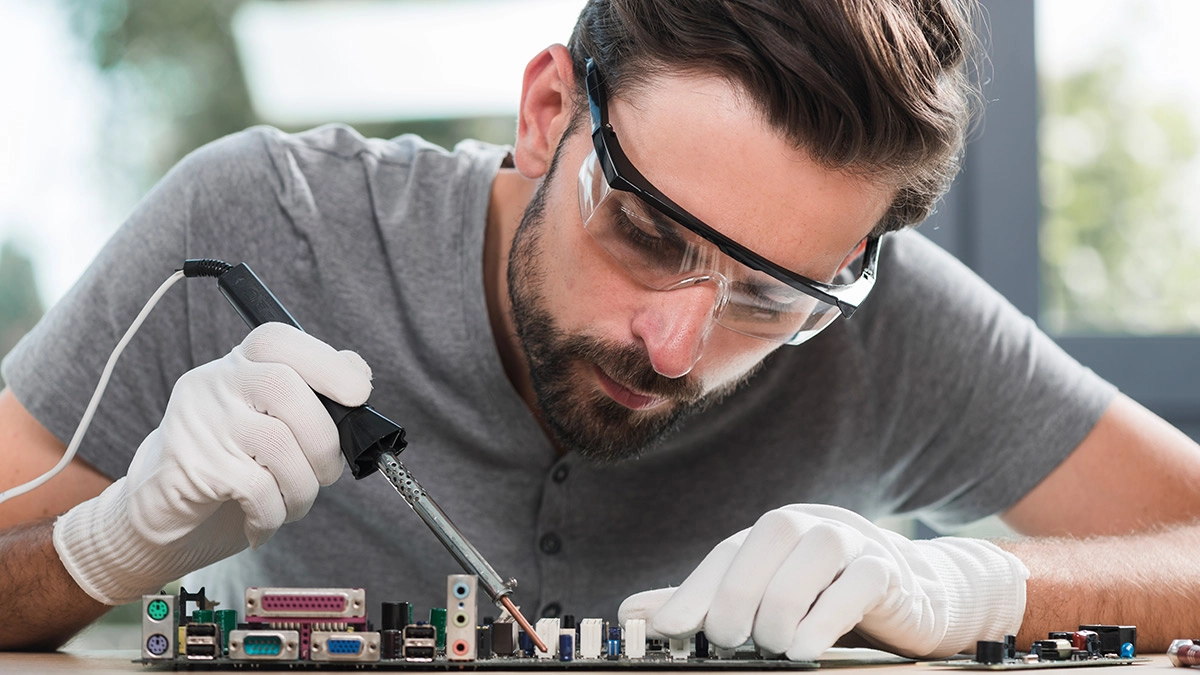
The open-hardware movement is not merely a pastime; a significant cultural and technological upheaval is taking place, which is redefining electronics’ access and use. It maintains a shift upfront on the user side by giving them power, ownership, and knowledge. Thus, it inspires, encourages, and promotes in a new way, while taking technology to the back door, reviving a sense of curiosity in it.
People are not just passive users anymore; they are becoming active creators once again. As better tools come along and more people join the communities, open hardware will have a greater influence on the future of devices, education, and innovation on a global scale.

Comments are closed.