

Highlights
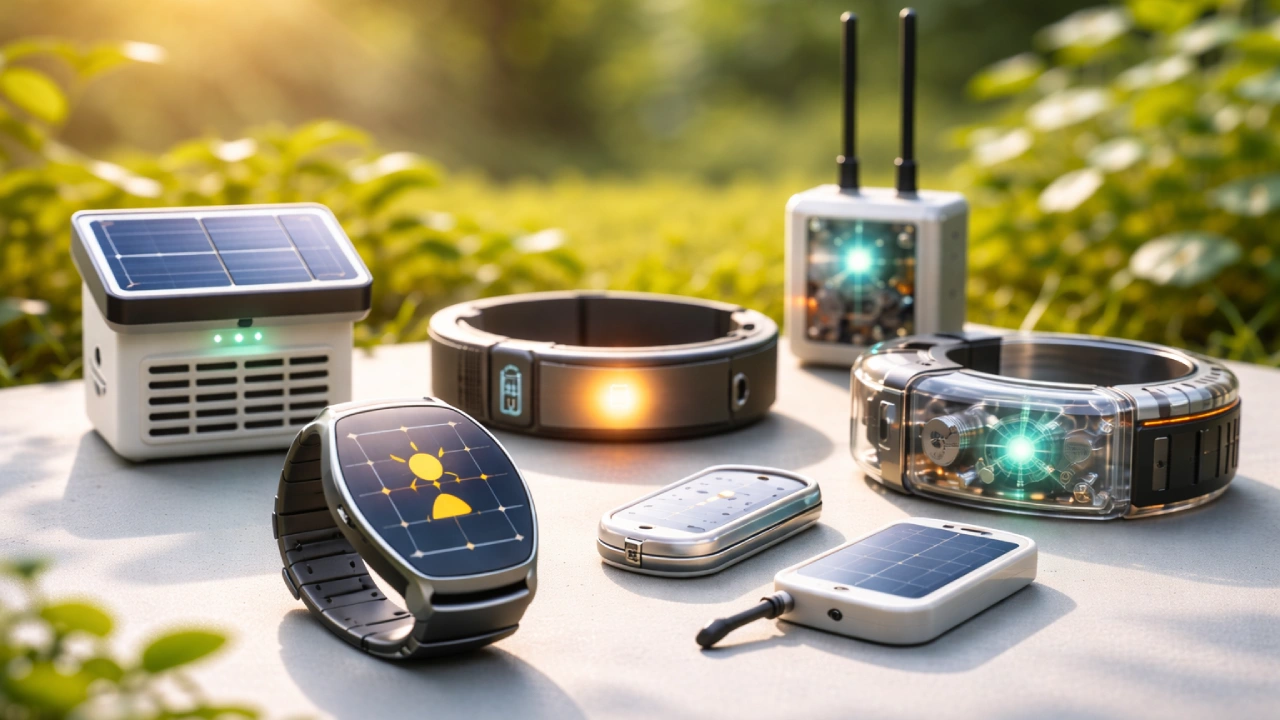
- Energy harvesting gadgets are those that produce energy from natural sources like the sun, heat, and motion.
- The trend is moving towards applications in wearables, IoT sensors, remote monitoring devices, and green technology.
- Advantages consist of eco-friendliness, less battery usage, and more extended convenience over time.
- Disadvantages include erratic power supply, dependency on the climate, and initial costs being higher than those of conventional energy sources.
The more our world becomes technology-driven, the higher the need for electricity and batteries. However, besides this need, there is more and more awareness about environmental sustainability, e-waste, and the need for smarter energy solutions. Hence, energy-harvesting devices have attracted serious attention. Rather than only depending on charging cables or replaceable batteries, these gadgets produce power from surrounding environmental sources, for instance, sunlight, body heat, and motion, which are all quite normal. They aim to make technology a little less dependent on nature, eco-friendly, and long-lasting.
Energy harvesting seems like a concept from the future, but it is actually a part of today’s real products and industries. From wearable devices that are able to power themselves partially to smart sensors that last for years without having to change the battery, the field is leading to the development of efficient, self-sustaining electronics.
What Is Energy Harvesting and How Does It Work?
Energy harvesting is the process of collecting minute amounts of energy that come from the environment and transforming it into electric power that is usable by devices. Unlike traditional battery charging, this energy is produced continuously in the background without the user having to constantly plug in the devices.
The three most notable ways of capturing energy are solar, thermal, and kinetic energy. Among them, solar energy harvesting is the most common and widely used method. This type of energy harvesting employs photovoltaic cells that convert light into electricity, which makes it highly suitable for gadgets and wearables designed for outdoor use.
Thermal energy harvesting works by converting the heat or cooling produced from a body or equipment into electricity through the use of thermoelectric generators.
Kinetic energy harvesting is a process of producing power through motion or vibration, and it utilizes even walking, running, or equipment movement to make the energy available to a device as usable as batteries.
Where Are Energy Harvesting Gadgets Used Today?
Energy harvesting technology has moved beyond the laboratory to real-world applications, and it is steadily gaining acceptance as a primary source of power. One of the most common applications is smart wear. Some of the most popular devices are solar and heat-patch smartwatches and other wearables that can stay charged partially through these sources. They are eco-friendly because they significantly reduce the carbon footprint associated with frequent battery recycling. A boost at any time can be a big relief in daily life.

Another technology where energy harvesting is actively deployed is IoT. The widespread deployment of IoT sensors in places that do not allow for scheduled battery changes or charging is one of the most important areas where the technology has been applied. These sensors are located in areas like agricultural fields, bridges, pipelines, industrial plants, remote research stations, and smart city infrastructures. The energy harvesting technology allows these sensors to run for several years without any human interference in data transmission.
Health care, too, is one such sector receiving great advantages from energy harvesting. Some wearables for medical monitoring are now working on thermoelectric power, which enables reliable long-term monitoring without interruption due to charging. In industrial environments, monitoring equipment through sensors powered by machine vibrations can predict failure before it happens.
Will These Gadgets Be Powerful Enough?
The foremost question regarding the energy harvesting gadgets is whether they can actually supplant the traditional power sources. Currently, the realistic reply is no, not for all things. The electric power getting harvested is generally tiny for heavy users like phones, laptops, gaming consoles, and even high-performance machines, but just right for low-power electronics.
The efficiency of these gadgets is influenced by the surrounding conditions as well. The solar-powered devices are heavily reliant on the sun for their power. The heat-powered devices must have a significant temperature difference to operate. The motion-powered devices need regular movement or vibration. If these conditions diminish, naturally, power generation will also decline. On the other hand, modern gadgets are becoming more energy-efficient, and with the continuous advancement of materials and technology, the energy capture capacities are also increasing.
The Environmental and Sustainability Benefits
The impact on the environment is one of the strongest positive aspects of energy harvesting gadgets. These gadgets diminish the use of disposable batteries and thus reduce e-waste and electricity consumption. This is particularly significant for industries where thousands of sensors or devices are deployed, and battery replacement is both costly and environmentally hazardous.
Energy harvesting devices also promote resilience. Solar-powered devices that can self-generate electricity are very handy in remote places where the grid supply is unreliable, as rural areas, disaster-hit zones, remote research areas, and even developing countries.

Cost, Accessibility, and Real-World Practicality
Energy harvesting devices are sometimes expensive at first instance because of the requirements of specialized sensors and techs. But they turn out to be cheaper than the traditional approaches through maintenance, battery purchase, and replacement labor. For end users, the attractive points are easy to use, eco-friendly, and they represent something new. On the other hand, industries perceive it as the new way to do things more efficiently and be trusted over time.
If the technology keeps evolving and is widely adopted, then the production costs would decline, which would be the case for energy harvesting’s mainstreaming in the next few years.
The Future of Energy Harvesting Technology
The future is bright. Nanoscale engineering, very efficient processors, solar material, and thermoelectric components are some of the areas where research and development go on forever, and they bring us performance improvement. In the future, we might see many daily gadgets that hardly—or never—require standard charging.
The big electronic consumer market won’t fully depend on self-sustaining power overnight; however, hybrid systems that effortlessly integrate conventional batteries with energy-harvesting support are already doing wonders.
Conclusion
Energy harvesting devices are one of the most significant factors that lead the world toward the direction of sustainable and intelligent technology. The process of powering the devices with sunlight, heat, and movement means the latter are not going to get charged up very often, thus contributing to a more efficient and greener future. High-energy devices still remain the domain of other technologies; however, they have already made a large impact on wearables, IoT systems, healthcare monitoring, and industrial automation.

As the research counts and advancements in technology continue to mature, the role of energy harvesting in the next generation of eco-friendly, self-sustaining gadgets will be even bigger.

Comments are closed.