
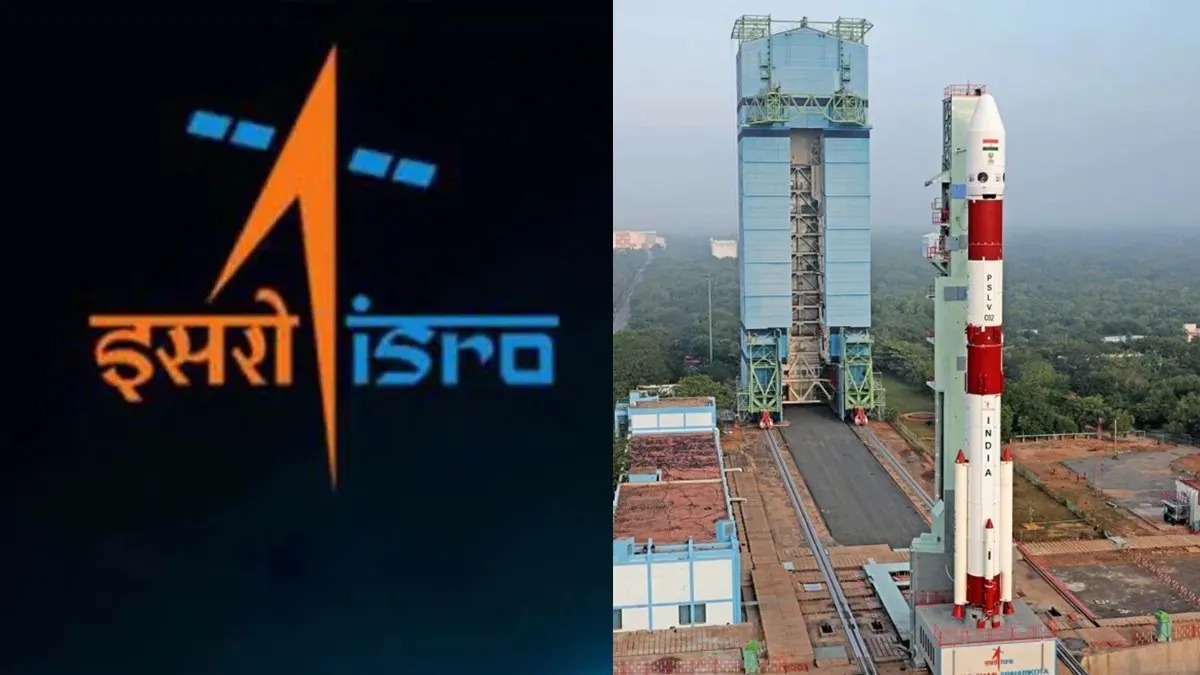
ISRO’s mission Anvesha failed: Technical glitch occurred in the last phase of the third phase.

ISRO, 12 January. Indian Space Research Organization (ISRO) has taken another big leap in the field of space today, Monday 12 January. ISRO sent the country’s satellite EOS-N1 Anvesha into space under the PSLV C-62 mission. With the help of this satellite, there was a possibility of revolution in border surveillance, identification of hidden targets and environmental monitoring. According to the information, ISRO’s first satellite launch of the year 2026 took place at around 10.17 am from Sri Harikota Space Port. However, this mission failed due to a technical glitch in the last phase of the third phase.
14 other payloads will be launched into space
ISRO began its 2026 launch calendar on Monday with the ‘PSLV-C62’ mission. Under this mission, Earth observation satellite ‘EOS-N1’ and 14 other payloads were to be installed in space. The 14 other co-passenger satellites included in this mission of NewSpace India Limited (NSIL), the commercial arm of ISRO, belong to domestic and foreign customers. They were launched at 10.17 am from the first launch pad of Satish Dhawan Space Center in Sriharikota.
Features of EOS-N1
The main payload is DRDO’s EOS-N1 (Anwesha) hyperspectral Earth Observation Satellite, which will revolutionize border surveillance, hidden target identification and environmental monitoring. This was a significant comeback for PSLV after the 2025 failure. Apart from EOS-N1, ISRO was also going to launch 14 other payloads into space today.
All parameters suitable for launch
The automatic sequence of the first PSLV C62/EOS N1 launch has been released. This means that all parameters are suitable for launch. After this a final test was conducted. Then lift off was done at 10:18 minutes and 30 seconds. However, this mission failed due to technical glitch in the last phase of the third phase.

Comments are closed.