
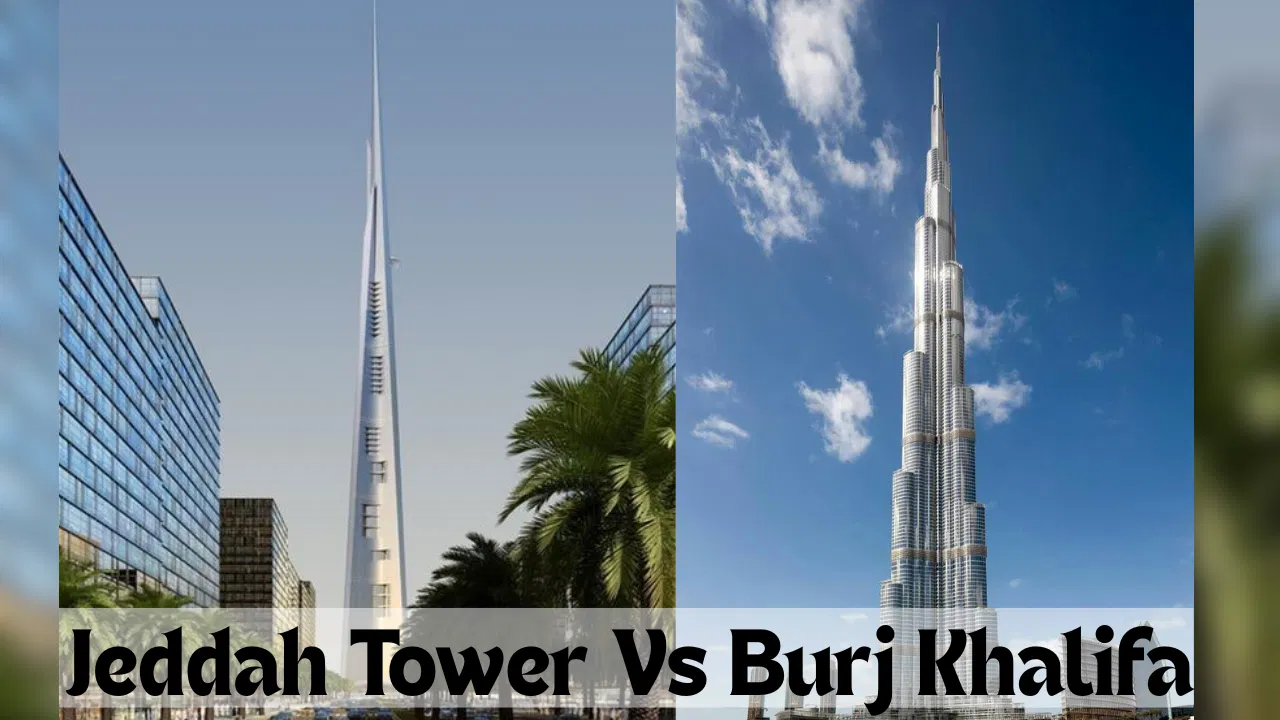
Saudi Arabia’s Jeddah Tower inches closer to breaking Burj Khalifa’s record as world’s tallest skyscraper

New Delhi: The world of skyscrapers is on the brink of a seismic shift as Jeddah Tower climbs skywards on the Red Sea coast of Saudi Arabia. This remarkable megastructure is being designed to become the tallest building on the planet, surpassing Dubai’s iconic Burj Khalifa and redefining vertical construction forever. Beyond its record-breaking height, Jeddah Tower symbolises transformative ambition, cutting-edge engineering and the Kingdom’s bold plan to shape the future of global architecture.
From visionary engineering to luxury living spaces, this skyscraper blends futuristic design with practical use, positioning itself as a vertical city rather than just another tall building. With progress rapidly accelerating and an expected completion in the late 2028, the tower is poised to leave its mark on global skylines and attract worldwide attention.
Engineering Marvels That Defy Limits
This isn’t just about height — the engineering behind Jeddah Tower pushes boundaries. Designed by Adrian Smith + Gordon Gill Architecture (the same architects behind Burj Khalifa), the project uses a reinforced concrete and steel structural system with 59 high-speed elevators to efficiently move people through its soaring height. Advanced climate systems and energy-efficient facades ensure sustainability in the harsh desert environment.
Jeddah Tower — initially known as Kingdom Tower — is a vast mixed-use skyscraper project rising in Jeddah Economic City. It is planned to exceed 1,000 metres, making it the first building to cross the one-kilometre mark.
Key Features of Jeddah Tower
Location: Red Sea coast, Jeddah, Saudi Arabia
Planned height: Over 1,000 metres (3,280+ feet)
Floors: Around 160+ storeys
Status: Construction resumed and progressing rapidly
Expected completion: By 2028 (late 2020s)
Why Jedah Tower matters in the architectural world
This isn’t just a height contest — it is a national landmark of innovation and ambition. Saudi Arabia’s Vision 2030 plan looks to diversify the economy and elevate its global presence. Jeddah Tower serves as a flagship of that mission, fusing luxury, commerce and advanced construction technology.
What will be inside the Jeddah Tower?
Jeddah Tower is envisioned as a self-contained vertical city where people can live, work and enjoy panoramic views.
Planned features:
Luxury hotels
High-end residential apartments
Premium office spaces
Retail & hospitality zones
World’s highest observation deck for breathtaking views
Engineering and innovation behind the project
Achieving unprecedented heights requires cutting-edge design and technologies. Led by Adrian Smith + Gordon Gill Architecture, the same firm behind Burj Khalifa, the tower incorporates features to withstand wind loads, support extreme vertical weight and ensure comfort at high altitudes.
Engineering highlights
Tapered aerodynamic design to reduce wind impact
Reinforced concrete and steel core
Dozens of high-speed elevators
Advanced climate and energy systems
Jeddah Tower: Construction progress and timeline
Construction of Jeddah Tower began years ago but faced pauses before restarting in early 2025. Since then, the structure has climbed rapidly, recording over 80 floors and counting as of late 2025.
Resumption of work: January 2025
More than 80 floors completed by late 2025
Expected to reach 100+ floors by early 2026
Targeted completion: 2028
Beating Burj Khalifa — Record and symbolism
Since its completion in 2010, the Burj Khalifa (828 metres) has been the world’s tallest building. Jeddah Tower is set to eclipse that record by nearly 180 metres, reshaping the global skyline competition.
Jeddah Tower is more than just a tall building — it’s a symbol of engineering prowess, visionary planning and Saudi Arabia’s architectural ambition, set to capture the world’s imagination.

Comments are closed.