
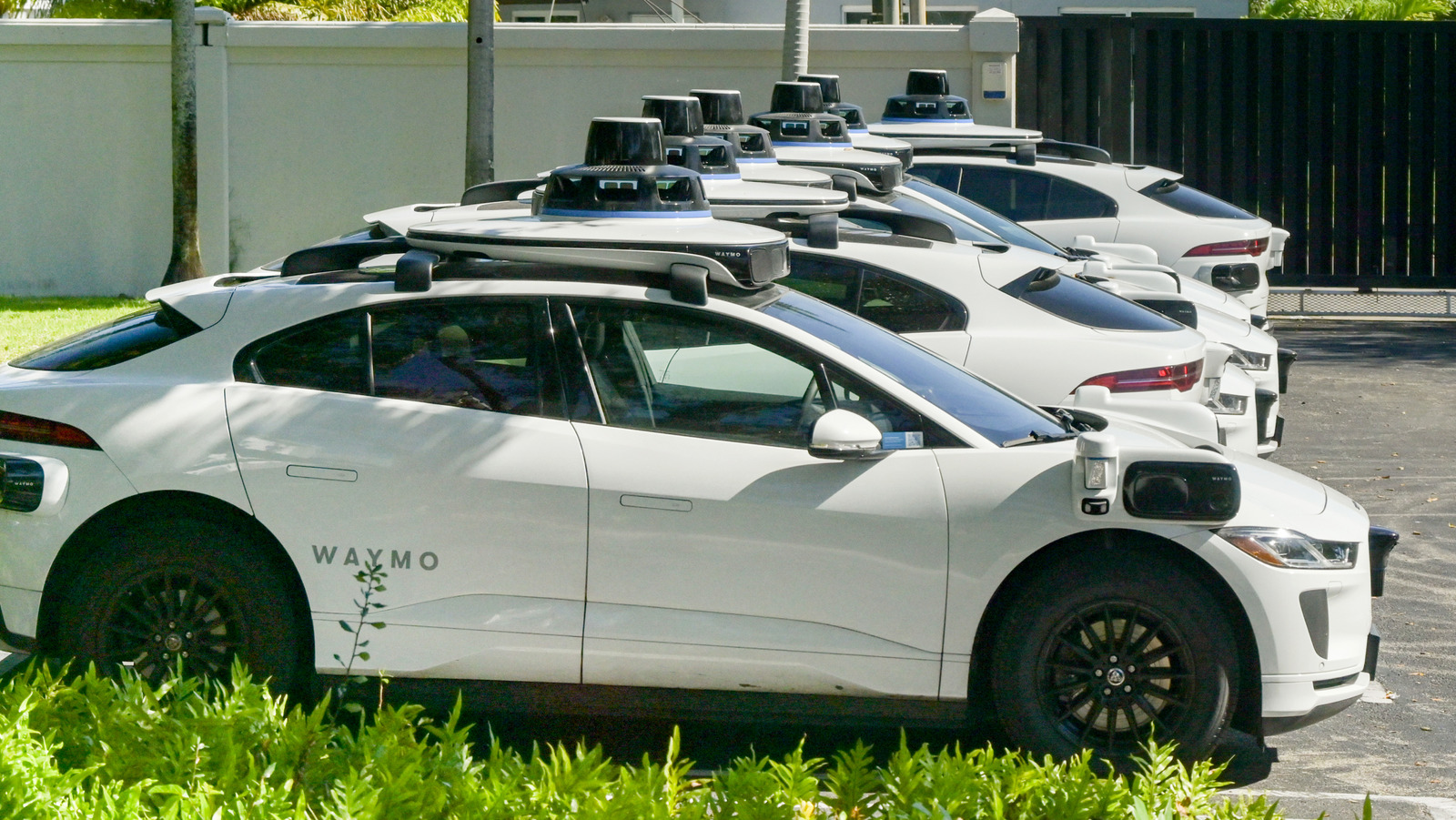

Waymo is rapidly expanding the footprint of its self-driving taxis as competition is heating up from Tesla and overseas players in China. But the company’s robotaxis, despite lofty claims about superior safety records, keep running into situations where they cause utter chaos or become a traffic nuisance. The latest Waymo nuisance was actually pretty scary and forced the passenger to hurriedly exit the car. In Phoenix, Arizona, a Waymo car was captured driving on a light rail track. Thankfully, there was no record of rail traffic being disrupted, and by the time law enforcement officials arrived at the scene, the car had already left the spot.
@luisito6987 @Waymo what happened here? passenger said im out🤣 #waymo #fyp #fail #tiktokfail #funny
♬ original sound – Luis
The ordeal, however, must have been pretty harrowing. When the car started moving on the rail track, the passenger jumped out. The incident happened near Central and Southern avenues in Phoenix, and as per 12Newsa light rail car was not far behind the robotaxi when the incident was caught on camera. And after the passenger had hurriedly left the Waymo car, the car continued to drive down the tracks near another train, according to KPO. So far, Waymo hasn’t shared any official details behind the incident or explained why its robotaxi went haywire.
When CBS News reached out to the company seeking a statement, Waymo didn’t share any further information. However, the company did say that safety is its top priority. Valley Metro, which operates the rail service, told a local news outlet that the Waymo misadventure didn’t result in any significant delays and that the whole situation was resolved in under 15 minutes. “To minimize service impacts, northbound and southbound trains exchanged passengers before reversing direction to continue service,” a company spokesperson was quoted as saying. Notably, Waymo is an official partner of Valley Metro.
A familiar failure
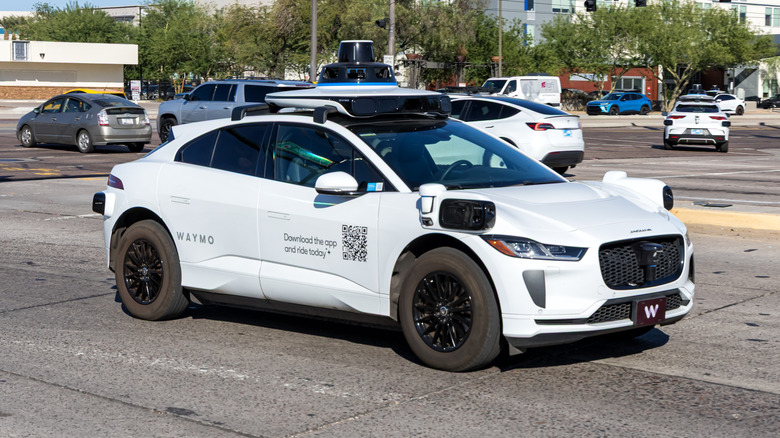
The Phoenix rail track incident is not the first hiccup of its kind for Waymo. Unexplained stalling, traffic disruptions due to service outages, and reckless driving have troubled Waymo, including incidents that resulted in the death of animals. These events have courted plenty of heat for the self-driving cars lately. In January, Lyft and Uber drivers protested in San Francisco, demanding tighter safety regulations for self-driving taxis, such as those operated by Waymo. So, what caused the latest light rail fiasco? Well, in the absence of an official explanation, it’s hard to pinpoint the issue at hand.
It appears that ongoing construction in the nearby areas is to blame, notes Andrew Maynard, a professor at Arizona State University. “In the area where the incident happened, there was construction and the light rail was added to this spot within the last year,” as per KPO. In some ways, self-driving cars act like AI chatbots. They can only handle situations they have been trained for. If the topic or experience is not fed into their training dataset, they run into issues. With self-driving cars (and robots), any environmental situation that is new to them could break their functionality. In this case, Waymo’s systems apparently had records of older mapped data, which didn’t account for the changes caused by the construction nearby.
For autonomous vehicles, such situations are referred to as long-tail edge cases. Simply put, you can train a self-driving car for a wide range of real-world situations, but there will always be some unexpected scenarios that it has not been trained for. These unpredictable situations can even affect less intelligent features. For example, Tesla says the Lane Assist system can malfunction if the lane markings are faded or changed due to road construction. Nvidia is trying to fix such situations by creating self-driving cars that reason like a human.

Comments are closed.