
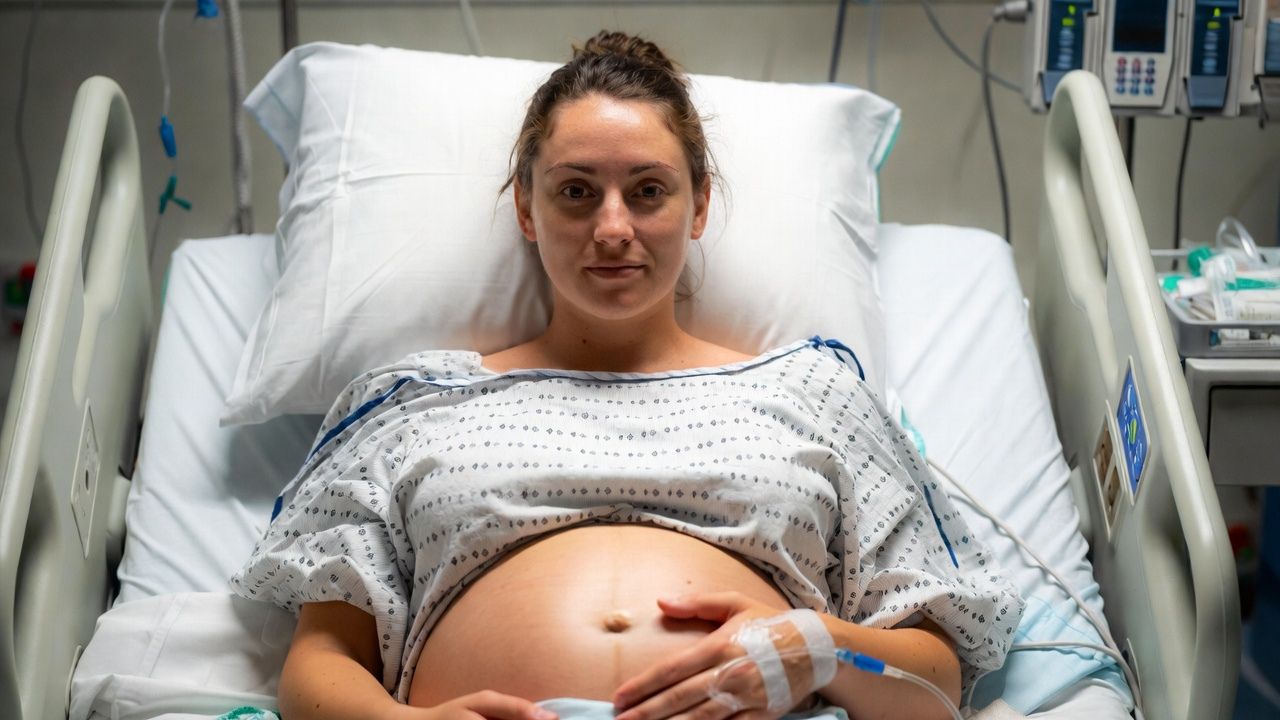
Why are C-section deliveries increasing in India? More mothers are giving birth to children in private hospitals than in government hospitals.

There is a strange difference in the way children are born in India, especially in the case of cesarean delivery (C-section). Recently, a large national study has revealed that the number of C-sections is slightly decreasing in government hospitals, while it is continuously increasing in private hospitals. This study is based on data from the National Family Health Survey (NFHS) from 2016 to 2021 and has been published in the PLOS Global Public Health Journal.
If seen at the national level, the number of C-section deliveries in government hospitals was 15.5% in 2016, which has come down to 14.3% in 2021, that is, there has been a slight decrease. In private hospitals, this rate was 45.4% in 2016, which increased to 47.5% in 2021, meaning almost half of the deliveries are now taking place through surgery. This difference is very clearly visible. At government places, doctors perform C-sections only as per the need, hence the rates remain low or constant. But this is happening more in private hospitals due to many reasons, such as convenience of the patients, desire to have a child at an auspicious time, demand for less stressful delivery, or sometimes even economic reasons.
Too many C-sections in some places
The situation in some districts is very worrying. More than 9 out of 10 (more than 90%) babies are being born through C-section in private hospitals in Murshidabad and Nadia districts of West Bengal. This is the highest rate so far in India. In Karimnagar district of Telangana, more than 91% of deliveries in private hospitals are by cesarean. In many states of South India like Telangana, Tamil Nadu and Kerala, almost all the districts have high rates. At the same time, in states like Bihar, Jharkhand, Uttar Pradesh, there are very few C-sections in government hospitals. This rate has been the lowest even in private hospitals in Rajasthan.
Biggest difference at state level
The study shows that the biggest variation in C-section rates is between states, not at the district or village level, meaning where a woman lives (in which state) has the biggest impact on deciding whether she will have a normal or cesarean delivery. This difference has increased with time. The state-level gap in private hospitals increased from 69% in 2016 to 78% in 2021. While it has also increased slightly in government hospitals, the rate of C-section has been highest in both types of hospitals in Telangana and Jammu and Kashmir. By 2021, it had reached above 80% in private hospitals in Telangana.
Why is all this happening?
-According to the study, there are several reasons for the increase in private hospitals:
-Women want less pain and planned delivery
-Desire to have a child at an auspicious time
-Confidence of better facilities in private hospitals
– Due to increase in insurance coverage through schemes like Ayushman Bharat, more surgeries are being done.
-Sometimes there is a tendency on the part of doctors to perform more surgeries than necessary.
What are the dangers?
-Excessive C-section can cause many problems:
-Mother faces infection, excessive bleeding, long recovery time after surgery
-Increased risk in future pregnancies
-Effect on child’s health, such as weakening of immunity
-Increasing financial burden on the family, because it is very expensive in private
What should be done?
Experts say that strict monitoring and rules should be made on private hospitals. Same standards (protocols) should be applicable everywhere. Doctors and facilities should be increased in government hospitals. C-section should be done only when there is true medical need. This study shows that there is a lot of inequality in health services in India. Southern states are ahead, but there too more surgeries are being done in private. If steps are taken in time, the safety of both mother and child can be improved.

Comments are closed.