
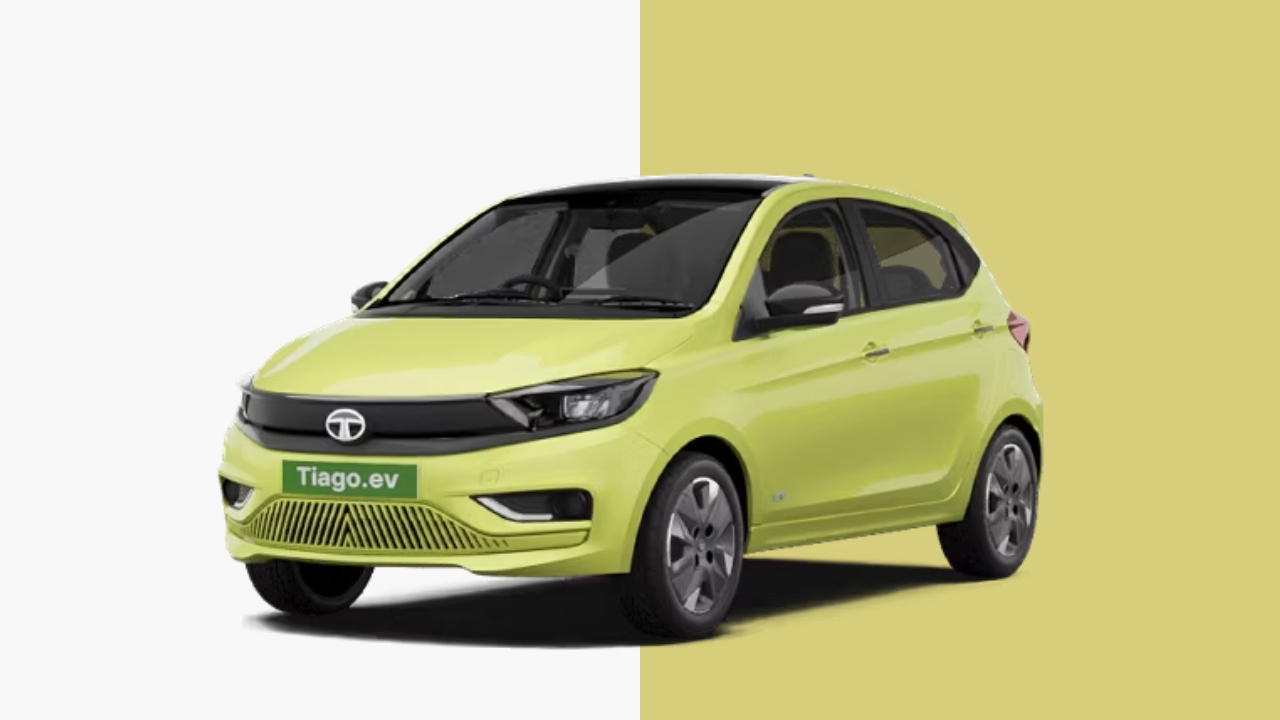
Electric revolution will remain incomplete if EV is not cheaper than Rs 10 lakh! Tata CEO said a big thing to the government

Affordable Electric Car: The demand for electric vehicles is increasing continuously. Because it has many amazing features and is also good for the environment, if electric vehicles are to be made available to the common people in India, then first of all their price will have to be made affordable. This is the clear message given by the Managing Director of Tata Motors Passenger Vehicles and CEO Shailesh Chandra Ne. He says that strong support from the government is necessary to make electric vehicles mainstream, especially for those electric cars whose price is less than Rs 10 lakh.
According to him, more than half of the car buying customers in India want to buy a car in a budget of less than Rs 10 lakh. In such a situation, if affordable electric cars are not promoted, then the EV revolution will be limited to only selected people. Tata Motors has already Tiago EV And Tigor EV Affordable electric cars have been launched, but bringing the price down further still remains a big challenge.
400 km range and expensive battery is becoming a hindrance
Shailesh Chandra said that the battery has the biggest share in the price of any electric car. In many cases, the cost of the battery itself reaches 60 to 70 percent of the total price of the vehicle. At the same time, customers also expect the EV to last at least 400 kilometers on a single charge. Due to both these reasons, it is not easy for companies to make cheap electric cars. On top of that, recent GST related changes have also made it more difficult to bring entry-level EVs at the same price level as petrol-diesel cars.
Emphasis again on PM e-Drive scheme
The CEO of Tata Passenger Vehicles has appealed to the Central Government to again start incentives on eco-friendly vehicles for the fleet segment. He says that even though the fleet segment is only 7 to 8 percent of total passenger vehicle sales, it contributes about 35 percent to the total passenger kilometers traveled in the country. Before the PM e-Drive scheme, fleet EVs used to get a subsidy of up to Rs 10,000 per kWh, with a maximum limit of Rs 1.5 lakh. The removal of these incentives has had a direct impact on the affordability of EVs.
Also read: Retro look, new features and powerful engine: 2026 model launch of Royal Enfield Goan Classic 350
Tata Punch becomes the backbone of growth
The Indian passenger vehicle market showed a mixed performance in 2025. There was pressure in the initial months of the year, but after September the demand increased due to the GST cut. During this period, Tata Motors performed strongly and became the country’s second largest car company in the December quarter.
Tata Punch micro-SUV has played an important role in this growth. Priced between Rs 5.59 lakh to Rs 9.29 lakh, Punch is now among the company’s best-selling vehicles. More than 2 lakh units were sold in 2024, while around 1.7 lakh units were sold in 2025. The electric version of the Punch is also becoming increasingly popular, which shows that Indian customers are ready to embrace EVs wholeheartedly if given the right price and government support.

Comments are closed.