
Luxury car makers step up India play, Mercedes Benz plans 12 new launches in 2026- The Week

Mercedes-Benz, the largest player in India’s luxury car market, will launch 12 new products in the country in 2026 and add more cars to its Made in India lineup, according to a top company official.
Mercedes-Benz India says 2025 was its best year in terms of revenue, although volumes saw a small dip. The company sold 19,007 units in 2025. In comparison it had sold 19,565 units in 2024, which had been its best ever year.
Rival BMW had sold 18,001 units in 2025, up 14 per cent from a year ago. BMW has also stepped up its play here, it launched 20 new products in India last year across BMW, Mini and BMW Motorrad brands. The company, which has 97 touchpoints in 40 cities will add another 19 outlets in 18 cities in 2026.
Mercedes, which already has over 145 touchpoints across 60 cities, will add another 20 this year.
Santosh Iyer, the MD and CEO of Mercedes-Benz India attributed the slight fall in sales last year to the de-growth it saw in the entry-level segment as it consciously decided to stay away from heightened price war in that segment.
“We had a growth of 11 per cent in the top segment, we had an absolute growth in revenue terms as well. But, we had a 23 per cent de-growth in the entry segment. It is very clear that we have decided we will not participate in a price war and we will focus on the value or price equation,” Iyer said.
The depreciation in the rupee against the euro is also a challenge as that has forced luxury car makers to consistently raise prices, which also weighs on buyer sentiments.
The company raised prices by 2 per cent this month, in addition to around 5 per cent price hikes in 2025 and prices may have to be increased further if the rupee continues to fall.
“Last one year, there was 19 per cent depreciation. We took a 5 per cent increase and there was a 6 per cent drop in GST, so there was a 1 per cent benefit to the customer technically. Now that is also eroded with the 2 per cent price increase starting 1st of January and we will have to cover another 10 per cent if you see,” said Iyer.
That may not be required should the rupee appreciate or things change post the possible signing of the free trade agreement between India and the European Union.
How is the growth looking this year?
“I said 2025 will be flattish or single-digit growth. I have the same prognosis for 2026. Every quarter, when you go to the showroom to buy, if you see the price going up, you tend to be cautious there. And that’s the reason our prognosis,” opined Iyer.
Mercedes on Wednesday introduced the GLS Celebration Edition priced at Rs 4.10 crore ex-showroom. It also introduced the the EQS SUV celebration edition, priced at Rs 1.34 crore for the 5-seater and Rs 1.48 crore for the 7-seater.
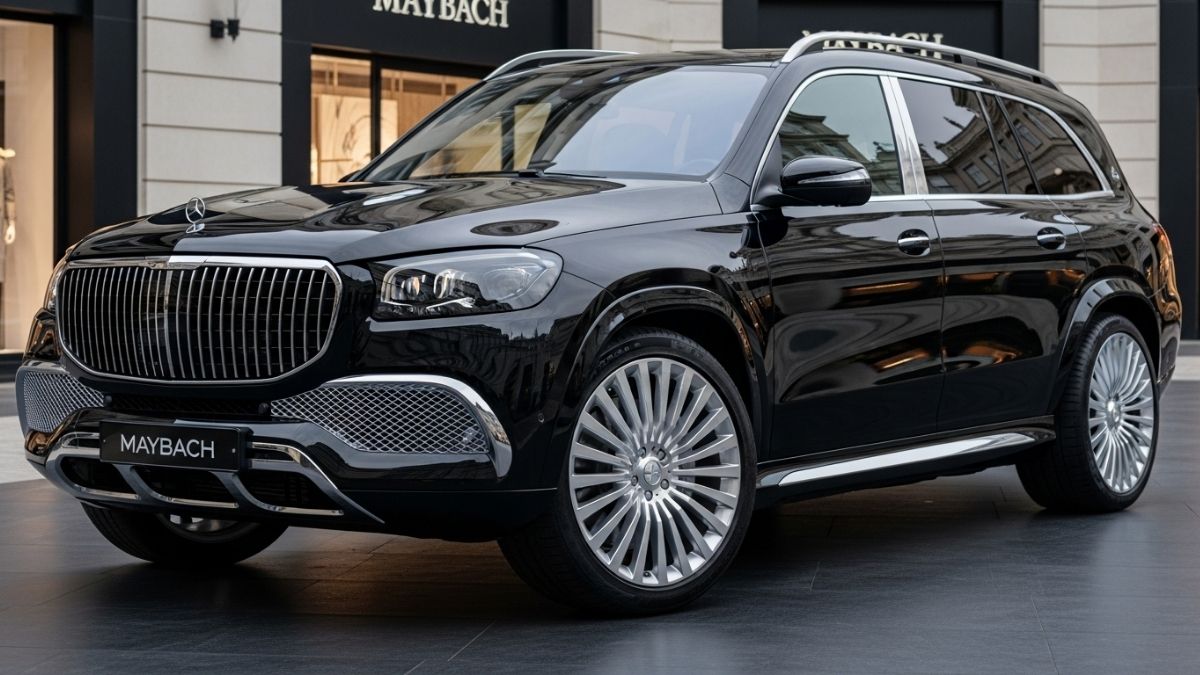
The company will also begin local production of the Mercedes-Maybach GLS, making India the first market outside of the United States where this luxury SUV will now be made.
It will be the 12th Made in India product for Mercedes.
India has been a key market for Mercedes-Benz and its now among the top five in the world for the Maybach brand.
Notably, Mercedes is seeing a strong growth in the top-end luxury segment, which now accounts for 25 per cent for the company. The entry-level is now just 13 per cent for Mercedes. In contrast, the top-end accounts for 22 per cent for the luxury car industry, while entry-level is 25 per cent.
Also, interestingly, demand for diesel cars has increased in the last few months, following the GST rationalisation.
The GST was reduced on small cars from 28 per cent to 18 per cent. While luxury goods still face a 40 per cent GST, it is still lower than the earlier scenario where the GST was 28 per cent, but the additional cess took it to around 50 per cent.
Will there be more diesel launches this year?
“It’s always been looked at,” said Brendon Sissing, vice-president, sales and marketing.
“We do believe that given those early shoots of post-September, with the GST switchover, the realisation of the stronger demand has made us look at the whole portfolio, to say, how quick can you respond to these changes in behaviours,” he said.

Comments are closed.