

Highlights
- Smart pet wearables are evolving from simple GPS trackers into health and behaviour monitoring tools
- Smart collars and pet tags now offer real-time location tracking, activity analysis, and safety alerts
- Veterinary insight and data-driven pet care are becoming more accessible to owners
- Battery life, comfort, and accuracy remain critical challenges
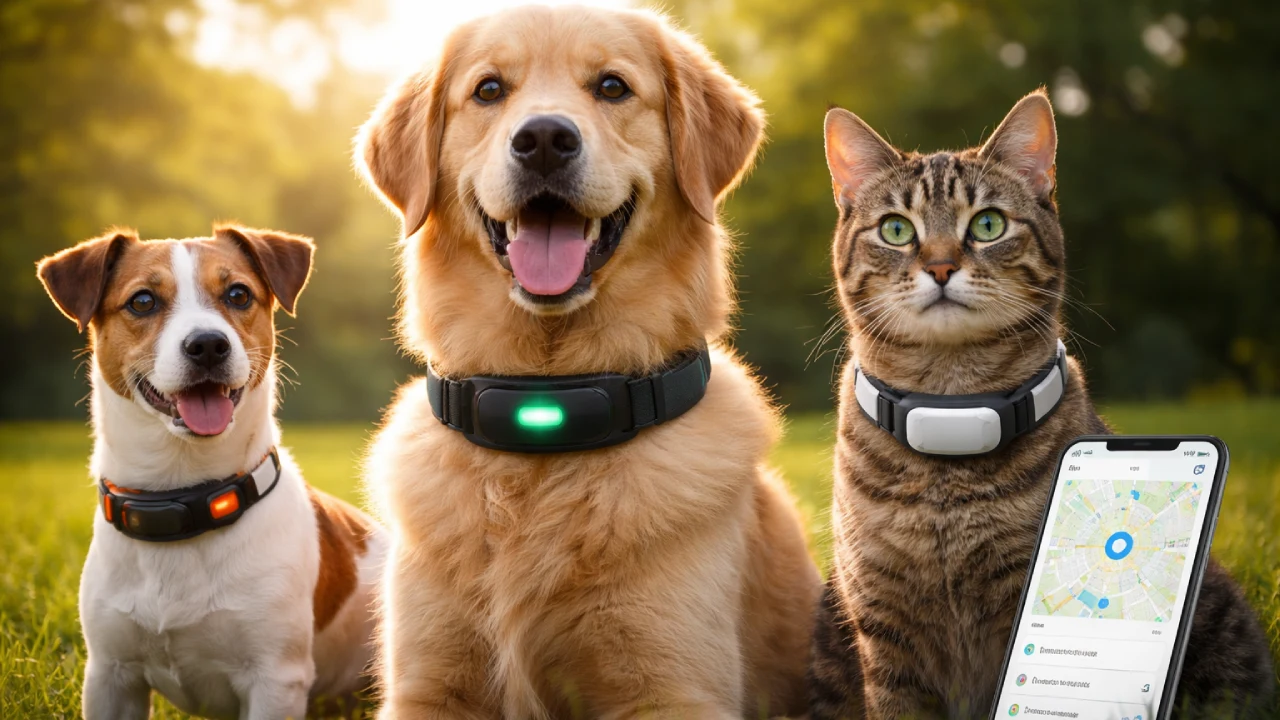
It has been a long time since smart wearables were just for people. By 2025, almost all pets will be connected through collars, tags, and trackers that are capable of monitoring their location, health, and daily activities. The initially limited market of afraid pet owners has switched to a major tech category, which is supported by the progress in the areas of robotics, connectivity, and mobile apps.
For many owners, pet wearables are a source of stress relief. A lost pet can be tracked, a health problem can be detected early, or an odd behavior can be pointed out before it becomes more serious. Nevertheless, the increasing use of animal wearables has also opened up discussions about their efficiency, comfort, and long-term value.
GPS Tracking: The Core Use Case
The main reason for investing in smart wearables in the first place among pet owners is still tracking their pets’ location. With GPS-enabled collars, pet owners can see the animal’s location and movements right away, create safe areas, and get notifications if the borders are breached.
For dogs that are allowed to roam freely or that their owners take with them on outdoor activities, tracking by GPS is undoubtedly a game-changer. It cuts down on relying on posters and good fortune, and thus, instead of uncertainty, there is now actionable data. Nevertheless, the quality of GPS can differ a lot according to the type of location, the extent of the network coverage, and the quality of the device used. Cities and thick trees in the area can create problems with the signals, reminding users that these systems are only aids and not guarantees.
Health Monitoring Beyond Steps and Distance
Modern smart pet collars are not limited to merely tracking the movements of the animal. Some sensors can monitor not only activity levels but also sleep patterns and even behavioral changes, which, at times, can indicate health problems. If the long-term trends are analyzed, the devices can give signals to the owners that the pet’s behavior is not the same, which can prompt the owner to take the pet to the vet sooner.
For older pets or pets with lifelong illnesses, this data-driven knowledge can prove to be especially helpful. Nevertheless, these pet wearables do not displace a doctor’s diagnosis. They are only indicators, not solutions, a difference that responsible manufacturers are increasingly stressing in this day and age.
Safety Features That Go Beyond Location
Safety-oriented characteristics are attracting more and more people to the use of pet wearables. A few of the gadgets come with temperature alerts that can tell the owners if their pet is getting too hot or too cold. Additionally, the devices that come with LED lights or sound signals increase the pet’s visibility at night. In case of an emergency, these features can save valuable seconds.
For urban pet owners who have to deal with traffic, these safety measures simplify their daily lives and offer protection instead of merely addressing rare incidents.

Comfort and Design: The Hidden Challenge
Pets are not like humans, who can decide whether to wear technology or not. Therefore, comfort, weight, and fit are the major factors. If a device is too large or not well-balanced, the pet may feel uncomfortable or reject the device altogether.
Designers are slowly enhancing the design by using lighter materials and adjustable fittings. Smaller pets and cats still struggle because of size and battery limits, which means the manufacturers are not paying enough attention to their needs. A vehicle that is not comfortable can never be used to its full potential.
Battery Life and Practical Use
Among pet wearables, one of the most common difficulties is battery life. Constantly powered devices using GPS pet tracking are big eaters of power, thus requiring constant charging.
For busy people, this may mean less reliability. A non-charged tracker, when needed, can give little support. Some devices deal with the situation by introducing battery-saver modes or longer-lasting batteries, but in each case, some compromises are unavoidable. User-friendliness, charging frequency, and servicing are the main contributors to long-term happiness.
The Subscription Question
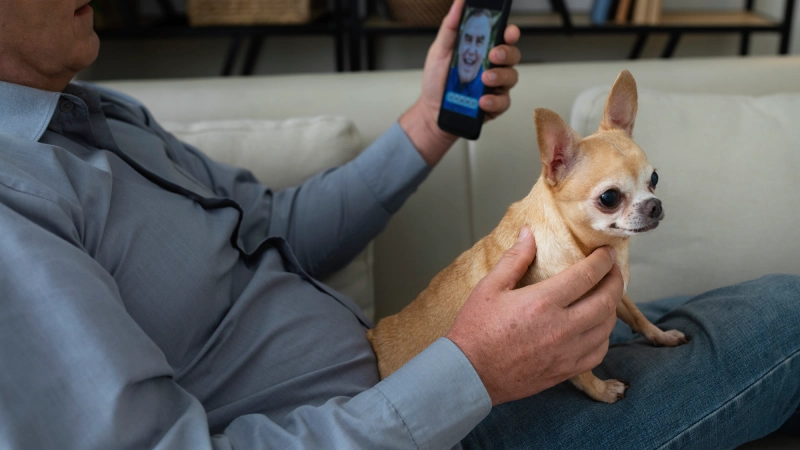
A good number of pet wearables are based on the subscription model, which is used to help pay for connectivity and cloud services. In spite of the fact that the upfront cost of devices has become lower, the cost of maintaining the subscription on an ongoing basis can be considerable over time.
This pricing strategy forces pet owners to assess the value very closely. For animals that rarely leave the controlled environments, the costs may be more than the benefits. On the other hand, for daring or high-risk pets, the subscription fees may seem justifiable. In the interaction between consumers and companies, transparency about pricing and product features is still one of the main consumers’ expectations.
Data, Privacy, and Ethical Considerations
Connected devices,ike any other, pose the very same question concerning data ownership and privacy regarding pet wearables. Third-party companies are collecting and storing, among other things, location data, behavioral patterns, and health metrics. Pets obviously do not have privacy concerns, but owners increasingly do. The market is becoming more and more competitive, and among the factors that differentiate one company from another are the very clear data policies and the responsible handling practices.
Who Should Consider a Pet Wearable?
Pet wearables could be best utilized by active dogs, outdoor kitties, and pets suffering from certain medical conditions. The devices will be of little use to indoor pets or those that cannot move much. It is very crucial to know a pet’s lifestyle before making such a purchase. The use of technology should be a helping hand instead of making it harder.
Conclusion: Useful Tools, Not Universal Solutions
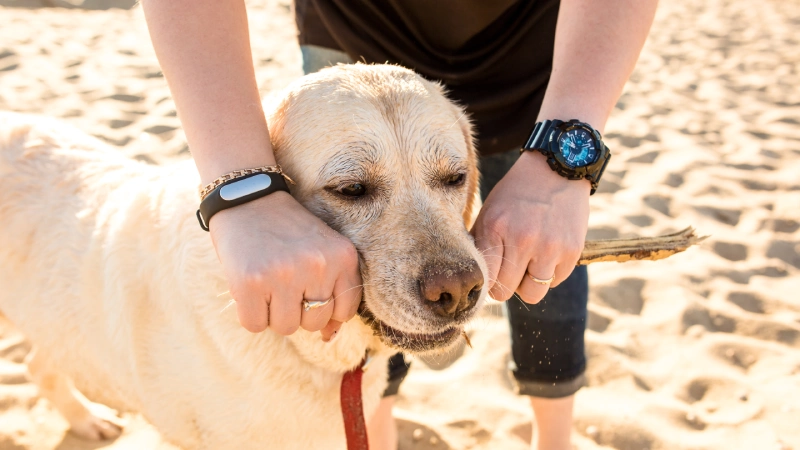
Pet smart wearables are a great leap forward in pet care. They provide real benefits in tracking, safety, and health awareness when they are used wisely. Yet, they are not universal. Their usability depends on the quality of designs, the commitment of the owners, and the expectations set. In 2025, pet wearables are still to be seen as a supportive tool: peasant companions in responsible ownership, not substitutes for attention, training, or veterinary care.

Comments are closed.