

Highlights
- Smart glasses evolved from Google Glass failures into affordable, AI-powered daily tools by 2025.
- Sub-$500 AR glasses now assist commuters, gig workers, students, and small businesses worldwide.
- Hands-free navigation, translation, shopping, and repairs drive mass middle-class adoption.
- Global shipments cross 10 million units, with strong momentum in India’s urban markets.
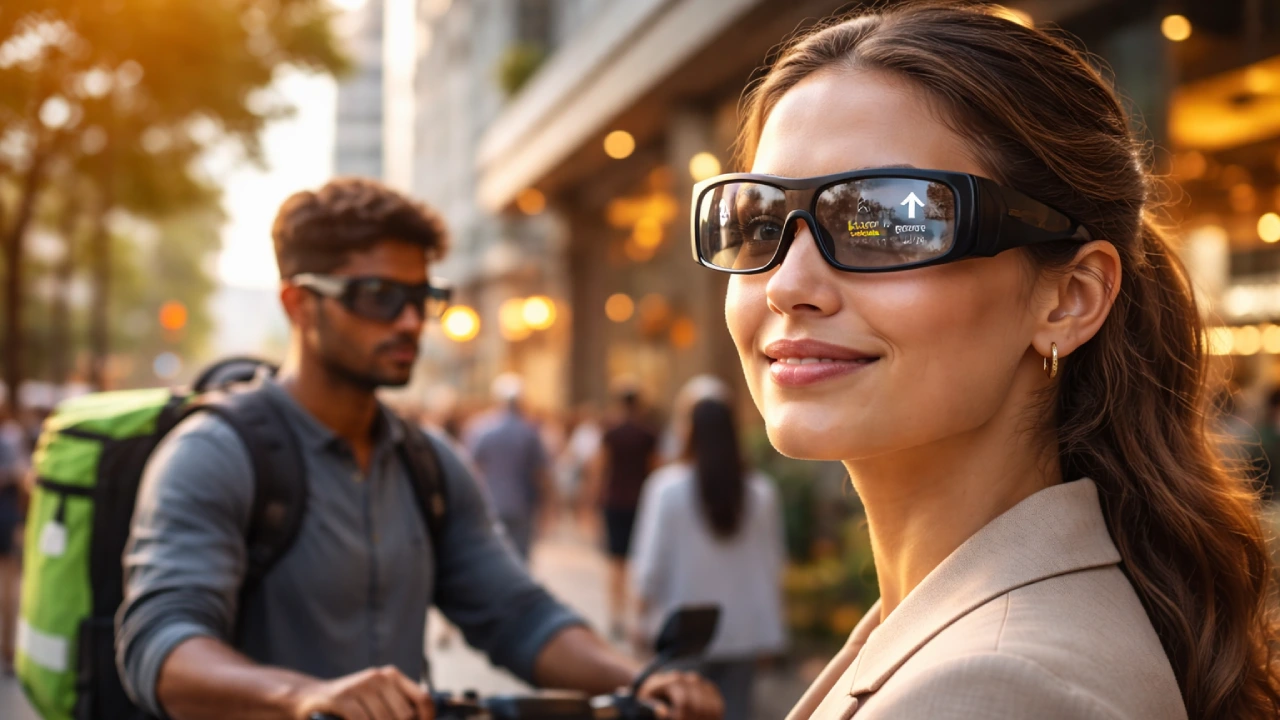
Picture this: You’re rushing through morning traffic, glasses whispering turn-by-turn directions right in your view—no fumbling for your phone. Or you’re a barista juggling orders, and your smart glasses flash customer prefs without breaking stride.
That’s not science fiction; it’s smart glasses in 2025.
These AR wonders have bombed before, but tech leaps make them practical now. For middle-class grinders like you—balancing side hustles, family, and commutes—they’re game-changers.
Globally, sales hit 10 million units this year. In India, urban millennials snap them up for traffic navigation and remote work.
But why did they fail before?
Why Google Glass Failed: Smart Glasses 2010s Flops & Lessons
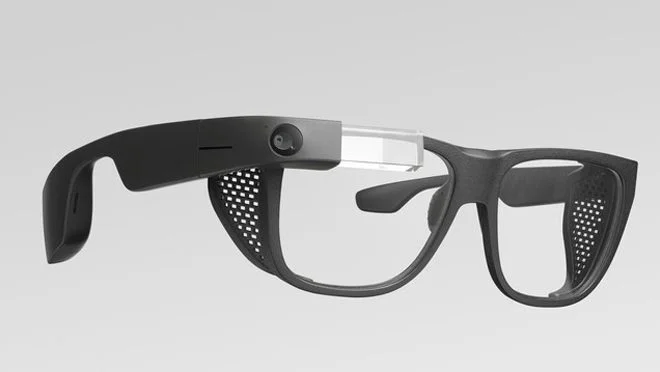
Early smart glasses dreamed big but delivered clunky nightmares. Google Glass launched in 2013 at $1,500—cool for devs, awkward for everyone else.
- Privacy Nightmares: That camera screamed “creep mode,” sparking “Glasshole” backlash. People felt watched at coffee shops.
- Battery and Bulk: Lasted 2 hours, weighed like a brick—useless for a full day.
- No Killer Apps: Fun demos, zero real use. Middle-class folks couldn’t justify the price for selfies.
Globally, sales tanked under 100K units. In India, barely trickled in—too pricey at ~$1,500 amid the rising smartphone boom.
Failures hit everyday people hard: Hype wasted cash, trust eroded. Why did giants like Intel and Vuzix fizzle, too?
What flipped the script by 2020?
Smart Glasses 2020s Tech Breakthroughs: What Changed Everything
Pandemic lockdowns sparked innovation. Lighter chips, better batteries, and AI brains turned flops into fits. Meta, Apple, and startups poured billions.
Key shifts:
- Miniaturization Magic: Weight dropped 70%—now under 50g, like regular specs.
- AI Smarts: Voice AI like GPT handles queries hands-free.
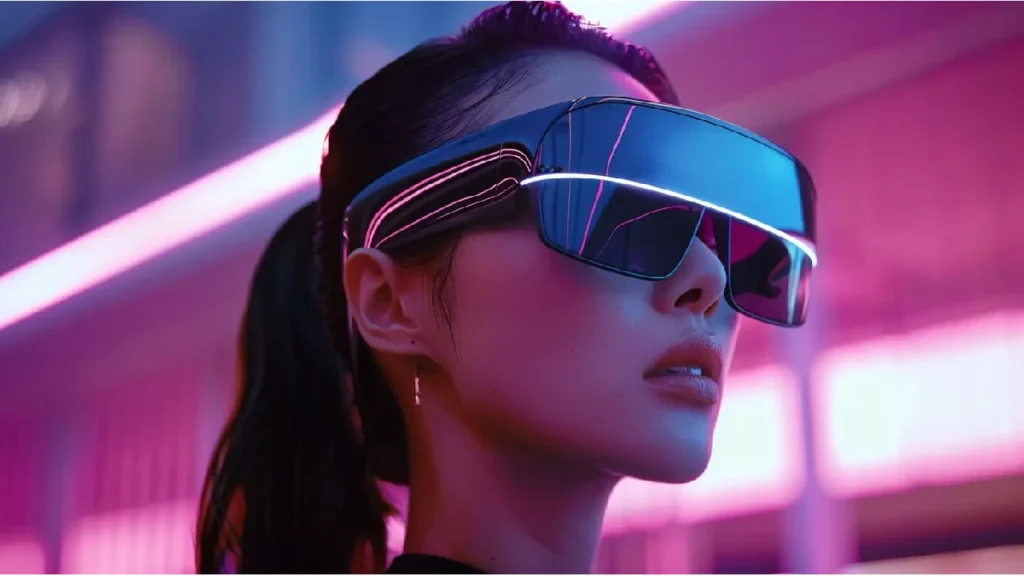
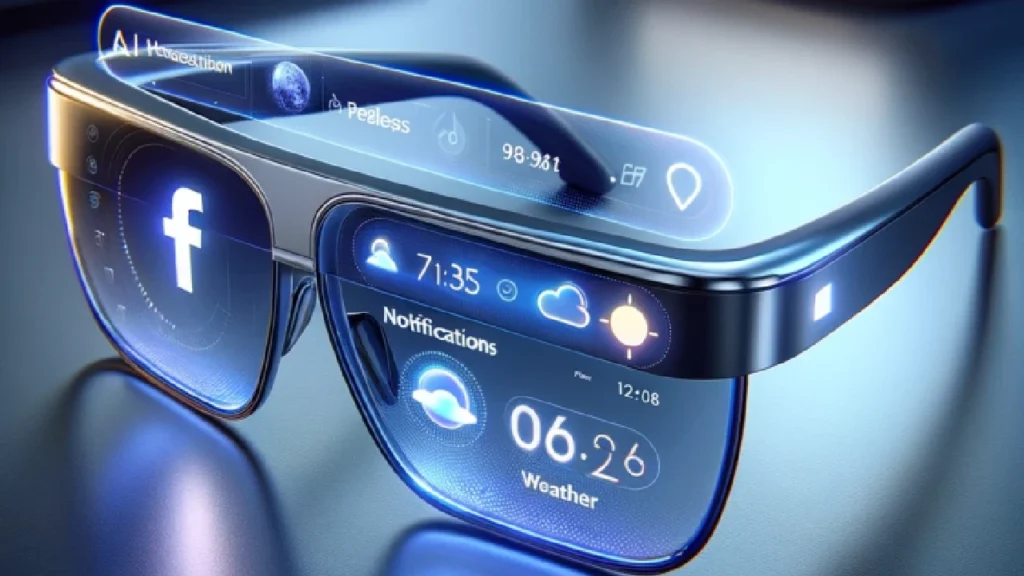
- AR Displays: Transparent screens overlay info without blocking views.
Globally, prototypes like Snap Spectacles (2021, $380) tested social AR. In India, early adopters in Bengaluru used them for virtual factory tours amid the COVID-19 work-from-home period.
A parent in Chicago fixes plumbing using AR guides without YouTube hunts. But are they truly breakout-ready?
Enter 2025—has the world embraced them yet?
Best Smart Glasses 2025: Ray-Ban Meta, Xreal Air 2 & Top Picks
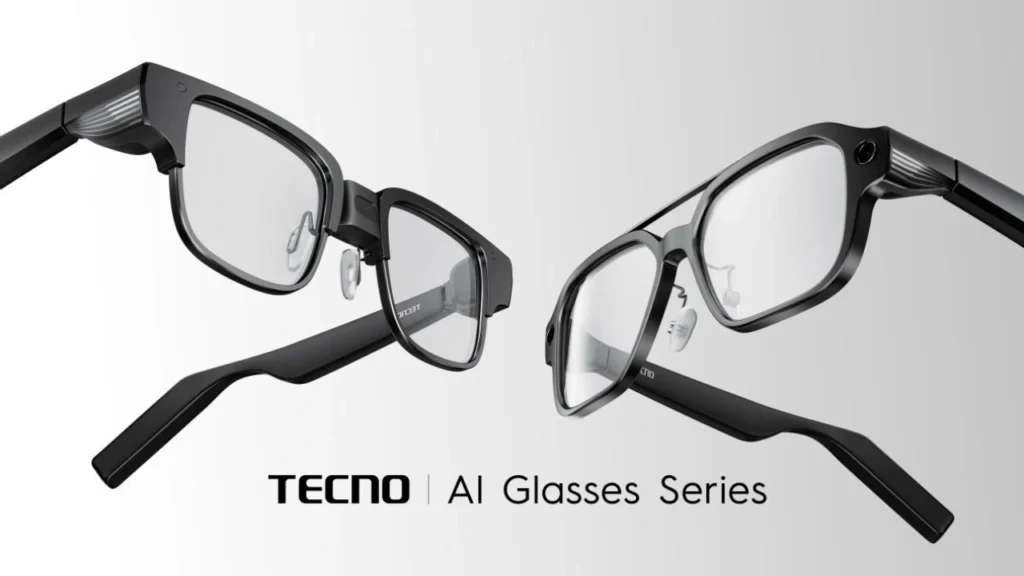
Yes! 2025 is the inflection point. Meta’s Ray-Ban smart glasses ($300) sold 1M+ units globally—cameras, speakers, AI live translation. No screens yet, but AR prototypes steal the show.
Standouts:
- Meta Orion (Prototype): Holographic AR at $1,000 (expected consumer version 2026). Projects 3D apps in the air.
- Xreal Air 2 ($400): Ultra-light AR for gaming/work—huge in Asia.
- Apple Vision Pro Lite (Rumored $1,500): Seamless iOS integration by late 2025.
For marketers, demo products via AR shares—boost engagement 3x. Example: A small biz owner in Texas uses Ray-Bans to translate menus for tourists, upping tips 20%.
Globally, middle-class adoption soars—projected 25% market growth. In India, Flipkart lists Xreal at $400; Mumbai commuters overlay metro maps, slashing travel stress. Delivery riders like Zomato pros get real-time route tweaks, saving fuel.
How are everyday folks winning big?
Affordable AR Glasses 2025: Daily Life Wins for Users
Smart glasses hit where phones fumble: hands-free, eyes-up reality. Middle-class warriors—from gig economy hustlers to parents—feel the lift.
Global effects:
- Commute Saviors: Overlay traffic, weather—cuts stress. A London bus driver dodges jams and arrives fresher.
- Work Wins: Mechanics see repair guides; teachers project notes. Freelancers translate calls instantly.
- Health Hacks: AR fitness coaches guide workouts—no screen glare.
In India, it’s booming: the urban middle class (like Kolkata software devs) use it for hands-free coding reviews or Ola navigation. A Delhi homemaker scans recipes mid-cooking, freeing hands for kids. Prices under $400 make it accessible—vs—$ 1,500 flops.
Business owners, stock Ray-Bans for team training—remote AR demos save travel costs. Example: A Philly cafe owner reads customer allergies to prevent mix-ups.
Privacy improved, too, with no constant recording. Battery? 8+ hours now. Game-changer for long shifts. Ready to market them?
Marketers, how do you cash in?
Smart Glasses Marketing 2025: SEO Strategies for Marketers & Businesses
Young marketers, this is your runway. Smart glasses = untapped audience: 2B middle-class globally craving efficiency.
Strategies:
- Content Hooks: TikTok AR try-ons—viral gold.
- Affiliate Plays: Promote $300 Ray-Bans via Amazon; commissions roll in.
- Niche Targeting: Ads for commuters (“Ditch phone distractions”) or parents (“Hands-free family time”).
Run Instagram Reels showing a middle-class mom using AR for homework help—engagement skyrockets. Globally, brands like Nike offer AR-fit shoes via glasses.
In India, target Tier-2 cities: “Beat Bangalore traffic with AR overlays“ ads convert high. Projected ROI is 4x for wearable campaigns.
Final Thoughts
From 2013 flops to 2025 lifelines, smart glasses evolved for us real people—daily commuters, hustling parents, gig pros. Globally affordable, India-ready, they’re weaving into daily wins like navigation, work, and fun.
2025 is absolutely their breakout.
What’s your take? Have you tried smart glasses yet? How would they fix your daily chaos?

Comments are closed.