
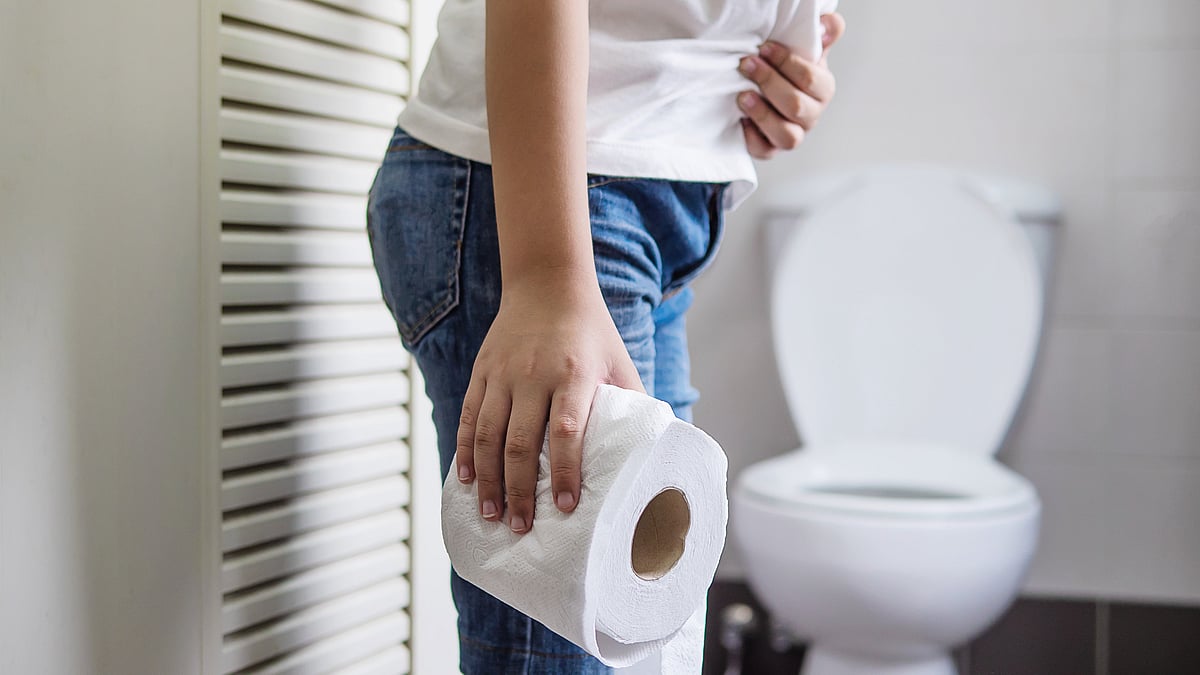

Even something as ordinary as toilet paper can influence urinary health, doctors warn, especially for women and those prone to infections.
Urinary tract infections (UTIs) are often blamed on hygiene lapses, dehydration, or low immunity. But doctors are now drawing attention to a surprisingly overlooked factor: the toilet paper used every day. According to urologists, the quality, texture, and chemical content of toilet paper can directly affect the delicate skin around the urethral opening and increase the chances of infection.
In clinical practice, doctors have observed that poor-quality or scented toilet paper can irritate sensitive urogenital areas. Many such products are made from recycled paper that may contain bleaching agents, fragrances, dyes, or residual chemicals. These substances can disturb the natural balance of the skin and mucosa, causing mild inflammation or irritation. Once irritation sets in, it becomes easier for bacteria such as E.coli to enter the urinary tract and trigger infection.
Texture is another important concern. Rough, thin, or easily shredding toilet paper can leave behind microscopic paper particles after wiping. These tiny residues may trap moisture and bacteria, creating a warm environment that supports bacterial growth. Over time, this can increase vulnerability to UTIs, particularly in people who are already prone to recurrent infections.
Doctors note that this risk is higher in individuals with sensitive skin, diabetes, weakened immunity, or hormonal changes such as those seen during menopause. In such cases, the body’s natural defense mechanisms are already compromised, and even minor irritation can act as a trigger for infection.
The way one wipes also matters. Excessive pressure or aggressive wiping can cause micro-abrasions on the skin. These tiny, often invisible cuts become entry points for bacteria. In addition, colored or heavily scented toilet papers may disturb the vaginal pH, further increasing susceptibility to infections.
Health experts stress that UTI prevention is not only about medication or antibiotics. It also involves mindful hygiene and informed product choices. Simple habits, when practiced consistently, can reduce repeated infections and improve overall urinary health.
Doctors recommend choosing soft, unscented, dye-free toilet paper made from virgin pulp or high-quality bamboo fiber. These options are gentler on the skin, leave minimal residue, and reduce exposure to harsh chemicals. Bamboo-based paper is also naturally antibacterial and more environmentally friendly.
Equally important is proper wiping technique. Always wiping from front to back helps prevent bacteria from the anal region from spreading to the urethra. Using gentle pressure instead of forceful rubbing protects the skin barrier. Avoiding excessive wiping is just as important as keeping the area clean.
Hydration also plays a crucial role. Drinking enough water helps flush bacteria from the urinary tract before they can multiply. Combined with better hygiene practices, this simple habit can significantly lower UTI risk.
Doctors advise people who suffer from frequent UTIs to review all daily hygiene products, including soaps, intimate washes, and toilet paper. Small changes can make a noticeable difference. Many patients focus only on medicines, but long-term prevention lies in reducing everyday triggers that quietly contribute to infections.
The larger message is awareness. Products used multiple times a day can influence health more than people realize. What feels like a harmless routine may actually be affecting the body in subtle ways. By choosing gentler materials and following safer hygiene practices, people can take a practical step toward protecting their urinary health.
UTI prevention, experts say, is not just a medical issue. It is a lifestyle practice built on knowledge, caution, and respect for the body’s natural defenses.
Disclaimer: This article is for general health awareness and does not replace professional medical advice. Always consult a qualified doctor for diagnosis or treatment of urinary tract infections.

Comments are closed.