
Winter Superfood: These benefits of eating green onions in winter will surprise you, learn the right way to eat them.

Spring Onion in Winter: Markets are filled with green vegetables during the winter season, but among them, green onions are a herb that both Ayurveda and modern science consider a superfood. Packed with antibacterial properties that fight infection, this vegetable is a panacea for keeping the lungs clean and providing internal warmth.
With the onset of winter, our body’s sensitivity increases, and cold winds often make us vulnerable to infections. Doctors often prescribe antibiotics, but did you know that the green onions in your kitchen have natural antibacterial and antiviral properties? This seemingly simple vegetable is an essential winter medicine.
Benefits for immunity and respiratory system
Green onions are rich in vitamin C, which boosts the body’s immune system by increasing the number of white blood cells. They are extremely helpful in reducing inflammation in the respiratory tract and clearing phlegm from the lungs. According to Ayurveda, their warm nature helps maintain the body’s internal temperature during winter, reducing the effects of cold outside air.
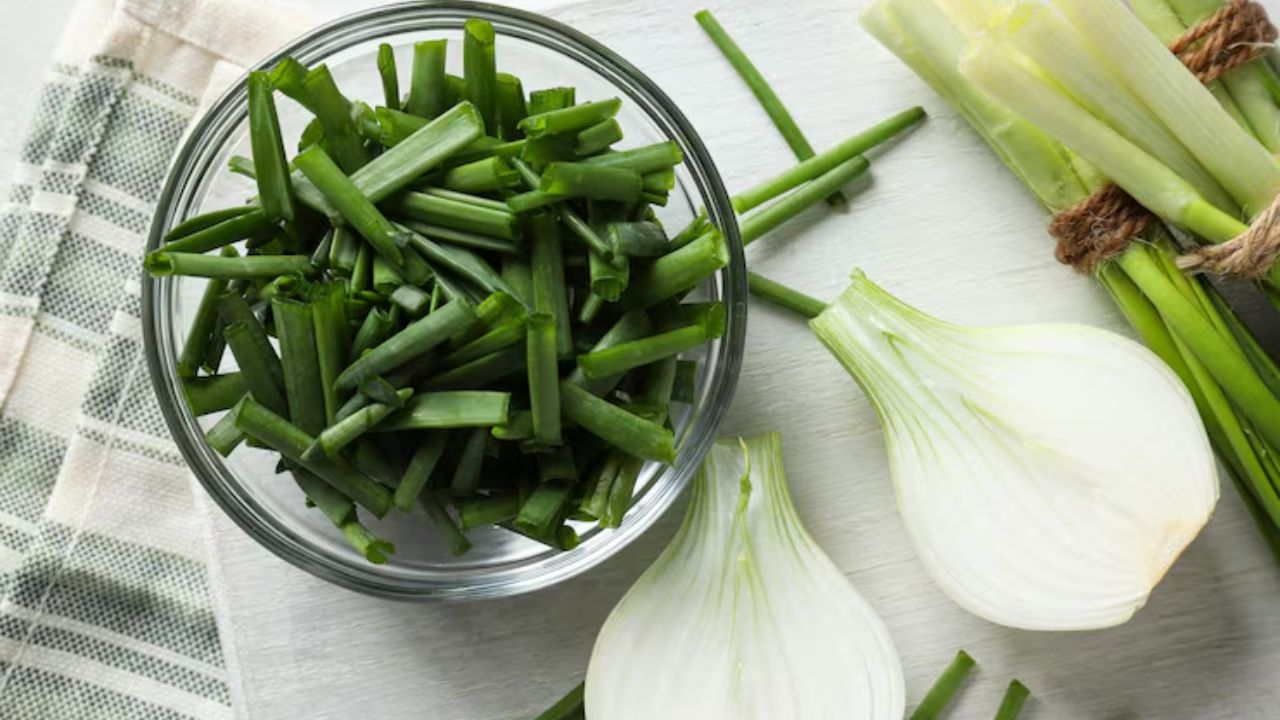
Green onions (courtesy: Freepik)
A treasure trove of vitamin K for bones and blood: Few people know that green onions are an excellent source of vitamin K. This vitamin maintains bone density and prevents them from weakening. Furthermore, vitamin K helps regulate blood clotting, which is essential for preventing excessive bleeding from an injury.
Heart health and cholesterol control
Green onions contain a powerful compound called allicin. This substance helps reduce bad cholesterol in the blood. Regular consumption helps keep arteries clear and significantly reduces the risk of heart disease. It also strengthens the digestive system.
The right way to consume
According to experts, to reap the full benefits of green onions, avoid overcooking them. You can use them raw as a vegetable in salads or as a garnish for soups and pastas. Every part of the onion, from its leaves to its stems, is packed with nutrients.

Comments are closed.