
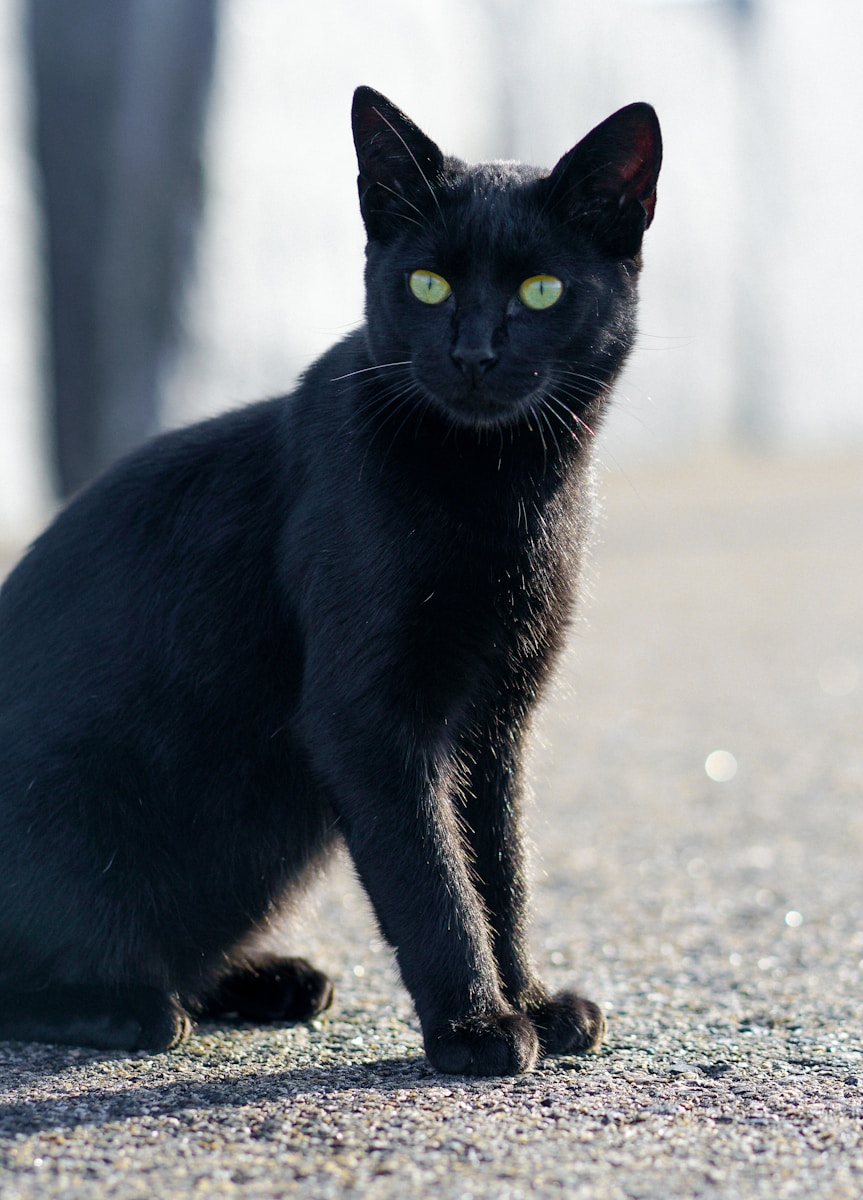

The natural world offers countless examples of animals that have evolved extraordinary senses to survive, and night vision is among the most impressive. While humans struggle in low-light conditions, many animals are perfectly adapted to darkness, using highly specialized eyes to hunt, move, and interact with their surroundings after sunset. These adaptations are the result of millions of years of evolution shaped by nocturnal lifestyles and environments where light is scarce.
At the core of superior night vision is the structure of the eye itself. Animals that excel in darkness typically have a high concentration of rod cells, which are far more sensitive to light than cone cells. Many also possess larger eyes relative to their body size, wider pupils, and reflective layers behind the retina that amplify incoming light. Together, these features allow them to detect motion and detail even in near-total darkness.
One of the most well-known night vision specialists is the owl. Owls have large, forward-facing eyes that provide excellent depth perception, which is critical for hunting. Their retinas are densely packed with rod cells, making them extremely sensitive to low light. Although their eyes cannot move within their sockets, owls compensate with highly flexible necks, allowing them to scan their surroundings efficiently in the dark.
Another remarkable nocturnal hunter is the black-footed catconsidered one of the deadliest predators in the animal kingdom relative to its size. Active almost exclusively at night, this small wild cat has eyes that are exceptionally efficient at gathering light. Its vision, combined with acute hearing and stealth, allows it to achieve an extraordinarily high hunting success rate in low-light desert environments.
The tarsiera small primate native to Southeast Asia, possesses some of the largest eyes relative to body size of any mammal. Each eye is roughly the size of its brain, enabling it to detect even minimal light. Unlike many nocturnal animals, tarsiers lack a reflective layer in their eyes, relying instead on sheer eye size and sensitivity to navigate and hunt insects in darkness.
Beyond land-based animals, the lanternfish represents a master of vision in one of the darkest environments on Earth. Living in the deep ocean where sunlight cannot reach, lanternfish have highly sensitive eyes adapted to detect faint bioluminescent signals. Their ability to see subtle light cues is essential for finding food, avoiding predators, and communicating in the vast darkness of the deep sea.
Together, these animals demonstrate how vision can evolve in extraordinary ways to meet environmental challenges. Their ability to see in the dark is not just a fascinating trait, but a vital survival tool that highlights the incredible adaptability and ingenuity of nature.

Comments are closed.