
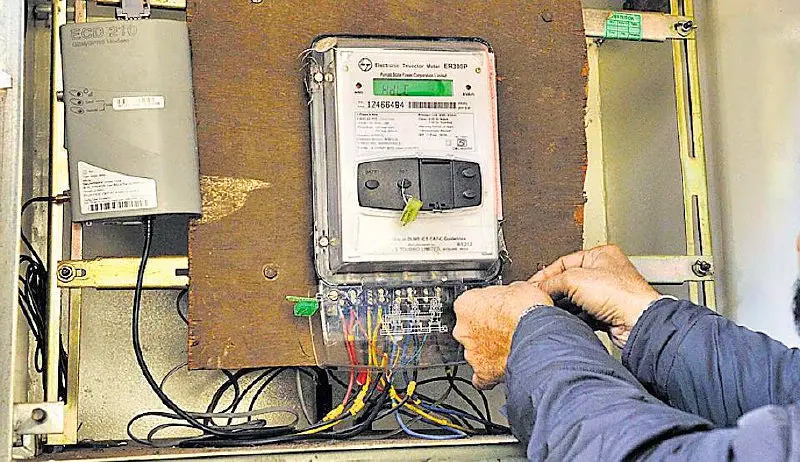

Union Energy Minister Manohar Lal has recently announced that the Electricity Amendment Bill will soon be introduced in the upcoming budget session of Parliament. The main objective of this bill is to reform the power sector of the country and make loss-making power distribution companies (DISCOMs) profitable. In fiscal year 2025, power distribution companies have collectively reported a profit of Rs 2,701 crore, a significant achievement after several years of losses. However, according to the ministry, around 50 discoms are still incurring losses. The government is also holding a consultation meeting with state representatives to discuss the proposed amendments.
Why is this bill being brought?
This bill is being brought mainly to address the structural challenges in the power sector and to strengthen the distribution companies financially. The government’s aim is that distribution companies do not face losses and they get payments on time. This amendment bill also aims to maintain the balance of the Union, promote collaborative governance, enhance healthy competition and improve the efficiency of the power sector. This Bill will strengthen the power distribution sector through financial discipline and address the challenges of the power sector.
What are the major changes in the proposed Electricity Amendment Bill?
Several important reforms are proposed in this bill:
- Competition in Distribution Sector: The Bill proposes distribution sub-licensing to bring competition in retail electricity supply. This means that multiple companies in the same area will be able to use a shared distribution network, which is expected to improve service quality and reduce distribution losses.
- Financial discipline and subsidy reforms: It aims to reduce the losses of state-owned distribution companies and reduce the subsidy burden on states. The Bill proposes a phased reduction in cross-subsidies, and subsidies will be delivered to consumers more transparently through direct benefit transfers (DBT). The target is to completely eliminate cross-subsidies paid by manufacturing enterprises, railways and metro railways within five years.
- Strengthening the regulatory framework: The Bill seeks to strengthen State Electricity Regulatory Commissions by giving them greater autonomy in tariff determination and will reduce the role of distribution companies in the process. Also, strict timelines and contractual discipline will be imposed for power purchase.
- Goals of Renewable Energy: This will expand the Renewable Purchase Obligations (RPO) to include non-fossil sources as well. A fine of 35 paise to 45 paise per unit is also proposed for non-compliance.
What objections have been raised to this bill?
Efforts by the government to bring amendments in this Act have also faced criticism from various sections. All India Electrical Engineers Federation (AIPEF) has opposed this bill. They argue that the Bill proposes multiple distribution licensees to utilize the existing network of government distribution companies. AIPEF president Shailendra Dubey said, “This bill appears to support the cause of privatization. The central government continues to push its privatization agenda through the Electricity (Amendment) Rules.”
Disclaimer: This article provides information related to financial markets, policies and investment decisions. It is advisable to consult experts before taking any financial decisions.
Last Updated: 19 January 2026

Comments are closed.