

News about falling birth rates in East Asia or Europe can feel far removed from everyday life in India. However, the State of World Population 2025 report by the UN Population Fund (UNFPA), drawing on 2024 data, tells us something important and unsettling: India, along with countries as different as Indonesia and Brazil, is at a fertility crossroads.
Starting family no longer a dream
The concern is not that India’s population is shrinking — it is not. The real problem is that millions of people, here and across the world, are unable to have the families they truly want. And the report is clear about why. It is not a lack of desire for children, but a deep and growing fear about economic survival.
Also read: China’s new condom tax is unlikely to stem country’s declining fertility rate
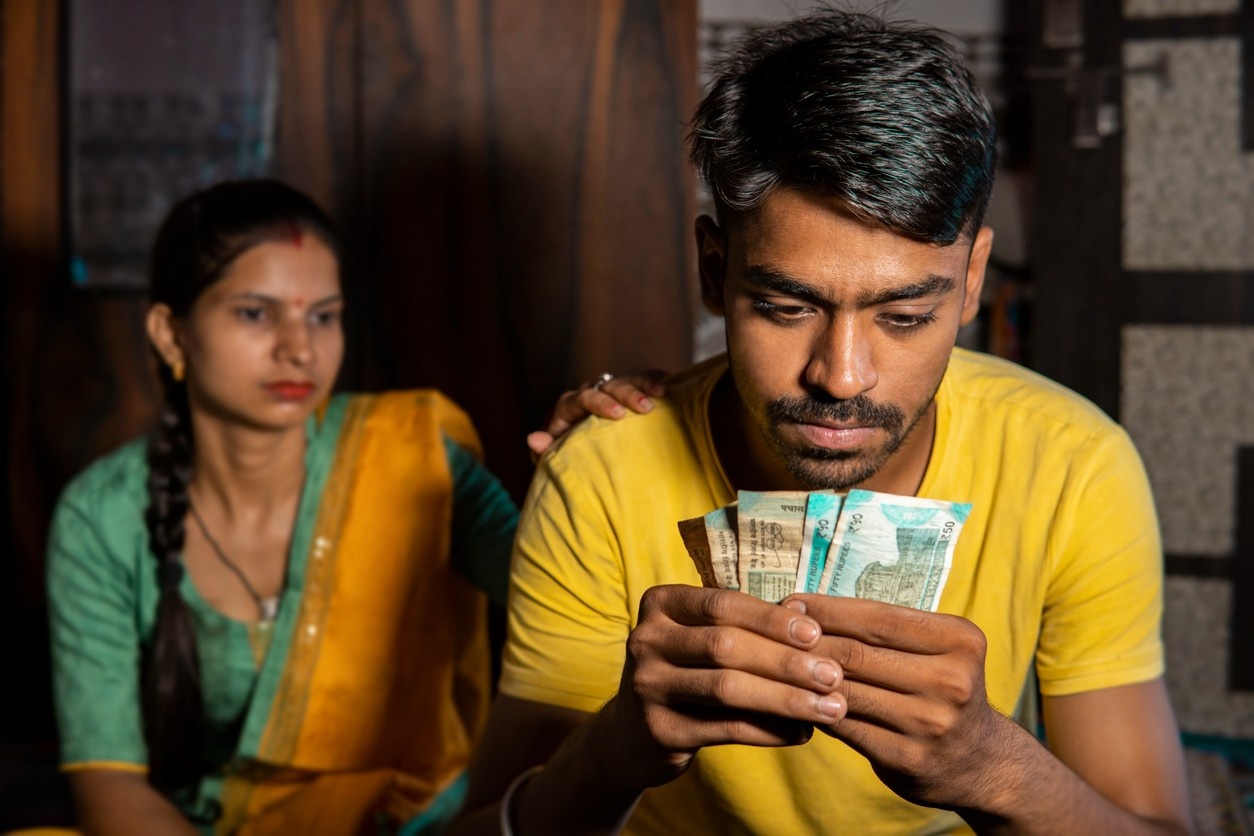
From Seoul to São Paulo, and in Indian cities and small towns alike, the story repeats itself. The hope of starting a family runs into the harsh realities of expensive housing, rising costs of childcare and education, and jobs that offer little security. Across the countries surveyed, money worries stand out as the major barrier: nearly four out of 10 people say financial pressure is the main reason they have fewer children than they want.
The UNFPA describes a global “fertility gap”, which is the difference between the number of children people hope to have and the number they actually have. Almost half of all pregnancies worldwide are unintended, and one in five adults cannot achieve their desired family size. This gap cannot be fixed through government orders or campaigns urging people to have more or fewer children.
South Korea, now home to the world’s lowest fertility rate, offers a stark warning. For many, having a child is no longer seen as difficult, but simply unaffordable. This is not a problem limited to rich countries. It is now shaping family life for working and middle-class families everywhere.
Global ‘infertility gap’
In fact, a close look at the data reveals a deeper problem. The UNFPA describes a global “fertility gap”, which is the difference between the number of children people hope to have and the number they actually have. And the figures are worrying. Almost half of all pregnancies worldwide are unintended, and one in five adults cannot achieve their desired family size. Importantly, this gap cannot be fixed through government orders or campaigns urging people to have more or fewer children.
Also read: Why Jane Austen’s theme of marriage is no longer central to the lives of Indian women
India’s past experience is a reminder of this, when coercive population policies violated rights and weakened trust in public healthcare. What the fertility gap really reflects, therefore, are deeper failures: unstable work, unequal access to healthcare, and long-standing gender inequalities.
The UN argues, rightly, that people must be free to make their own reproductive choices. However, for many, this freedom exists only on paper. Take infertility, which affects about one in six adults worldwide. Treatment is often emotionally draining and financially crippling, and in India, it remains largely outside affordable public healthcare.
At the same time, worries about the future weigh heavily. In Brazil, people point to political instability; in Morocco, to chronic health concerns. Across countries, nearly one in five respondents say fears about climate change or economic insecurity shape their decisions about having children. Parenthood is increasingly an act of hope in an uncertain world.
A complicated scenario
India’s fertility rate is now close to what demographers call the replacement level, a shift driven by real and positive change. Teenage pregnancies have fallen, more girls are staying in school, and many women are choosing to delay motherhood. This reflects growing autonomy and opportunity for women, and it should be welcomed. But delay also brings new risks.
Also read: Why the SIR’s launch in Bengal on filmmaker Ritwik Ghatak’s birth centenary is a profound irony
Without supportive workplaces, affordable childcare, and access to fertility care, many couples find that time runs out before they can have the family they had hoped for. Beneath all these choices lie persistent gender inequalities, often unseen but deeply powerful. Globally, only about half of women are able to make independent decisions about their sexual and reproductive health.
As India considers its demographic future, it must resist panic from any quarter. Past fears of a “population explosion” led to serious ethical harm. Today, new anxieties about falling birth rates and ageing populations are taking their place. Neither extreme helps.
In India, social expectations, family pressure, stigma, and the harsh reality of intimate partner violence continue to shape when, or whether, women become mothers. These forces quietly decide the terms of parenthood for millions.
Across every layer of this issue, one truth stands out: economic security matters most. Countries with weak social-safety nets consistently show the widest gap between desired and actual family size. This is why affordable childcare, paid parental leave, and flexible work are not luxuries.
They are basic supports that allow people to build stable lives.
Also read: Are Muslims outnumbering Hindus? Author SY Quraishi on Modi’s demographic mission
As India considers its demographic future, it must resist panic from any quarter. Past fears of a “population explosion” led to serious ethical harm. Today, new anxieties about falling birth rates and ageing populations are taking their place. Neither extreme helps.
Demography does not move by quick fixes. It unfolds slowly, shaped by fertility, migration, and public health together. Even the idea of a “replacement rate” is only a rough statistic; it cannot capture the complexity of human lives and aspirations.
The UNFPA’s message, in a nutshell, is simple and humane: societies thrive when people are supported to realise their own choices. This means building a whole ecosystem of care: comprehensive sexuality education, access to contraception and infertility treatment, quality maternal health services, safe abortion, and strong protection against gender-based violence.
Also read: India’s population to stabilise by 2080 due to dip in fertility rate: IASP
It also means including men, who face their own pressures and expectations around fatherhood. No doubt, India still stands at a promising demographic moment. To turn this into real wellbeing and not just favourable numbers, we must invest in economic security, gender equality, and an inclusive public healthcare system. Only then can people make decisions about family life, whether that includes children or not, with dignity, support, and true freedom.
(The Federal seeks to present views and opinions from all sides of the spectrum. The information, ideas or opinions in the articles are of the author and do not necessarily reflect the views of The Federal.)

Comments are closed.