
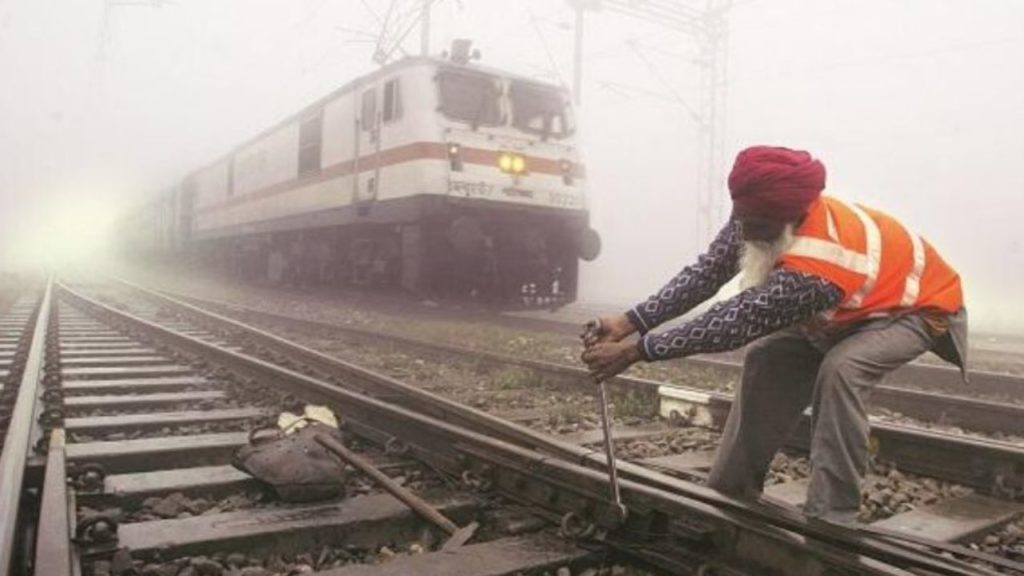

Indian Railways is embarking on one of its most ambitious rail infrastructure upgrades in recent years, with a plan to renew more than 7,900 km of track over the next two years. The initiative aims to strengthen the backbone of the nation’s transport network, enhance safety standards, and improve operational speeds for both passenger and freight trains nationwide.
Renewing Nearly 8,000 km of Tracks
Track renewal refers to the systematic replacement and strengthening of worn rails, sleepers, ballast, and associated components to restore and improve track quality. In the fiscal year 2024–25Indian Railways completed renewal work on around 6,851 km of track. Currently in 2025–26over 7,500 km of track renewal work is actively in progress. Building on this momentum, the railways have now set a target of 7,900 km of renewals for the next two years.
Why This Upgrade Matters
1. Enhanced Safety and Reliability
Track renewal directly improves the structural integrity of rail lines, reducing the risk of derailments and unscheduled speed restrictions. Upgraded tracks are essential for handling modern rolling stock and higher traffic loads safely.
2. Higher Speed Capabilities
Alongside these efforts, Indian Railways has nearly doubled its high-speed track coverage over the past decade—from about 31,445 km in 2014 to over 84,244 km—enabling more widespread operations at speeds above 110 km/h. This allows faster passenger services and shorter transit times for freight.
3. Smooth Train Movements at Junctions
The renewal programme also includes significant work on turnouts (switches)—crucial for safe and smooth rail movements at junctions, depots, and crossovers. Renewing these components further enhances operational efficiency and reduces delays.
4. Mechanised Maintenance Efforts
Indian Railways has expanded its mechanised maintenance fleet with over 1,100 track machines since 2014. These specialised machines accelerate renewal and ensure consistent quality, especially over long stretches of track.
Broader Impact on Passengers and Freight
Upgrading thousands of kilometres of track supports the broader goal of modernising the rail network to meet rising demand. Safer and stronger tracks mean fewer speed restrictions, fewer maintenance-related delays, and a smoother ride quality for passengers. For freight, this translates into higher throughput and more reliable logistics chains across regions.
Conclusion
Indian Railways’ track renewal initiative is a long-term investment in infrastructure quality, safety, and operational performance. By renewing nearly 8,000 km of track over the next two years and building on recent progress, the rail network is poised to deliver faster, safer, and more dependable services nationwide. The programme underscores the railways’ commitment to modernising India’s transport backbone amid growing travel and freight demands.

Comments are closed.